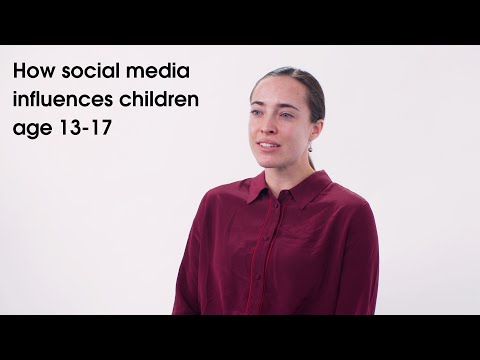
You know, social media is like this double-edged sword. It’s super fun to connect and share, but it can also mess with your head.
Think about it. You scroll through your feed and see everyone living their best lives. But, behind all those perfect pics? There’s a ton of pressure, stress, and sometimes downright anxiety.
For students today, it’s a whole different ballgame. They’re navigating classes, relationships, and future plans—while also juggling likes and comments. It’s wild! Seriously, the impact can be huge on how they feel about themselves.
So let’s chat about how social media plays into all of this. Like, what’s really going on with student mental health these days?
The Impact of Social Media on Mental Health: Understanding the Connection
Social media has become a huge part of our lives, especially for students. It connects us in ways we never thought possible, but it’s a double-edged sword when it comes to mental health. You see, while it can help us feel connected, it can also create pressures that really mess with our minds.
First off, let’s talk about comparison culture. When you’re scrolling through your feed, you can’t help but notice everyone’s highlight reels—like that perfect vacation and the flawless selfies. It’s easy to start feeling like your life doesn’t measure up. Remember a time when a friend posted about their amazing night out? You might have felt left out or even sad about what you didn’t have. That’s pretty common.
Then there’s the issue of cyberbullying. Unfortunately, social media platforms can be breeding grounds for negativity. For some students, this means facing nasty comments or getting excluded from groups online. I once heard a story about a girl who switched schools because the bullying she faced online followed her into real life. That kind of stress can really take a toll on someone’s mental well-being and self-esteem.
Another big factor is information overload. With so much content available all the time, staying informed can feel overwhelming. News cycles move fast; it seems like there’s always something tragic happening somewhere in the world. For students trying to balance schoolwork and personal lives, this constant stream of information can lead to anxiety and feeling burnt out.
But there are upsides too! Social media isn’t all bad. It can provide support networks for those who feel alone in their struggles—like joining groups focused on mental health or finding communities that share similar interests or challenges. I remember reading about a guy who found his tribe in an online group after dealing with depression; those connections made him feel less isolated.
Also important is how social media influences sleep patterns. Late-night scrolling is pretty common among teens and young adults. When students stay up too late checking notifications or scrolling through feeds, it messes with their sleep schedule, leading to fatigue during the day and affecting mood levels.
In short, social media has both negative and positive impacts on mental health for students. It connects people but also brings challenges like comparison anxiety and cyberbullying into play. It’s all about finding that balance—using social media wisely while taking care of your mental health at the same time.
That said, if you notice struggling with feelings related to social media use—maybe anxiety or sadness—it might be helpful to take breaks from platforms or talk it out with someone you trust. Seriously! Your mental well-being deserves attention just as much as those likes do!
5 Alarming Negative Effects of Social Media on Student Mental Health
Social media can be a double-edged sword for students. On one hand, it’s a way to connect and share experiences, but on the other, it can really mess with mental health. Here are some of the most concerning negative effects that social media can have on students.
- Comparison Culture: It’s all too easy to look at someone else’s perfectly curated life and think yours doesn’t measure up. You know? Students often feel like they’re in a constant competition for likes or followers. This can lead to feelings of inadequacy and low self-esteem. I mean, who hasn’t felt a twinge of envy scrolling through Instagram?
- Anxiety and Depression: There’s a strong link between heavy social media use and increased anxiety or depression among students. Seeing everyone else’s highlight reels while grappling with your own struggles can be overwhelming. A friend of mine mentioned how she felt anxious every time she opened her phone because she was comparing herself to others constantly.
- Cyberbullying: The anonymity of social media means people sometimes say hurtful things they wouldn’t say in person. This could be anything from nasty comments on a post to direct messages that cut deep. For many students, this contributes to feelings of isolation and can make them dread going online.
- Sleep Disruption: Staying up late scrolling through feeds is common among students. This habit messes with sleep cycles, which we know are crucial for mental well-being. Poor sleep leads to irritability, lack of concentration, and even more stress—basically a recipe for disaster.
- Addiction and Distraction: Social media can become addictive pretty quickly. Students may find it tough to focus on schoolwork or other responsibilities because they keep getting pulled back into their timelines or notifications. This constant distraction contributes not only to lower academic performance but also frustration about not living up to potential.
The thing is, while social media isn’t going anywhere any time soon, understanding these negative effects is so important for students today. It might help them manage their online presence better—maybe even take those well-deserved breaks now and then!
Exploring the Impact of Social Media on Student Athletes’ Mental Health
Social media can feel like a double-edged sword for student athletes. On one hand, it’s a way to share achievements and connect with fans, friends, and teammates. On the flip side, it can bring pressure and unrealistic expectations that really weigh heavy on mental health.
First off, the constant comparison is a huge issue. You scroll through Instagram or TikTok and it’s like everyone else has the perfect life—perfect body, perfect skills. It’s tough when you’re trying to balance school, sports, and everything else. Remember that one time your buddy posted about their amazing game-winning shot? It’s hard not to feel like you need to measure up.
Then there’s bullied on social media. This isn’t just kids being kids; it can get serious fast. Negative comments or outright bullying can lead to anxiety and depression. Think of how many students might shy away from social situations simply because they fear what people might say online.
Another point is pressure from coaches and schools. Sometimes, they expect athletes to maintain a strong social presence as part of their role—group videos, highlight reels—you name it! That’s more stress piled on top of practices and classes. Balancing all this while trying not to let grades slip is no easy feat.
Also, let’s not forget about oversharing. It can be tempting to share every little thing happening in your life for likes or follows. But sometimes, that leads to sharing too much personal stuff that could come back around later—and not in a good way. Privacy issues are real!
Lastly, we gotta talk about screen time. The hours spent scrolling through feeds instead of being in the moment—like at practice or hanging out with friends—can really take its toll on mental health too. More screen time often means less face-to-face connection with others.
So what can be done? Creating boundaries around social media usage could really help student athletes keep their focus where it belongs—on sports and their schoolwork while protecting their mental space too.
In the end, connecting with others through social media isn’t bad but finding that balance is key! It takes awareness of how these platforms affect feelings and self-worth—and that’s something worth paying attention to!
Social media, huh? It’s such a double-edged sword, especially when we talk about student mental health. I mean, on one hand, it’s this amazing platform where you can connect with friends, share your thoughts, and find support. But then on the other hand… it can really mess with your head.
Think back to school days or even now. You’re scrolling through Insta and see your friends posting their latest adventures or perfect selfies. It’s like everyone is living their best life while you’re just there in sweats, binge-watching yet another series. It can be tough not to compare yourself to those seemingly flawless lives online. It’s like this pressure to keep up or fit in, right?
I remember a friend of mine who went through a rough patch during college. She was always scrolling through social media and felt like she was missing out on everything. The more she saw others having fun without her, the worse she felt about herself. It’s almost as if social media created this invisible wall between her and her friends—paradoxically connecting yet alienating her at the same time. She ended up feeling more anxious and isolated because of it.
There’s also this whole issue of cyberbullying that really doesn’t help either—like when someone posts a snarky comment or shares something embarrassing about you online. That kind of stuff sticks with you, creating even more anxiety and stress for students who are already trying to navigate so much.
But it’s not all doom and gloom! Some students genuinely find solace online, joining communities where they can chat about mental health openly without judgment. There are spaces where they share tips for coping strategies or just lend an ear to each other when things get tough. You know? It turns into this supportive network that can make a world of difference when you’re feeling low.
So here we are—social media is both a lifeline and a landmine for students these days. Balancing the good with the bad is really key in navigating mental health challenges that come with it all. Just gotta remember that behind those perfectly curated feeds are real people dealing with their own stuff too!