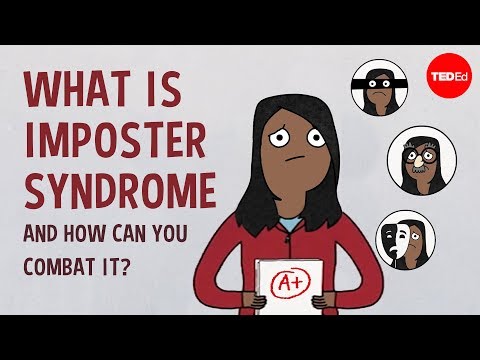
You know that feeling, right? Like you’re just pretending to be good at something, hoping no one catches on? Seriously, it’s like every time I nail a project or get a compliment, a little voice whispers, “You don’t deserve this.”
That’s imposter syndrome for you. It’s sneaky and can mess with your head big time. You might think you’re the only one dealing with it. But trust me, you’re not alone. So many folks wrestle with this.
Let’s unpack it together. What goes on in our minds? Why does it keep popping up? And more importantly, how do we kick its butt? Hang tight!
Understanding Imposter Syndrome: Psychological Insights and Real-Life Examples for Overcoming Self-Doubt
So, let’s chat about Imposter Syndrome, shall we? You know how sometimes you’re just going about your day, maybe you’ve nailed a project at work or aced a test, but instead of feeling proud, there’s this nagging voice telling you it was just luck or that you fooled everyone into thinking you’re capable? That’s basically what Imposter Syndrome is all about.
It’s this feeling of self-doubt and inadequacy despite evidence of success. You think others are going to find out that you’re just winging it. The thing is, it’s super common. In fact, studies show that up to 70% of people experience it at some point in their lives. Isn’t that wild? It can affect anyone—students, professionals, even celebrities!
**Some key points about Imposter Syndrome include:**
- Origins: Often linked to childhood experiences, like being praised for achievements instead of effort.
- Types: There are several kinds of imposter feelings—like the perfectionist who sets impossibly high standards and then feels inadequate when they don’t meet them.
- Triggers: New challenges or environments can intensify these feelings; starting a new job or entering college often brings them out.
- Consequences: This constant self-doubt can lead to anxiety and burnout if left unchecked.
I remember a friend who graduated top of her class in law school. Everyone was sure she’d ace her first job at a prestigious firm. But she felt like she didn’t belong there. Instead of celebrating her accomplishments, she thought she had tricked everyone into thinking she was smart enough for the role. It drove her to work harder than anyone else just to prove her worth.
Now let’s talk about how to deal with these pesky feelings:
- Acknowledge your feelings: Just recognizing that what you’re experiencing is common can be super comforting.
- Share your thoughts: Don’t be shy about discussing these feelings with trusted friends or mentors—they might have been through the same thing!
- Celebrate achievements: Take time to celebrate even the small wins; this helps build your confidence over time.
- Shift your mindset: Instead of thinking “I’m not good enough,” try reframing those thoughts into something more positive like “I’m learning and growing.”
So here’s the deal: Imposter Syndrome might feel heavy sometimes, but with some mental shifts and support from others, you can totally work through it. You’re not alone in this—it happens to more people than you’d think! Just remember that feeling like an imposter doesn’t mean you actually are one. That little voice in your head? Yeah, it can be silenced over time with some mindful practices and a bit of self-love!
Understanding Imposter Syndrome: A Psychological Perspective and Effective Strategies
Imposter Syndrome is one of those sneaky feelings that can creep into your mind and make you doubt yourself, even when you’re doing something well. You know how sometimes you lay in bed at night, thinking about all the mistakes you might’ve made during the day? That’s part of it. It’s that nagging idea that maybe you don’t deserve your achievements.
So, what exactly is Imposter Syndrome? Well, it’s basically a chronic feeling of self-doubt and insecurity. Many people experience it. And it doesn’t matter how successful they are—think of actors, scientists, or even your friend who just got a promotion. They might constantly feel like a fraud, as if they’ll be “found out” any moment now.
There are different types of Imposter Syndrome too. For example:
- The Perfectionist: This person sets super high standards for themselves and feels like failures if they don’t meet them.
- The Superhero: Always juggling tasks and responsibilities but feels inadequate unless they’re doing more than everyone else.
- The Natural Genius: Believes that things should come easily—you know, no struggle means no worth.
- The Soloist: Thinks asking for help is a sign of incompetence; they have to do everything on their own.
One time, I was chatting with my friend Sarah who just landed a big job in marketing. She kept saying things like, “I’m not really qualified,” or “Any smart person could’ve done this.” It hit me that even though she was super talented and had worked hard for it, she still felt unworthy.
The root cause often lays in various factors—like upbringing or societal expectations. If you were praised only for being smart as a kid, then it’s easy to connect self-worth with achievement. If failure wasn’t really an option growing up, then feeling like an imposter becomes second nature.
Now let’s talk strategies! Here’s what you can do to tackle this pesky syndrome:
- Acknowledge Your Feelings: Just naming what you’re feeling can sometimes lessen its power over you.
- Talk About It: Sharing your thoughts with friends or mentors helps normalize the experience. You’d be surprised how many people feel the same way!
- Focus on the Evidence: Keep track of your successes and positive feedback; remind yourself that these aren’t flukes.
- Shift Your Mindset: Instead of perfectionism, aim for progress. It’s okay to make mistakes—they mean you’re learning!
Each strategy takes time and practice; Rome wasn’t built in a day, right? Self-compassion is also key. So when those feelings creep back in—because trust me, they will—be gentle with yourself.
Ultimately, remember: experiencing Imposter Syndrome doesn’t mean you’re not good enough or skilled enough; it just means you’re human! Overcoming it might take some work but knowing it’s common can help lighten the load a bit.
Understanding Imposter Syndrome: Key Causes and Insights
Understanding Imposter Syndrome can be a bit of a ride, huh? You might feel like you’re fraud just waiting to be “found out.” It’s that nagging sense that you don’t really belong in your job, school, or even your group of friends. Crazy, right? But it’s super common, and a lot of folks deal with it.
First off, what causes this feeling? Well, there’s no one-size-fits-all answer. It’s often tied to things like perfectionism, past experiences, and even personality traits. A lot of times, perfectionists set these unrealistically high standards for themselves. When they don’t hit every single mark, they think they’ve failed—like they’re not good enough.
And then there are past experiences. Maybe you grew up in an environment where you were constantly compared to others or told that nothing less than excellence is acceptable. That kind of message can linger in the back of your mind and whisper doubts at the worst moments.
Another factor is societal pressure. You know how social media can make everything look like a highlight reel? It creates this illusion that everyone else has it all figured out while you’re just… well… stumbling along. This comparison game can really mess with your self-esteem.
Now let’s talk about the emotional rollercoaster. People with Imposter Syndrome often experience anxiety and self-doubt. You might find yourself second-guessing every decision or feeling overwhelmed by simple tasks because of this internal narrative saying you’re not good enough.
So why does it matter to confront these feelings? Well, when left unchecked, Imposter Syndrome can lead to burnout and even depression. Imagine feeling stressed all the time about whether you’re truly capable or worthy—it’s exhausting!
But hey! The good news is there are ways to tackle it head-on! Here are some insights:
- Acknowledge Your Feelings: Recognizing when you’re feeling like an imposter is the first step. You gotta own those feelings instead of brushing them aside.
- Share Your Thoughts: Talking about these feelings with someone—like friends or a therapist—can be super helpful. Sometimes just hearing someone say «Yeah, I feel that too» makes a difference.
- Challenge Negative Thoughts: When that inner critic pops up telling you you’re not qualified or you don’t belong, counter those thoughts with evidence from your achievements.
- Accept Mistakes: Everyone makes mistakes; it’s part of being human! Learning from them will help cultivate resilience over time.
Confronting Imposter Syndrome isn’t an overnight fix; it’s a process. Just take it one step at a time. Remember: feeling like an imposter doesn’t mean you *are* one! So keep pushing through those doubts—you’re doing better than you think!
Imposter syndrome, man, it’s that nagging feeling that you’re just faking it. Like you’ve somehow tricked everyone around you into thinking you’re competent or worthy of your achievements. You know? It can creep in when you least expect it. I remember a time when I landed this big job I’d been dreaming of for ages. Instead of celebrating, I sat there thinking, “What if they find out I have no clue what I’m doing?” It made me second-guess everything.
From a psychological perspective, imposter syndrome isn’t just about being modest or having low self-esteem. It’s this weird mix of perfectionism and fear of failure. You’re so focused on not messing up that it makes it hard to recognize your accomplishments as real achievements. The thing is, even high achievers can feel this way. It’s like a club nobody wants to join but is packed full of talented folks.
Now, why does this happen? Well, often it stems from childhood experiences or comparisons we make with others—like scrolling through social media and seeing everyone else looking picture-perfect while you’re just trying to figure out what to have for dinner! That constant comparison can mess with your head big time.
And then there’s the whole societal piece too. You might feel pressure to live up to certain expectations—like being the best at work or in social situations. When you perceive yourself as falling short, it’s easy to slip into that imposter mindset.
Over time, confronting these feelings is key. Openly talking about them helps break their power over us. Sharing those worries with friends or mentors can lighten the load—you might be shocked at how many people feel the same way! It’s all about replacing those negative thoughts with affirmations that remind you that you deserve your success.
So if you find yourself battling those impostor vibes, know you’re definitely not alone in this struggle. Just take a breath and remember: you’ve earned your place in whatever space you’re in, even if sometimes it feels like you’re playing dress-up in someone else’s shoes!