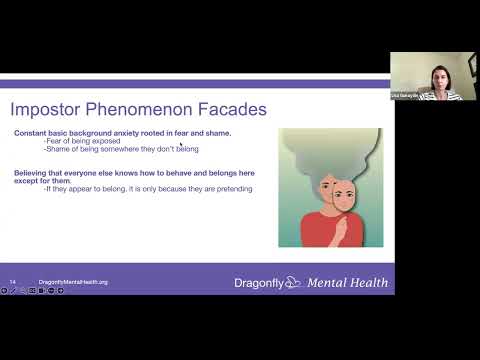
You know that feeling when you’re just waiting for someone to figure out you don’t really belong? Yeah, that’s the imposter phenomenon.
It’s like you’ve been invited to a party, but deep down, you’re convinced everyone’s gonna realize you’re not cool enough to be there.
So many of us feel this way at some point—whether it’s in school, work, or even social situations. It can totally mess with your head and drags your self-esteem down a few notches.
And honestly? It can feel pretty isolating. But you’re definitely not alone in this!
Let’s unpack what it is, why it happens, and how to kick those pesky thoughts to the curb once and for all.
Understanding the Imposter Phenomenon: A Comprehensive Guide to Mental Health
So, let’s chat about the **Imposter Phenomenon**. Seriously, it’s a big deal and touches so many people. Ever felt like you didn’t belong somewhere or that you’re just faking it? You know, like, “I’m not as good as everyone thinks I am”? That feeling has a name! It’s called the **Imposter Phenomenon** or **Imposter Syndrome**.
What happens is this sneaky little voice in your head makes you doubt your accomplishments. You might think, “I got lucky” or “They’ll find out I’m actually a fraud.” And let me tell ya, you’re not alone in this. Many high achievers struggle with these thoughts. It can get pretty heavy.
So, how does this work? Basically, people who experience this often feel:
- Fear of being exposed: The thought that others will realize you aren’t what they believe.
- Attributing success to luck: You might think your achievements happened by chance rather than because of your skills or hard work.
- Perfectionism: Setting impossibly high standards for yourself and feeling disappointed when you don’t meet them.
- Comparing yourself to others: Always looking at what others have achieved and feeling like you fall short.
One time, a friend of mine landed a job that everyone thought was perfect for her. But instead of celebrating, she stressed out every day thinking about how she’d mess it up. It was heartbreaking because her boss saw her potential while she only saw her flaws.
Now let’s dig deeper into the emotional side of things. Living with these feelings can lead to anxiety and depression—no joke! You might be thinking about all those missed opportunities because you’re too scared to put yourself out there. It’s exhausting!
Why do some people feel this way? While anyone can experience the imposter phenomenon, certain factors can make it more likely:
- Family background: Sometimes growing up in families that emphasize achievement can lead to constant pressure.
- Cultural expectations: Societal norms and values can impact how we view success and failure.
- The workplace vibe: Competitive environments where everyone seems super capable can amplify feelings of inadequacy.
So what do you do with these feelings? Well, first off, talking about it helps! Seriously! Sharing these thoughts with friends or teammates can lighten the load. Besides that:
- Acknowledge those feelings: Recognize when they pop up without judging yourself for having them.
- Cultivate self-compassion: Treat yourself like you would treat a friend who feels inadequate.
- Celebrate little wins: Keep track of accomplishments—no matter how small—and give yourself credit!
Remember my friend? Once she started sharing her doubts with close pals at work, she realized they had similar fears! They formed a support system and cheered each other on.
Sometimes working with someone professionally is helpful too. Therapists can provide tools and strategies to combat those nagging thoughts. They help reframe negative thinking patterns—kinda like hitting the reset button on your brain!
In short, the Imposter Phenomenon is real and affects tons of folks out there—even people who look super confident on the surface! Acknowledging it is the first step towards tackling it head-on. So next time that voice pops up telling you «you’re not good enough,” try giving it a little pushback instead!
Understanding Imposter Syndrome in First-Generation Individuals: Overcoming Self-Doubt and Embracing Success
Imposter Syndrome, especially in first-generation individuals, is a pretty significant issue. It’s that voice in your head that keeps saying, “You don’t belong here” or “You’re just faking it.” Sounds familiar? Many people, particularly those who are the first in their families to achieve certain milestones, face this overwhelming sense of self-doubt. It’s like carrying around a weight that gets heavier every time you accomplish something.
When you grow up without role models who’ve been through similar journeys, it’s easy to feel like you’re navigating uncharted waters. You might think that every achievement is just luck. You might even feel like a fraud among your peers, no matter how capable you actually are. This can really mess with your confidence and motivation.
First-gen individuals often face unique pressures. They want to succeed not just for themselves but for their families too. That pressure can amplify feelings of inadequacy when things get tough or when they compare themselves to others who seem more at ease in their environments. You know what I mean? It’s like being at a party where everyone else seems to know the dance moves while you’re still figuring out which foot goes where.
Here’s the kicker: self-doubt doesn’t mean you’re not talented or deserving. In fact, many high achievers struggle with Imposter Syndrome! Think about artists or scientists—plenty of them feel like they’re going to be “found out” any minute now, even after massive successes.
So, how do you tackle this beast? It starts with acknowledging it—this internal dialogue you’re having isn’t reality! You might want to try these strategies:
- Talk it out: Find someone you trust and share your feelings! Sometimes just voicing those thoughts helps take away their power.
- Reflect on accomplishments: Keep a journal of your achievements and positive feedback from others. When self-doubt creeps in, revisit that journal.
- Challenge negative thoughts: Instead of accepting “I don’t belong here,” reframe it as “I worked hard to get here.” Seriously, change that inner critic into an inner cheerleader!
- Seek support: Connecting with other first-gen individuals can create a sense of community where everyone understands the struggle.
- Counseling or therapy: Talking to a mental health professional can work wonders! They can help you unpack these feelings and develop tools to manage them effectively.
It’s totally okay to ask for help along the way—you don’t have to navigate this solo.
Remember that feeling like an imposter doesn’t take away from your achievements. It means you’re pushing boundaries and stepping out of your comfort zone! Embrace your successes because they’re yours; acknowledge the hard work behind them.
So next time those nagging doubts creep up on you, remind yourself: You’ve earned every bit of success coming your way.
Mastering Self-Doubt: How Assessment Processes Help Mature Students Overcome Imposter Syndrome
Self-doubt can hit hard, especially for mature students. You know? That nagging feeling that you’re not good enough or you’ve somehow deceived everyone about your abilities. It’s called imposter syndrome, and it’s more common than you think. So how do you tackle this beast? Well, assessment processes can really help you get a grip on it.
First off, assessments offer a structured way to evaluate where you are academically and emotionally. When mature students come back to school, they might feel out of place. They worry they won’t fit in with younger classmates. But assessments help level the playing field. They provide concrete data on your skills, which can bring some clarity to those swirling thoughts of self-doubt.
Think about it: receiving feedback on assignments or projects gives you that much-needed reassurance. It’s like when I was back in college and got my first “A” after struggling with a tough subject. That moment felt monumental! It reminded me that I *could* do this—these grades were proof, right? It’s vital to see these assessments not just as tests but as checkpoints on your journey.
Now, here’s where it gets interesting—assessments can also identify areas where improvement is needed. This doesn’t mean you’re failing; rather, it highlights opportunities for growth. Mature students often have life experiences that they might underestimate compared to academic knowledge. By focusing on both strengths and weaknesses, assessments help create a balanced view of your abilities.
And let’s not forget the social aspect of studying alongside others who may share your feelings of doubt! Group assessments or discussions often reveal that many people struggle with similar feelings. You might find yourself saying, “Wow, I thought I was the only one!” Just knowing that others feel like imposters too can be incredibly freeing.
Another key point is self-reflection. Assessment processes encourage this kind of thinking—not just about what you’ve done but how you’ve grown along the way. Some schools use reflective essays or journals for this purpose. In them, students evaluate their learning journey and confront their internal narratives about failure or inadequacy.
Also important are conversations with mentors or advisors who understand imposter syndrome well enough to guide you through it. They can provide perspective and help redefine what success looks like for you personally rather than through the lens of societal standards.
So here’s a summary of how assessment processes can aid in overcoming imposter syndrome:
- Structured evaluations show where you’re at academically.
- Feedback from assessments helps boost confidence.
- Identify growth opportunities, turning weaknesses into strengths.
- Group interactions enable shared experiences among students.
- Encourage self-reflection, which fosters personal growth.
- Mentorship provides guidance through individual struggles.
In essence, assessment processes are more than just tools for measuring performance; they’re actually key players in helping mature students combat self-doubt while navigating their academic paths. Each step forward counts—every little victory adds up! Just keep pushing forward; you’re capable of great things!
You know, the imposter phenomenon is a real tricky thing to unpack. It often creeps in when you least expect it, and it can hit at any moment—like that sinking feeling in your stomach when you’re standing in front of a big crowd or meeting new colleagues. You might think, “What if they find out I’m not as good as they think?” Sounds familiar, right?
So, there I was, chatting with a friend who just landed a pretty awesome job after months of searching. She should have been on cloud nine—so excited and proud. But instead? Instead, she was worried that she would mess things up and everyone would realize she wasn’t qualified for the role. It broke my heart because I could see how capable she really was.
What happens is this internal narrative starts looping in your mind, telling you you’re just lucky or that you don’t belong there. The thing is, even the most accomplished folks can feel this way. It doesn’t discriminate—you could be an award-winning writer or a brilliant scientist. It’s like wearing an invisible mask while going through life; people see what you want them to see but underneath? You’re terrified of being “found out.”
This phenomenon isn’t just about feeling out of place; it’s also tied up with anxiety and self-doubt. Sometimes it pushes people to work extra hard to prove themselves—but often at the cost of their mental health. They drive themselves crazy trying to achieve what they think others expect from them.
And let’s talk about stigma for a sec because that’s another layer to peel back here. Many people hesitate to seek help or share their feelings because they fear judgment—like admitting they’re struggling means they’ve failed somehow. So they keep wearing that mask and suffer alone.
But here’s the kicker: accepting these feelings doesn’t mean you’re weak; it means you’re human! Just recognizing that what you feel is common can lift so much weight off your shoulders. Maybe talking about it with friends or seeking therapy could shine some light on those dark corners where imposter feelings lurk.
Ultimately, it’s about finding balance—recognizing your successes without downplaying them and allowing yourself grace when those pesky doubts pop up again. Remember, everyone has those moments where they feel less than perfect; learning to embrace our flaws might just be one of the most empowering things we can do for our mental health.