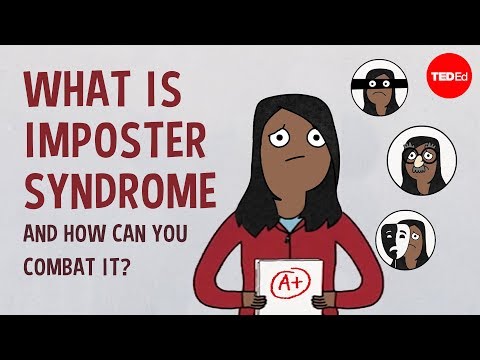
You ever feel like you’re just faking it? Like, deep down, you’re not as smart or talented as everyone thinks? Yeah, that’s what they call imposter syndrome.
It’s wild how many people deal with this feeling. You might be a straight-A student or crushing it at work. But inside, you’re thinking, “I’m going to be found out any second.”
Crazy, right? But it happens a lot more than you’d think. Let’s dive into what makes us feel this way and where it all comes from.
Understanding Imposter Syndrome: Is It a Psychological Disorder or Common Experience?
Imposter syndrome is like this sneaky little bug in your brain. It makes you feel like a fraud, even when you’re accomplishing some pretty amazing stuff. You know that feeling? You’ve been working hard, maybe got promoted, but deep down you think, “I don’t really deserve this.” That’s imposter syndrome in action.
Now, let’s break it down. Many people experience imposter syndrome at some point in their lives. It doesn’t mean you have a psychological disorder; it’s more of a common experience. But here’s the kicker—it can be linked to anxiety and depression for some folks.
So, what are the signs? Well, if you constantly feel like you’re going to be “found out” or think your achievements are just luck or timing, then yeah—those are big clues.
- Self-doubt: You might question your abilities consistently.
- Attributing success to external factors: Feeling lucky instead of recognizing your hard work.
- Fear of failure: You may avoid new opportunities because you’re scared of not measuring up.
- Perfectionism: Setting impossibly high standards for yourself can really amplify those feelings.
Some studies suggest that around **70%** of people will experience imposter syndrome at some point. That’s a huge number! Imagine being in a room full of talented people and realizing they might all feel the same way as you do—like they don’t belong.
Why does this happen? Well, there are lots of factors involved. Family background plays a role; kids who grow up with parents who have high expectations can internalize these pressures. Or it could come from workplace environments where competition runs high and recognition feels scarce.
But here’s an important thing to note: having imposter feelings doesn’t mean you aren’t capable or talented. Think about someone like Maya Angelou—she famously said she felt like an impostor despite being one of the most celebrated writers ever!
And while it can feel isolating, talking about these feelings really helps. Focusing on your accomplishments rather than dismissing them is key too! Keeping a journal might help track your successes and remind yourself of what you’ve achieved.
In short, while imposter syndrome isn’t officially classified as a psychological disorder, its effects can be very real and impactful on mental health. If these feelings start affecting your life significantly or causing distress, reaching out for support is totally okay—you deserve to feel good about what you’ve accomplished!
So, yeah—imposter syndrome is common but also something we should take seriously when it trips us up on our journey through life.
Understanding Imposter Syndrome: Key Causes and Factors Behind the Feeling of Fraudulence
So, let’s chat about Imposter Syndrome. It’s that nagging feeling, you know? Like you’ve somehow tricked everyone into thinking you’re smarter or more capable than you actually are. Seriously, a lot of folks feel this way. The thing is, it can pop up in anyone’s life—students, professionals, even high achievers.
To really get into it, let’s unpack some key causes and factors that contribute to this sense of fraudulence.
1. Family Expectations
A lot of times, Imposter Syndrome starts in childhood. If your parents had super high expectations or compared you to siblings or peers regularly, it might’ve set the stage for feeling inadequate later on. You might think, “I have to be perfect,” because that’s what you’ve always been told.
2. Personality Traits
Some people are just naturally more prone to feeling like imposters. If you’re a perfectionist or overly self-critical, chances are you might feel like a fraud more often than not. It’s like you’re constantly measuring yourself against impossible standards.
3. Social Pressures
In today’s world, with social media being everywhere, it’s hard not to feel like everyone else is crushing it while you’re barely keeping your head above water. Comparing yourself to others can trigger those feelings of inadequacy—especially when everyone seems so put together online.
4. New Challenges
Stepping into new roles or taking on different responsibilities at work can spark these feelings big time! When you’re faced with something unfamiliar—a promotion at work or starting a new program—you might worry about being found out as a “fake.”
5. Group Dynamics
If you’re in an environment where others seem more experienced or knowledgeable—like a competitive workplace—that can amplify feelings of being an imposter too. You could be wondering how you even got there; it’s like sitting at the grown-up table as the kid who brought their lunch in a cartoon character bag!
Let me share a quick story here: A good friend of mine landed her dream job after years of hard work and studying. But instead of celebrating, she spent her first few weeks convinced she’d be “found out” as unqualified any minute now! She couldn’t shake that fear until she learned that many colleagues felt the same way—it was honestly eye-opening for all of us once we talked about it.
6. Cultural Influences
Cultural background matters too! Some cultures emphasize humility over self-promotion and personal achievements can feel uncomfortable to celebrate openly. This cultural mindset can mix up your self-perception and foster feelings of inadequacy when success comes around.
Understanding these factors is key because recognizing the roots of these feelings can help alleviate them over time. It’s important to remember that just about everyone wrestles with this at some point—and talking about it actually helps.
So next time you catch yourself thinking you’re playing pretend in your life? Just remember: you’re not alone in feeling that way! Embracing your accomplishments—no matter how small they may seem—is part of breaking free from Imposter Syndrome’s tight grip.
Recognizing Imposter Syndrome: 10 Real-Life Examples and Insights
Imposter syndrome is that annoying feeling where you think, deep down, that you don’t deserve your successes. It messes with your mind, making you feel like a fraud. You might have graduated top of your class or nailed a big promotion, yet you still walk around thinking it was just luck. Seriously, it’s like having this little voice in your head whispering, “You’re just faking it.”
So what’s behind this? Well, its roots are tangled in psychology. Researchers say it often springs from a mix of personality traits and environmental factors. If you were raised in an environment where praise was scarce or expectations were sky-high, you might be more vulnerable to feeling like an imposter. And here are some real-life examples to consider.
- The Overachiever: You’ve always been the star student. But then you graduate and still doubt whether you got into college on merit or just luck.
- The New Job Jitters: Landing your dream job? Awesome! But now you’re panicking because everyone else seems so much more qualified.
- The Perfectionist: You spend hours on every project because if it’s not perfect, what does that say about you? A missed deadline feels like the end of the world.
- The Creative Type: Artists may often think they’re not “real” artists unless they’re recognized by others. If their work’s not exhibited or praised, they feel like imposters.
- The Parent Struggle: If you’re a new parent juggling responsibilities, it’s easy to feel overwhelmed and believe everyone else has it together while you’re just winging it.
- The Title Taker: You’ve recently been promoted or have taken on a new title but constantly second-guess yourself—“Do I really belong here?”
- The Group Project Dread: Working with others on collaborative tasks can trigger feelings of inadequacy when comparing yourself to peers.
- The Chronic Doubter: Even with constant praise from coworkers about your skills or accomplishments, there’s always that nagging thought: “What if they don’t mean it?”
- The Boundary Breaker: If you’re someone who takes on too much all the time—whether at work or socially—you might feel fraudulent when unable to manage everything perfectly.
- The Expert Who Isn’t: A seasoned professional who mentors others but still feels they aren’t knowledgeable enough can struggle with feelings of inadequacy.
When dealing with imposter syndrome, it can help to talk things out. Like my friend Sarah—a brilliant software engineer—felt completely unqualified despite her skills because she was one of only a few women in her field. She constantly questioned if she should be there until she started sharing her experiences with her peers. The support made her realize she wasn’t alone in feeling this way.
Understanding imposter syndrome is the first step towards confronting those doubts head-on. So remember: even the most accomplished people sometimes feel like they’re faking their way through life!
Imposter syndrome, man, it’s that nagging feeling that you’re somehow faking it. Like, you’ve got the job, the skills, and maybe even a bit of recognition, but deep down? You feel like a fraud. It’s wild how many people go through this. I remember chatting with a friend who had just landed her dream job. She was thrilled but also terrified. Every time she received a compliment or an acknowledgment from her boss, she’d brush it off and think they just hadn’t seen her mess-ups yet. It made me realize how common this is.
So what gives? Well, if we dig into the psychological roots, it often starts way back in our childhood or teen years. Maybe your parents had high expectations or praised achievements over effort. Or perhaps you were compared to your siblings—or your friends—and that just stuck with you. These experiences can create this weird pressure to succeed while also setting up a sort of internal critic that never shuts up.
Cognitive distortions play into this too. They’re basically thought patterns that lead to negative beliefs about ourselves—like “I only succeeded because I got lucky” or “If people knew me, they wouldn’t think I was special.” That kind of thinking can worm its way into everything you do and make you doubt your abilities every step of the way.
It’s also interesting to consider how societal factors contribute. For instance, women and people of color often face stereotypes in professional spaces which can amplify those feelings of being an imposter even more. Imagine working twice as hard just to feel like you still don’t fit in—that’s heavy stuff.
So here’s the deal: understanding imposter syndrome doesn’t magically make it disappear, but knowing where it comes from can help you tackle those feelings head-on. Acknowledging your achievements—no matter how small—and surrounding yourself with supportive people can make such a difference too.
It’s tough sometimes; we’re all human trying to figure things out without a manual. It helps to remember that feeling like an imposter doesn’t mean you are one!