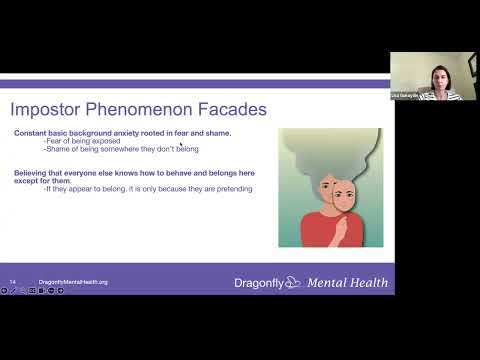
You know that feeling where you think, “I’m a fraud!”? Yeah, that’s imposter syndrome. It sneaks in, often when you least expect it.
Imagine nailing a presentation at work but still feeling like you just got lucky. Or going to therapy and thinking, “Who am I to talk about my problems?” It’s wild how our minds can play tricks on us.
Talking about mental health should feel freeing, but imposter syndrome can throw a wrench in the mix. It makes it hard to share or connect with others, right?
So let’s dig into this together. If you’ve ever felt this way, you’re not alone. Seriously.
Overcoming Imposter Syndrome: Strategies for Effective Mental Health Discussions
Imposter Syndrome can feel like a heavy weight on your shoulders. You know, that nagging feeling that you’re not as capable or intelligent as everyone thinks you are? It’s so common, especially in high-achieving folks. And when it comes to mental health discussions, it can really twist things up. You might feel like a fraud just for talking about your feelings!
So, how do you tackle this beast? Here are some strategies to help you have effective discussions around mental health while dealing with Imposter Syndrome.
Recognize Your Feelings
First off, it’s crucial to acknowledge what you’re feeling. Seriously, just naming it can take away some of its power. When those doubts creep in, remind yourself that they’re just thoughts—not facts! For instance, when I first started therapy, I felt like I didn’t belong. But once I put a name to my feelings—like «imposter»—the grip loosened.
Share the Experience
Another thing is talking about it with others. Most people experience these thoughts at some point. So open up! Maybe you can find someone who feels the same way and share your experiences together. If you hear someone say they feel unqualified at work or in their friendships too—it can be liberating. You’re not alone.
Focus on Your Achievements
Take time to reflect on what you’ve actually accomplished. This doesn’t mean doing a deep dive into every little success but looking at the bigger picture of your journey—like getting that degree or landing a job you worked hard for! Write those accomplishments down if it helps. Seeing them in black and white makes them real.
Practice Self-Compassion
Be kind to yourself; this is huge! You wouldn’t talk down to a friend who’s struggling with their self-worth, so don’t do it to yourself either. Treat yourself with the same kindness and understanding when those feelings creep back in.
Seek Professional Support
If it feels overwhelming and affects your daily life, don’t hesitate to reach out for pro help! Therapists often have great tools for dealing with Imposter Syndrome and can guide discussions about mental health in ways that make sense for you.
Challenge Negative Thoughts
When those pesky negative thoughts come knocking—like “I’m going to fail” or “They’ll find out I’m not good enough”—challenge them right back! Ask yourself if there’s real evidence behind those beliefs or if they’re just your brain playing tricks on you.
In the end, overcoming Imposter Syndrome involves both self-awareness and practice. It might not go away overnight—hey, nothing ever does—but each small step counts toward feeling more confident during those important conversations about mental health. It’s all about being true to who you are and finding strength in your story!
Overcoming Imposter Syndrome: A Guide to Honest Conversations in Mental Health Discussions
You know that feeling when you achieve something, but instead of feeling proud, you think, “I just got lucky?” That’s pretty much the essence of imposter syndrome. It’s that nagging belief that you’re a fraud, despite all evidence to the contrary. This can be totally draining. But the good news? You can definitely talk about it and work through it.
It often crops up in people who are high achievers. You might excel at your job or school and still wonder if others will figure out you don’t have it all together. This leads to fear of being “found out.” It’s a tough spot to be in because you’re navigating self-doubt while everyone else seems confident.
When discussing imposter syndrome in mental health settings, honest conversations can make a world of difference. Here are some ways to start:
- Be open about your feelings. It’s okay to share how you feel during therapy or support groups. Saying something like, “I often feel like I don’t deserve my success,” can resonate with others.
- Normalize the experience. Letting people know they’re not alone helps reduce stigma. Most folks have dealt with this at some point! A simple “Has anyone else felt this way?” can break the ice.
- Seek constructive feedback. Instead of shying away from validation, try inviting honest feedback from trusted friends or colleagues. For example, asking, “What do you think I did well on this project?” opens doors for supportive conversations.
- Communicate accomplishments. Track your wins! Regularly jot down what you’ve achieved—big or small—and don’t shy away from sharing them in discussions. Over time, it helps reshape your self-view from doubting yourself to owning your success.
But hey, let’s not sugarcoat things here. It takes guts to share these feelings. Remember a time when someone told you they felt like an imposter? Maybe they opened up in class or during a coffee chat at work? That vulnerability can really spark connection and understanding.
Sometimes even therapists may inadvertently brush over these feelings because they’re focusing on other issues. That’s why it’s crucial for clients to express these thoughts directly—like saying, “I really struggle with feeling good enough.”
It’s also helpful if you’re not just talking about imposter syndrome in isolation but placing it within the larger picture of your mental health journey—like discussing anxiety or depression too because they often accompany those pesky impostor vibes.
Opening up is a vital step towards breaking down those walls of self-doubt and shame. Remember: recognizing that you’re not perfect is part of being human! Everyone has their struggles; we all face our own battles behind closed doors even if we can’t see them.
In summary, overcoming imposter syndrome is possible through honest conversations and shared experiences in mental health discussions! Reaching out takes courage but could lead to less isolation and more support than you’d ever expect!
Overcoming Imposter Syndrome at Work: Effective Strategies for Confidence and Success
Imposter syndrome can feel like a sneaky little gremlin sitting on your shoulder, whispering lies about your abilities. You know the feeling, right? You might be at work, doing your best, but somehow you still think you don’t belong or that you’re just fooling everyone into believing you’re good at what you do. This self-doubt can really weigh you down and hold you back from reaching your full potential.
So, let’s break it down a bit. Overcoming imposter syndrome is totally possible with some practical strategies. Here are some ideas that might help you build that confidence and find success:
Recognize Your Feelings: The first step in confronting imposter syndrome is just acknowledging it exists. When those feelings of self-doubt creep in, try to take a step back and notice them without judgment. It’s okay to feel this way; many people do! Just remind yourself that these feelings don’t define your worth or skills.
Talk About It: Sounds simple, but sharing your thoughts with friends or coworkers can be game-changing. You might discover others have similar feelings; trust me, it helps to know you’re not alone in this battle! Plus, getting feedback from trusted peers can help shift your perspective about yourself.
Keep Track of Your Achievements: Seriously consider writing down your accomplishments—big or small—and revisit this list whenever those pesky doubts pop up. Remind yourself of all the times you’ve succeeded and how hard you’ve worked to get where you are today! Seeing it on paper makes it real.
Set Realistic Goals: Sometimes we set the bar way too high for ourselves. Break tasks into smaller steps so they feel more achievable. Celebrate each little win along the way! Baby steps count too!
Seek Feedback: Instead of waiting for someone to recognize your hard work, actively seek constructive feedback from colleagues or supervisors. It’s a great way of learning about what you’re doing well while also improving any areas that need tweaking.
Practice Self-Compassion: Be kind to yourself! Everyone makes mistakes; no one is perfect. When things go wrong, try treating yourself like you’d treat a friend—offer understanding instead of harsh criticism.
There was a time when I felt completely unqualified for my job despite being complimented by everyone around me. I kept thinking they were just being nice or didn’t really know how I struggled inside my head. But talking out loud with a trusted coworker made me realize that these thoughts were just noise—I wasn’t alone!
Overcoming imposter syndrome takes practice and patience but remember: it’s all part of being human—and nobody has everything figured out anyway! So don’t forget to give yourself grace as you navigate this journey toward confidence and success at work!
You know, imposter syndrome can hit really hard, especially when we’re talking about mental health. It’s that nagging feeling in the back of your mind, whispering that you’re just faking it or that you don’t belong in those deep discussions. I remember chatting with a friend who’s a therapist—it was super inspiring to hear about their journey. But right in the middle of our talk, they suddenly said, “I still feel like a fraud sometimes.” Can you believe that? Someone so skilled and compassionate feeling unsure of themselves? It kind of floored me.
So, like, how does imposter syndrome creep into mental health conversations? Well, society puts so much pressure on us to have it all together. We expect people in mental health roles to be these wise sages who never question themselves. But honestly? That’s just not realistic. We’re all human here. Just because you’re aware of mental health issues doesn’t mean you’ve got life figured out.
You might find yourself hesitating to share your thoughts for fear it won’t be valid enough or will come across as clueless. And let’s face it: no one wants to feel unqualified when discussing something as personal and complex as mental health.
But here’s the deal—admitting you’re unsure or even feel like an imposter can actually open up more honest conversations! It allows others to share their own struggles too. Like my friend, who felt overwhelmed by their own self-doubt; that moment turned into a powerful bonding experience for both of us.
So if you’re feeling this way—inadequate or not good enough—remember it’s perfectly normal to feel that way sometimes. Seriously! Embracing your vulnerability can lead to deeper connections and help break down those unrealistic expectations we put on ourselves and others in this tricky field of mental health.
Creating safe spaces where everyone feels heard is key. You might find strength and support by reaching out rather than staying quiet behind insecurities. Just think about it—you’ve got a voice that matters. Imposter syndrome may show up uninvited, but together we can tell it to take a hike!