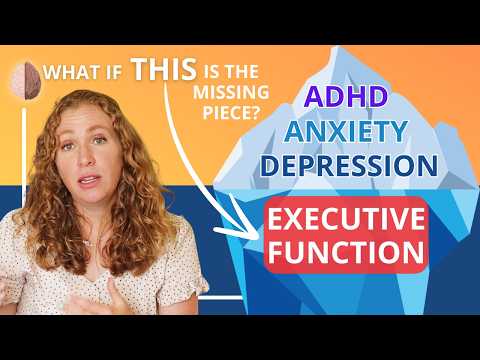
You know those days when your brain feels like it’s running on empty? You’re juggling tasks, but nothing seems to stick. Yeah, I’ve been there too.
Executive function is like the control center of your mind. It helps you plan, focus, and manage your time. When it’s working well, life flows a little smoother, right? But when it’s not, things can get messy fast.
So what if I told you that enhancing this part of your brain could seriously boost your mental wellbeing? Like, imagine feeling more organized and less overwhelmed. Sounds pretty sweet, huh?
Let’s chat about how to sharpen that executive function of yours. It could change the game for you!
Effective Executive Functioning Strategies for Adults: Downloadable PDF Guide
So, let’s chat about executive functioning. Basically, it’s all about how we plan, organize, and manage our time and tasks. Like, when you’re juggling work deadlines, family obligations, and trying to squeeze in some “me time,” that’s your executive function at play. And hey, sometimes it can feel like a circus act!
When you’re struggling with executive functioning, it can affect your mental well-being more than you might think. You know that feeling of being overwhelmed when everything feels scattered? Yep, that’s the struggle. Luckily, there are some effective strategies to help boost this skill set so you can take charge of your life a bit more easily.
Here are some practical strategies:
- Break tasks into smaller pieces: This is a biggie! Instead of saying “I need to clean the whole house,” try “I’ll start with the kitchen.” It makes things less daunting.
- Create a schedule: Putting together a daily or weekly planner can help keep you on track. Just writing things down makes them feel more manageable.
- Use timers: Setting a timer for 25 minutes (like Pomodoro Technique) can help you focus on one task without getting distracted. When the timer goes off, take a short break!
- Limit distractions: Try to minimize noise or clutter around you while working on important stuff. If music helps you focus—great! If not, maybe some quiet time is what you need.
- Practice self-care: Seriously. Resting and doing things that make you happy contributes to better mental well-being which boosts executive function.
And guess what? It doesn’t have to be perfect right away! Just starting small and figuring out what works for you is key.
Oh, speaking of which—remember that time when I decided I was going to conquer my entire closet in one day? Yeah… let’s just say that didn’t happen. I ended up stressed out with clothes everywhere and zero progress made! But then I learned to break it down: first getting rid of shoes I don’t wear anymore; next tackling shirts; eventually getting through all of it bit-by-bit felt way better.
Incorporating these strategies into your routine can seriously enhance not just your executive functioning but also lead to greater mental wellness overall. So the next time everything feels too much or totally outta whack, remember these tips! You got this!
Unlocking Potential: Understanding the 7 Key Executive Functions for Better Mental Health
Understanding executive functions is super important for our mental health and general well-being. These functions are like the brain’s management system, helping you organize, plan, and control your emotions. So, let’s break down these seven key executive functions.
1. Inhibition: This is all about self-control. It helps you stop yourself from doing things that aren’t helpful or appropriate in a given situation. Imagine you’re at a party and really want to say something snarky to someone who annoys you. Inhibition helps you hold back those comments so you don’t create drama.
2. Working Memory: Think of this like having a mental clipboard where you keep information handy for short periods. It’s essential for tasks like following directions or remembering a phone number long enough to dial it. Like when someone tells you their address while you’re driving—it’s working memory that helps you remember it without writing it down.
3. Cognitive Flexibility: This one’s great for adapting to change or looking at situations from different angles. Picture this: You’re all set to go out for ice cream, but then your friend suggests a movie instead. Cognitive flexibility allows you to easily switch plans without getting upset.
4. Planning: Planning is about setting goals and figuring out how to achieve them step by step. If you’re organizing a birthday party, planning helps you think through everything from what snacks to buy to when to send the invites out so people can come.
5. Task Initiation: This function means being able to start tasks without being prompted by others. It’s like when you’ve got homework due tomorrow but can’t seem to get off the couch! Task initiation helps push past that inertia and get going on what’s needed.
6. Monitoring: Monitoring is keeping track of how things are going while you’re doing them. If you’re working on an essay, monitoring lets you notice if your argument isn’t strong or if you’re straying off-topic so that you can fix it right away rather than at the end.
7. Emotional Regulation: This last one deals with keeping your emotions in check and responding appropriately in various situations; it’s important for maintaining relationships and handling stress effectively! When something goes wrong, emotional regulation is what allows you not to blow up or fall apart but instead respond calmly.
Each of these executive functions plays a crucial role in how we experience life emotionally and mentally—just think of them as tools in your toolbox! Improving these skills can definitely enhance your mental health and help you manage daily challenges more effectively.
So if you’ve been feeling overwhelmed or struggling with organization, maybe focusing on boosting just one or two of these areas could help lighten your load a bit!
Effective Strategies to Boost Executive Function Skills in Children
Improving executive function skills in kids is super important for their overall mental health and well-being. So, what are executive function skills? Well, they’re basically the mental processes that help us plan, focus attention, remember instructions, and juggle multiple tasks. Think of them as the brain’s air traffic controllers. To boost these skills in children, there are several effective strategies you can try.
1. Use Visual Schedules
Kids often thrive on routines. Visual schedules provide a clear picture of what they need to do throughout the day. You know, like drawing a simple chart with images or stickers that shows them the morning routine—get up, brush teeth, eat breakfast. This helps reduce anxiety about what’s coming next and keeps them focused.
2. Break Tasks into Small Steps
Big tasks can feel overwhelming—like trying to eat a giant cake all at once! Instead, break it down into bite-sized pieces. For example, if they have homework to do, tell them to start with just one question instead of tackling everything at once. It’s less daunting and gives them a sense of accomplishment as they finish each part.
3. Incorporate Play-Based Learning
Playing games that require strategy can significantly enhance executive function skills. Think about board games like chess or card games that require planning ahead and thinking critically. Even simple things like Simon Says can help improve focus and self-control while being fun!
4. Teach Mindfulness Techniques
Mindfulness isn’t just for adults; it can really help kids too! Simple breathing exercises or short meditation sessions can improve their ability to concentrate and regulate emotions. Maybe you could make it a daily thing—like a five-minute calm time before homework starts.
5. Encourage Self-Monitoring
Help kids become aware of their own progress! You could have them check off tasks as they finish or use a timer to see how long it takes for completing certain activities. This not only boosts their motivation but also helps them learn how to manage time better.
6. Model Problem-Solving Skills
Children learn so much by watching adults around them—you know? When faced with a challenge yourself, talk through your thought process out loud: “Okay, I need to find my keys; first I’ll check my bag.” This way, they’re picking up on how to approach problems effectively.
So there you have it! By using these approaches regularly at home or even in school settings, you’re likely going to see improvements in your child’s executive function skills over time—and that’ll totally benefit their mental well-being too! It’s like giving them tools for success in life; every little bit counts! Just remember: change doesn’t happen overnight; be patient and supportive along the way!
You know, executive function is kind of like the brain’s boss. Think about it—it’s what helps you plan stuff, manage time, and even control your impulses. When these skills are on point, you’re creating a smoother path for your daily life. But when they’re not working so well? Well, things can get a bit messy.
Imagine this: there’s someone I know named Jamie. Jamie always had a million thoughts racing around in their head but couldn’t seem to get them organized. You could find them making to-do lists that somehow wouldn’t make it off the fridge. It was like they were stuck in quicksand—so much potential but feeling really overwhelmed.
So, enhancing executive function can seriously change the game for mental wellbeing. When you work on these skills, you’re not just ticking boxes; you’re giving yourself tools to handle stress better and make clearer decisions without all that mental fog hanging around.
There are some pretty simple ways to get better at this stuff too. Things like practicing mindfulness or even just breaking tasks into smaller bits can help—like when you’re assembling furniture from those big stores. Instead of looking at the entire pile of parts and panicking, you tackle one piece at a time.
And don’t underestimate the power of routines! Having a set schedule can help manage your brain’s bandwidth, which is helpful because when our minds feel cluttered, it can lead to anxiety or feelings of being overwhelmed. It’s amazing how much difference a little structure can make.
In short, focusing on enhancing your executive functions isn’t just about being more productive; it’s also about nurturing your mental health. It creates space for calm and clarity amid life’s chaos—and let’s be real, we could all use more of that!