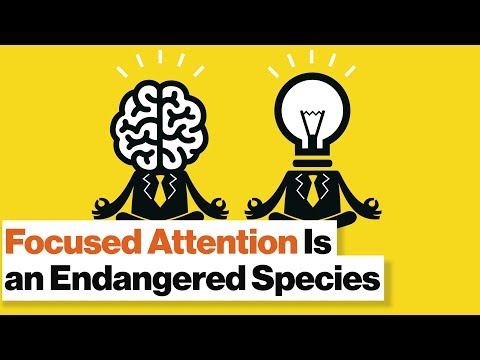
You know those days when your mind feels like a chaotic whirlwind? Yeah, I’ve been there too.
Like, one minute you’re juggling tasks and the next, you can’t remember where you put your keys. Seriously, it’s frustrating!
But what if I told you that focusing better isn’t just about willpower or caffeine? There’s this cool thing called mindfulness.
It’s like a secret weapon for your brain. You can actually train yourself to concentrate better while feeling more at ease.
So let’s chat about how mindfulness can boost your focus and support your mental health. It might just change the way you tackle your day. Sound good?
Boost Your Concentration: A Comprehensive Guide to Mindfulness and Mental Health [PDF Download]
Looking to boost your concentration? Mindfulness might just be your secret weapon. It’s all about being present—like really present, you know? Sometimes, our minds race with thoughts about the past or future, making it hard to focus on what’s in front of us. But practicing mindfulness can help calm that mental chaos.
So, what is mindfulness exactly? It’s like a mental workout. You train yourself to pay attention to the here and now without judgment. Kind of like tuning into your favorite song instead of worrying about the stuff you left undone or what’s coming up next in your life.
Here are some ways mindfulness can enhance your focus:
- Breathing Exercises: Simple yet effective. Just take a few minutes to breathe deeply. Feel the air fill your lungs. Let it out slowly. This helps ground you.
- Body Scans: Lie down comfortably and focus on each part of your body, starting from your toes up to your head. Notice any tension or sensations without trying to change them.
- Meditation: Even a few minutes a day can work wonders for clearing your mind and improving concentration.
- Mindful Walks: Take a stroll but really absorb what’s around you—sounds, smells, even how the ground feels underfoot.
You see, when you’re more mindful, it reduces stress and anxiety levels too! Think back to a time when you felt overwhelmed with tasks at work or school. That tightness in your chest? Mindfulness can help ease that feeling, allowing you to concentrate better.
Another thing worth noting is that mindfulness isn’t just for those zen moments; it connects deeply with mental health as well. When you’re present and aware, you’re less likely to fall into negative thought patterns which often distract us from focusing on tasks.
For example, let’s say you’re studying for an important exam but keep drifting off thinking about how stressed you feel about grades or future job prospects. It’s tough! Mindfulness teaches you how to catch those thoughts without getting swallowed up by them. Instead of spiraling down that rabbit hole, you can bring yourself back gently to the material at hand.
Also, don’t forget that taking breaks is essential too! It sounds counterintuitive—like why would I step away when I need to focus? But trust me here: a quick moment away can refresh your brain and boost productivity when you come back.
Mixing mindfulness with good old-fashioned self-care creates a powerful combo for mental clarity. Eating well and getting enough sleep have massive impacts on how well we focus too! I mean picture this: if you’re tired or hungover from junk food last night—your concentration is going down faster than you’d think!
So if you want to dive deeper into this topic—or pick up resources like PDFs related to “Boost Your Concentration: A Comprehensive Guide”—there are plenty out there waiting for you.
In short, boosting concentration through mindfulness isn’t just about sitting still; it’s an active practice that requires patience and consistency – but oh man, it’s totally worth it!
Boost Your Focus: The Power of Mindfulness in Mental Health and Well-Being
Mindfulness is one of those buzzwords you hear all the time these days, but there’s a real power behind it when it comes to boosting your focus and overall mental health. Basically, mindfulness is about being present and fully engaged in the moment. It’s about tuning into what’s happening right now instead of getting lost in thoughts about the past or future.
When you practice mindfulness, you’re training your brain to concentrate on what’s in front of you. This can really help with focus, especially when life gets chaotic. For instance, think about a time when you were super stressed—maybe juggling work deadlines and family stuff at once. Your mind was probably racing, right? That scattered feeling can make it so tough to concentrate on any one thing! Mindfulness pulls you back into the now, making it easier to tackle whatever’s on your plate.
By regularly practicing mindfulness techniques—like meditation or just taking a few deep breaths—you help your brain create new pathways for focusing better. Studies show that this kind of practice can actually change brain structures related to attention and emotion regulation. You know how some people say they just can’t focus? Well, this stuff works.
- Reduces stress: When you’re stressed out, it’s so hard to concentrate. Mindfulness helps calm that chaos inside your head.
- Improves attention span: You might notice you can focus longer without zoning out.
- Enhances emotional well-being: Being more aware of your feelings lets you handle them better instead of getting bogged down.
Have you noticed how sometimes just stepping back from a situation helps? Like when you’re knee-deep in confusion over a project at work and decide to take a walk outside instead? Stepping away for even a few minutes helps clear your mind.
One way some people practice mindfulness is through meditation—just sitting quietly and noticing their breath or letting thoughts float by like clouds in the sky. Doesn’t have to be complicated! Even five minutes can make a difference.
Also, consider mindful eating. Sounds funny? But really! Paying close attention to every bite can turn meal times into mini meditations that enhance focus on both food and other daily activities afterward.
Incorporating mindfulness into your day doesn’t take much effort either! Try setting aside a couple minutes each day—maybe while drinking coffee in the morning or before bed—to just be present with yourself.
So remember: mindfulness isn’t just some trendy thing—it’s practical. With all its benefits for mental health and focus, it’s worth giving it a shot if you’re feeling scattered or overwhelmed.
Boost Your Focus: Mindfulness Techniques and Mental Health Exercises for Improved Concentration
Hey, let’s talk about focus. Ever sit down to do something and find your mind wandering? Like, you’re staring at your screen or book, but your thoughts are all over the place? Totally relatable. That’s where mindfulness techniques and mental health exercises come into play. They can seriously help boost your concentration.
Mindfulness is all about being present, you know? It’s like hitting pause on all the noise in your head. When you practice mindfulness, you train your brain to focus on what’s happening right now—rather than what happened yesterday or what might happen tomorrow. So, how do we get there?
1. Breathing Exercises
Alright, so one of the simplest things you can do is focus on your breath. Really! Just take a few minutes to sit quietly and pay attention to how you breathe in and out. Notice the sensation of air entering your nose and filling up your lungs—it might sound a bit cliché, but it works. If your mind drifts off (and it will), gently bring it back to your breath without judgment.
2. Body Scan
Another great technique is the body scan. Lie down comfortably and start from the tips of your toes all the way up to the top of your head—or vice versa! Notice any tension or sensations as you go along. This helps ground you in reality while also fostering some serious self-awareness.
Think about it: when was the last time you really noticed how tension feels in specific body parts? For me, I used to hold stress in my shoulders without even realizing it until I did a body scan one evening.
3. Meditation
Meditation isn’t just sitting cross-legged chanting “ohm.” There are tons of ways to meditate that can work for you! Try setting a timer for 5 or 10 minutes where you concentrate solely on a word or phrase that brings you calmness—like “peace” or “focus.” Each time distractions pop up (and they will), acknowledge them but don’t dive deep into those thoughts; just let them float by like clouds.
4. Mindful Walking
Ever tried walking while being fully aware? It sounds easy, but it can be challenging! Take a walk in nature or around the block concentrating on each step—the feel of grass underfoot or pavement against sneakers—and observe everything around you without judgment: is there a cool bird singing? Or maybe someone’s dog is wagging its tail excitedly?
This exercise pulls together physical activity with mindfulness, which creates this sweet little combo that ramps up brain function.
5. Gratitude Journaling
This one might seem more emotional than focused, but hear me out: maintaining a gratitude journal helps clear mental clutter by forcing us to acknowledge what we appreciate each day—even if it’s tiny things like that fantastic cup of coffee you had this morning! It shifts our mindset away from distractions towards positive focus.
All these techniques are super simple yet powerfully effective at bringing back our attention span from outer space land back down to earth!
So next time you’re finding it tough to concentrate on work or studying for that test remember these exercises could lift some of that fog off your mind—and who knows? You might even discover something new about yourself along the way!
You know how sometimes your brain feels like a TV channel that just won’t settle on one show? That’s pretty much what happens when we try to focus. You might be working on something important, and suddenly you’re lost in a sea of thoughts about what you said yesterday or what you’ll have for dinner. It’s totally frustrating, right?
Mindfulness can really help with this. It’s like training your brain to be more present, kind of like tuning in that annoying channel until it clears up. When you practice mindfulness, you’re basically teaching yourself to pay attention to the here and now. This could mean taking a few moments to breathe deeply and notice how your body feels or even just focusing on the sounds around you.
I remember this one time I was stressing out about an upcoming presentation. My mind was racing with all the «what ifs.» A friend suggested I try mindfulness meditation. At first, I was skeptical—like, seriously? Just sitting there and breathing? But after a few days of giving it a whirl, I noticed a shift. My thoughts became less chaotic, and I could focus better when it mattered most.
So how does this tie into mental health? Well, when you’re regularly practicing mindfulness, you’re not just honing your ability to focus; you’re also giving your mental health a boost. It’s like hitting two birds with one stone! You start to manage stress better and feel more grounded overall.
But hey, it’s not always easy. There will be days when focusing feels impossible no matter how many deep breaths you take. That’s okay! The key is consistency—over time you’ll find that those moments of calm become more frequent in your life.
Incorporating mindfulness into daily routines is simple too! Even just taking five minutes during lunch to tune into your breath can clear some mental clutter away. You watch; over time it’ll make a difference in how you approach tasks.
All in all, enhancing your focus through mindfulness not only sharpens your mind but also nurtures your well-being—so it’s definitely worth trying out!