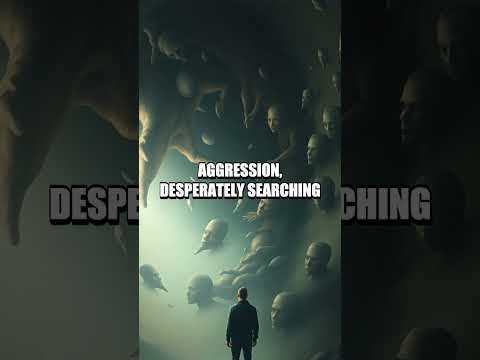
So, let’s chat about something that’s been on a lot of minds lately: paranoia. You know, that gnawing feeling where you start to suspect everyone around you is out to get you? Yeah, it can be pretty rough.
I’ve had my fair share of those moments. Like, one time I was convinced my neighbor was secretly watching me every time I stepped outside. Turns out they were just as clueless as I was!
But seriously, with everything going on in the world today, it’s not surprising that more people are feeling a bit… off. It’s like walking through a mental maze, right? You think you’re getting somewhere, then boom! Another twist and turn.
In this little journey together, we’ll unpack what increased paranoia looks like, why it happens, and how to find your way through that maze. You ready?
Breaking the Cycle of Paranoia: Effective Strategies for Mental Wellness
Breaking free from the grip of paranoia can feel like trying to escape a mental maze. It’s that nagging worry, you know? The feeling that people are out to get you or that maybe your thoughts aren’t safe. But don’t fret; there are effective strategies that can help you feel more grounded and secure. Let’s dive into some of these.
Understanding the Roots
First off, knowing where paranoia comes from is super important. This could stem from past traumas, anxiety disorders, or even substance use. Recognizing its origins helps you not take it personally when those wild thoughts come creeping in.
The Power of Mindfulness
Mindfulness is like having a superpower against paranoia. It encourages you to focus on the present moment instead of spiraling into “what ifs.” Try simple techniques like deep breathing or mindful observation—look around and describe your environment in detail to yourself. Seriously, focusing on what’s around you can pull you back from those overactive thoughts.
Cognitive Behavioral Therapy (CBT)
CBT is about challenging your negative thoughts and reframing them. When paranoia whispers lies, questioning those beliefs helps dial down the fear just a notch. A therapist can guide you through this process, but it’s possible to start on your own too! Ask yourself: “Is there any real evidence supporting this thought?”
Build Your Support Network
Talk about your feelings with trusted friends or family members. Sharing your experiences can lighten the emotional load and often helps bring fresh perspectives. You’d be surprised how just voicing those feelings out loud can make them seem less scary.
Avoid Isolation
Fighting paranoia often means facing fears head-on instead of hiding away. Isolation tends to amplify paranoid thoughts, making them feel more real than they actually are. So, try hanging out with others—even if it’s just texting a friend or joining an online group related to interests you enjoy.
Prioritize Self-Care
Regular exercise isn’t just great for your body; it boosts your mood too! Even something as simple as taking a walk in nature can clear your mind and relieve stress. Also, don’t forget to get enough sleep—those sleepless nights tend to fuel anxiety and paranoia.
Limit Exposure to Triggers
Recognize what stirs up your paranoid thoughts—certain news stories or toxic relationships might be culprits—and try limiting exposure where possible. Creating boundaries around what information you consume really does make a difference.
Seek Professional Help
Sometimes, we need an expert’s help to navigate our minds effectively. Professionals specialize in providing tools tailored for managing paranoia and other mental health challenges. There’s no shame in reaching out!
So yeah, breaking the cycle of paranoia takes time and patience—it doesn’t happen overnight—but every step counts! By using these strategies, you’re paving a way toward feeling more at ease within yourself and the world around you.
Understanding the Triggers of Sudden Extreme Paranoia: Causes and Insights
Paranoia can hit suddenly, and when it does, it can feel like a whirlwind of anxiety and fear. It’s that feeling where you’re overwhelmed by the idea that something is off or that someone is out to get you. So, what exactly triggers these moments of extreme paranoia? Let’s break it down together.
First off, stress plays a huge role. You know how when you’re under pressure—like finals week or a big presentation—you might start to feel more on edge? Well, in high-stress situations, your mind can run wild with worst-case scenarios. It’s not just in your head; your body reacts too.
Then there are substance use and withdrawal. Some folks turn to alcohol or drugs as a way to cope. But here’s the kicker: both can lead to paranoia. For instance, if someone stops using certain substances abruptly, they might experience intense feelings of paranoia as their brain struggles to find balance again.
Another factor is mental health conditions. People dealing with anxiety disorders or schizophrenia may be more prone to sudden paranoid thoughts. Imagine someone who’s already anxious; if they start hearing whispers from their mind saying something’s wrong, it can spiral pretty quickly.
Let’s not forget about environmental triggers. Your surroundings—think crowded places or even toxic relationships—can seriously ramp up feelings of distrust and fear. Like that time you were at a party feeling out of place, right? Everything feels magnified when you’re uncomfortable.
There’s also the impact of trauma. Past experiences—especially trauma related to safety or betrayal—can set off alarms in your brain. If something reminds you of an old wound, even if it’s just a smell or a sound, it could trigger those intense feelings again.
Lastly, we need to talk about sleep deprivation. Lack of sleep messes with our minds big time! You may have noticed after a few sleepless nights how everything seems overwhelming. Your ability to think clearly decreases and paranoia may creep in more easily.
To sum things up:
- Stress: Heightened pressure can lead minds down dark paths.
- Substance use: Both consumption and withdrawal can spark paranoia.
- Mental health conditions: Pre-existing issues can amplify paranoid thoughts.
- Environmental triggers: Uncomfortable settings intensify feelings of distrust.
- Troubling past experiences: Trauma can flare up unexpected fears.
- Lack of sleep: Sleep deprivation erodes clarity and fosters paranoia.
Recognizing these triggers is key! If you—or someone close—is experiencing sudden paranoia, understanding what’s going on is the first step toward getting through it smoother than before. Remember: you’re not alone in this maze; there are ways out!
Understanding the Five Types of Paranoia: A Comprehensive Guide to Mental Health Awareness
Paranoia can feel like you’re trapped in a mental maze, and it can really mess with your day-to-day life. You might be questioning everything—your friends, your coworkers, even perfect strangers. So, let’s break down the five types of paranoia so you can get a clearer picture of what’s happening.
1. Persecutory Paranoia
This is the classic form we often hear about. People feel like they’re being targeted unfairly—think about someone believing that others are plotting against them. Like, your friend who’s convinced their coworkers are gossiping behind their back. It can be exhausting just trying to explain to them that it’s not true.
2. Referential Paranoia
Here’s another one: you know when someone thinks that random events are specifically about them? Imagine watching TV and feeling like a news anchor is talking directly to you or that those lyrics in a song are meant for your life situation. It may sound silly, but for those who feel this way, it can be deeply unsettling.
3. Somatic Paranoia
With somatic paranoia, folks think something’s seriously wrong with their bodies but no medical evidence supports it. Picture someone who believes they have a rare disease after researching symptoms online and obsessing over every little ache or pain. This can lead to lots of needless worry and doctor visits.
4. Delusional Paranoia
This type is way more intense and involves fixed beliefs that don’t match reality at all—often called delusions of persecution or grandeur. You might have heard stories of people who believe they have special powers or that they’re being controlled by an outside force. This version can be tough because logic doesn’t seem to work here; no matter how much you try to convince someone otherwise, they remain firm in their beliefs.
5. Acute Transient Paranoia
Now, this isn’t permanent paranoia; it’s more like a temporary state brought on by intense stress or fatigue—maybe after a traumatic event or extreme emotional turbulence in life. Think about the times when everything feels overwhelming: work pressure builds up or relationship troubles explode outta nowhere, leading someone to momentarily doubt everyone’s intentions around them.
Managing any type of paranoia usually requires some form of mental health care—talk therapy often helps people process these feelings more clearly without judgment! And remember, if you’re feeling this way yourself or know someone who is struggling with paranoia, reaching out is key.
So yeah, understanding these types might just help you—or someone close to you—when navigating those tricky mental mazes of paranoia!
So, paranoia, huh? It’s one of those things that can sneak up on you like an unexpected shadow. You’re just going about your day, and suddenly, your mind starts spinning all these wild scenarios. You know, the kind where you think someone’s out to get you or that people are talking behind your back? It can feel like you’re trapped in a mental maze with no clear exit.
I remember a friend telling me about a time when she’d hear whispers in crowded places and immediately jump to conclusions. At first, it was kind of funny—like, “Did you really think they were talking about you?” But as time went on, it turned into this heavy weight she carried. She felt isolated and confused because the more she worried, the less she felt like she could trust her own thoughts.
Paranoia often erupts from heightened anxiety or past experiences that left us feeling vulnerable. Maybe it’s something from childhood—a betrayal or even just being naturally sensitive can kick this off. And what’s wild is that when you’re stuck in that mental labyrinth, everything feels real. Your heart races; your palms sweat; every little sign seems like evidence against you.
But here’s the thing: recognizing it is half the battle. When my friend started to realize her paranoia wasn’t rooted in actual reality but rather in her anxious mind playing tricks on her, things began to shift for her. Therapy helped too—talking through those feelings made them less overwhelming.
Just remember that if you’re feeling this way—or know someone who does—you’re definitely not alone in this maze. It’s all about finding ways to navigate through it without getting lost for too long! Don’t hesitate to reach out for support; sometimes a little help goes a long way in untangling those thoughts and finding peace again amidst the chaos.