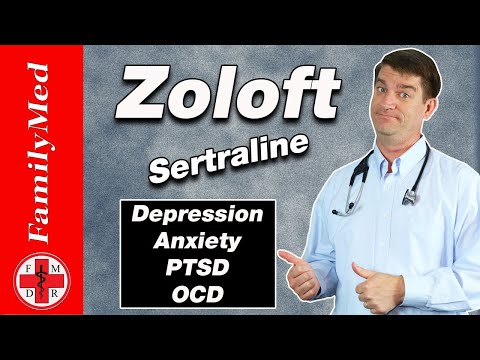
So, you’ve been thinking about bumping up your Zoloft dosage to 100? You’re not alone. Lots of folks find themselves in the same boat.
That little adjustment can make a big difference, you know? But, like with anything else, there might be some bumps on the road.
Seriously, side effects can sneak up on you when you’re not looking. It’s good to be aware of what could happen.
Let’s chat about what increasing your dose might really mean for you—because knowing is half the battle, right?
Understanding Side Effects of Doubling Sertraline Dosage from 50mg to 100mg
When you’re taking sertraline, which is also known as Zoloft, understanding the effects of changing your dosage is really important. If your doctor suggests upping your dose from 50mg to 100mg, there are some things you should keep in mind regarding potential side effects.
First off, side effects can be a bit of a mixed bag. Some people might feel just fine, while others could experience some uncomfortable changes. It’s like when you switch up your coffee order; sometimes it hits just right, and other times you’re left feeling jittery or off.
Here’s a rundown of some common side effects that might crop up when increasing the dosage:
- Nausea: It’s pretty common to feel queasy after a dose increase. This might happen because your body is adjusting to the higher level of medication.
- Fatigue: You may find yourself feeling more tired or sleepy than usual. It’s like those days when you hit snooze one too many times—your body just needs to catch up.
- Insomnia: On the flip side, some folks might have trouble sleeping. You could feel restless or find it hard to fall asleep even when you’re dead tired.
- Anxiety: Isn’t this ironic? You take sertraline to manage anxiety, and sometimes upping the dose can actually make you feel more anxious temporarily.
- Dizziness: A little lightheadedness can sneak in as well. It feels like standing up too fast after sitting down for too long; everything spins for a moment.
Now, these aren’t set in stone for everyone; everyone’s body reacts differently to medication changes. Oh, and don’t forget about worsening depression or thoughts of self-harm—if anything like that happens, it’s super important to talk to your doctor immediately.
You may also notice some physical symptoms like dry mouth or increased sweating. It’s kind of like when you’re nervous and you feel that lump in your throat—just an adjustment period for your system.
Also bear in mind that most side effects are temporary! Often they subside as your body gets used to the new dosage over time. So if things get rough initially, hang tight and give it some time.
But look: if any of these side effects become too much or persist beyond a couple weeks? Seriously reach out to your provider. They need to know what you’re experiencing so they can help adjust things accordingly.
It can be scary switching meds around or bumping up doses but keeping communication open with your healthcare team will definitely make navigating this easier. Take care of yourself!
Understanding Side Effects of Increased Sertraline Doses: What You Need to Know
When you’re on sertraline, also known as Zoloft, and the doc decides to bump up your dose—like to 100 mg—you might be wondering what comes next. Sure, this medication can be a lifesaver for anxiety and depression, but as with anything, adjusting the dosage can stir up a few effects you might want to keep an eye on.
First off, let’s talk about those common side effects that tend to pop up. You know how it goes: when you change up your dose, your body needs time to adjust. Here’s what you might notice:
- Gastrointestinal Issues: Nausea or upset stomach are pretty common when increasing sertraline. It can feel like a rollercoaster in there sometimes.
- Fatigue: Feeling unusually tired? You’re not alone. Some folks report feeling more drained after a dose increase.
- Insomnia: Paradoxically, while some feel sleepy, others can’t catch Zs. If you find yourself staring at the ceiling at 3 AM, that may be related.
- Anxiety Increase: Yep, it sounds ironic but some people feel more anxious right after upping their dosage. It’s like your brain is getting used to the new level.
- Sexual Side Effects: Many folks report changes in libido or difficulty achieving orgasm when taking this med; increasing the dose can sometimes intensify these issues.
Now let’s dig a little deeper into what might happen as you adjust to that new dose of sertraline. Not everyone experiences all of these side effects; it varies widely from person to person.
A quick anecdote: I once had a friend who was so hopeful about upping their sertraline dose because they thought it would help them feel better faster. But instead of feeling on top of the world, they felt super tired and mildly nauseous for weeks! They were unsure if they should stick with it or switch meds altogether.
While that’s just one story, it highlights how unpredictable these changes can be. If things get too rough or unbearable—the fatigue becomes overwhelming or the nausea doesn’t go away—you definitely need to reach out to your doctor.
It’s also worth mentioning some less common but serious side effects. While rare, here are a couple of biggies:
- Serotonin Syndrome: This is when there’s too much serotonin in your brain due to increased doses or interactions with other medications. It can lead to confusion, rapid heart rate, and extreme agitation—the kind of stuff requiring immediate medical attention.
- Mood Swings: Some people have noticed heightened emotional reactions—think irritability or sudden mood changes—after increasing their Zoloft dosage.
So yeah! If you’re thinking about changing how much sertraline you’re taking or already have and aren’t feeling great about it—talk to someone who knows! Adjusting medications is totally normal in the mental health journey; communication with your healthcare provider is essential.
In summary, while many people do experience improved moods as they adjust their medication doses (which is great), it’s important not just assume everything will go perfectly smooth right off the bat. Keep an eye out for those pesky side effects and don’t hesitate to check in with your doctor if something feels off—that’s seriously key!
Understanding the Side Effects of Increasing Zoloft Dosage from 25mg to 50mg
Increasing your Zoloft dosage from 25mg to 50mg can feel like a big step. So, let’s break this down. Zoloft, or sertraline, is an SSRI antidepressant often prescribed for conditions like depression and anxiety. When you adjust the dosage, there are a few things you might notice.
Common Side Effects
When increasing the dosage, some people experience side effects, even if they didn’t have any at a lower dose. Here are some of the typical ones:
- Nausea: You might feel a bit queasy. This usually goes away after a little while.
- Fatigue: Feeling tired? Yep, that can happen. It’s your body adjusting to the meds.
- Insomnia: On the flip side of fatigue, some folks might find it harder to sleep.
- Dizziness: Getting up too fast? You could feel lightheaded sometimes.
- Dry mouth: A common one! Sipping water can help ease that.
These effects aren’t fun, but they’re usually temporary as your body gets used to the new amount.
The Emotional Rollercoaster
On top of physical symptoms, emotional changes might pop up. Some people report feeling more anxious or moody when they first increase their dosage. It’s like your emotions are saying, «What’s going on? Why are we changing things?»
Here’s something personal: I once knew someone who switched dosages and felt really on edge for a week or so. She thought something was wrong until her doctor reassured her that these feelings are often normal during adjustments.
The Silver Lining
Now, don’t let those side effects scare you too much! For many people, increasing Zoloft leads to significant improvement in their mood and anxiety levels once their body adjusts. Sometimes it takes a bit of time—like a couple of weeks—for your system to settle down and for you to notice the benefits.
Caution is Key
It’s essential to keep in touch with your healthcare provider during this time. If side effects become overwhelming or don’t improve after a few weeks, reach out to them—seriously! They can help decide whether sticking with the new dose is best or if adjustments need to be made.
So there you have it! Increasing Zoloft from 25mg to 50mg comes with its set of potential bumps in the road but stick it out; better days could be just around the corner. Remember: always communicate with your healthcare team about what you’re experiencing—that way; you’re not flying solo through this adjustment period!
So, if you’re thinking about bumping up your Zoloft dosage to 100 mg, it’s important to wrap your head around what that could mean for you. I remember a friend of mine going through this. He was feeling really down and his doctor suggested a higher dose. He was hopeful but also nervous about the possible side effects.
First off, let’s talk side effects. You know how sometimes you hear people mention dizziness or headaches? Yeah, those are pretty common when starting or increasing meds like Zoloft. It can feel like you’re walking on a wobbly tightrope for a bit, which isn’t fun at all. And then there are things like nausea, fatigue, or even some weird dreams that can sneak up on you.
Another biggie is sexual side effects. That’s one of those topics that’s super awkward to bring up, but hey—it’s real! Some folks notice things like lower libido or difficulty with arousal when they up their dose. Seriously, it’s not something you’d want to overlook.
Also, keep an eye out for any changes in mood or anxiety levels after the increase. Sometimes when your body gets used to the higher dosage, you might feel more anxious or irritable before things settle down again. It can be confusing because you’re trying to feel better but experience these new quirks instead.
But here’s the thing: everybody reacts differently to medications—what works wonders for one person might not be the same deal for another. So if you find yourself feeling really off after that dosage bump, don’t just sit there in silence—talk to your doctor about it!
The most important takeaway? Keep tabs on how you’re feeling and don’t hesitate to reach out if anything feels off-kilter after that increase. You want that journey towards feeling better to stay as smooth as possible!