You know that moment when you feel so overwhelmed that you just can’t catch your breath? Yeah, we’ve all been there. Life throws us curveballs, and the stress can pile up like crazy.
But what if I told you there’s a simple way to find some calm? Seriously, it’s all about breathing. Not just any breathing, though. It’s rooted in Indian techniques that have been around for ages.
These methods aren’t just fancy words; they can seriously help you chill out and take control of your mental wellbeing. Curious yet? Let me share how these breathing practices can help bring some peace into your whirlwind life.
Top Pranayama Techniques for Enhancing Mental Health and Well-Being
Pranayama, with its roots in ancient Indian practices, refers to the control of breath. It’s fascinating how something so simple can have a huge impact on your mental health and overall well-being. You know, we often take breathing for granted. But when you actually focus on it, you might be surprised at how it can change your state of mind.
So what’s the deal? Pranayama techniques are all about controlling your inhalation and exhalation rhythms. This can help reduce stress, sharpen focus, and even improve emotional balance. And while there are various techniques out there, let’s highlight a few popular ones that could seriously help enhance your mental wellness.
- Ujjayi Breath: This method involves breathing in deeply through your nose while slightly constricting the throat. It creates a soft sound like ocean waves. Seriously calming! It helps promote relaxation and increase oxygen flow.
- Nadi Shodhana (Alternate Nostril Breathing): With this one, you alternately breathe through each nostril. It’s said to balance both sides of the brain. Imagine feeling centered after just a few minutes—kind of like hitting the reset button on your mood.
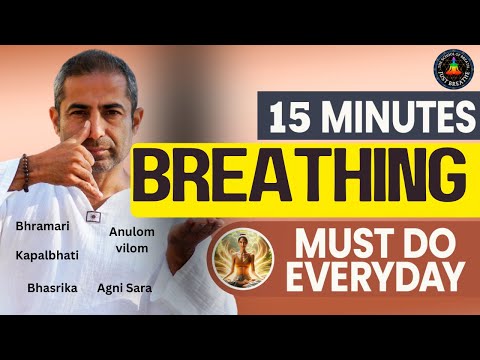
- Kapalabhati (Skull-Shining Breath): A little more intense, this involves short bursts of exhalation followed by passive inhalation. While it energizes you, some people find it clears mental fog too! You might even feel more awake afterward.
- Bhramari (Bee Breath): Ever tried humming while exhaling? That’s essentially Bhramari! The vibration is soothing and really helps settle racing thoughts. Think of it as a little melody for peace inside your head.
You know when life gets hectic? That feeling of being overwhelmed is pretty common—like juggling balls in the air but dropping them all at once! By practicing pranayama regularly, some folks find they can keep their cool better during those chaotic moments.
It’s also worth mentioning that these breathing exercises boost mindfulness too. When you’re paying attention to each breath, it pulls you right into the present moment. As if you’re saying “Hey!” to all those worries buzzing around in your head.
Remember though: anyone can do these techniques; they don’t require fancy equipment or studios. Just find a quiet spot where you won’t be interrupted for a bit and give them a go! Your mind just might thank you later.
Pranayama isn’t just an ancient practice; it’s like bringing a piece of tranquility into our fast-paced lives today. Seriously consider incorporating even just one technique into your daily routine—you may find that it’s not only good for your mental health but also works wonders for every other part of life too!
Understanding the 20-40-40 Method in Sudarshan Kriya: Benefits for Mental Health and Well-Being
Sudarshan Kriya is a unique breathing technique that’s become popular for its ability to improve mental health and overall well-being. One part of this practice is known as the 20-40-40 Method. It’s designed to help you manage stress, increase focus, and find your center. So, what’s all the fuss about? Let’s break it down.
The 20-40-40 Method consists of three distinct phases of breathing:
- 20 minutes: This phase focuses on gentle rhythmic breathing. It helps you relax your mind and body. Think of it like prepping for a workout—you’re getting in the zone.
- 40 minutes: Here, the breathing becomes more intense and may vary in pace. This part can really energize you—it’s like giving your brain a good splash of cold water after a long nap.
- 40 minutes: Finally, this phase returns to calmer breathing again. It’s about grounding yourself after the intensity. Imagine floating down from a thrilling rollercoaster back to solid ground.
But why should you consider giving this method a shot? Well, research shows that breathing techniques like Sudarshan Kriya can significantly reduce anxiety and depressive symptoms. You’re teaching your nervous system to respond differently to stress—pretty cool, huh?
One study found that people practicing these techniques experienced lower levels of cortisol, which is often called the stress hormone. Less cortisol basically means feeling calmer in everyday life. You know those days where everything seems overwhelming? Techniques like these can really help!
Plus, the rhythm of your breath during these exercises has been linked to improved focus and clarity of thought. When you bring awareness to how you’re breathing, it can act as a reset button for your mind—kind of like refreshing a webpage when it’s acting slow.
And let’s not forget about the emotional benefits! Breathing practices can create space for positive feelings by reducing negative thoughts and distractions. It allows you to connect with yourself on a deeper level—like having an honest heart-to-heart chat with yourself.
Many people have shared their experiences after using these techniques: some felt an overwhelming sense of peace right away; others noticed changes over time in their mood swings or levels of irritability. It really underscores how personal mental health journeys are!
Incorporating the 20-40-40 Method into your daily routine doesn’t require fancy equipment or expert guidance—just find a quiet spot where you feel comfortable sitting or lying down.
Look, we all experience stress differently—some might feel tightness in their chest when anxious; some might get headaches—everyone’s got their thing! But what happens with consistent practice is truly magical; it can transform how you handle life’s ups and downs.
So if you’re looking for an approachable way to enhance mental wellness through breathwork, Sudarshan Kriya’s 20-40-40 Method could be worth exploring! Your mind will thank you later.
Unlock Mental Wellbeing: Explore Indian Breathing Techniques on YouTube
Breathing techniques have been a part of Indian traditions for centuries. You might have heard of yoga and meditation as ways to find peace, right? Well, breathing is at their core. These techniques can help you calm your mind and improve your mental wellbeing. Let’s break it down a bit.
First off, what exactly are these breathing techniques? They’re usually referred to as *pranayama*. This Sanskrit word means “control of breath.” It’s all about using your breath to manage your energy and emotional state. You see, breath is super powerful. When you’re feeling anxious or stressed, the way you breathe changes. Deep and slow breaths can actually help bring those feelings down a notch.
You might want to check out some tutorials on platforms like YouTube. They’ve got tons of videos that guide you through various styles of pranayama:
- Ujjayi Breath: This technique involves breathing deeply while slightly constricting the throat muscles. It creates a soothing sound that can really help center your focus.
- Nadi Shodhana: Also known as alternate nostril breathing, this one’s great for balancing energy in the body. It might feel tricky at first but give it a shot; it’s worth it!
- Kapalabhati: This one’s more dynamic! It’s rapid breath exhalations followed by passive inhalations. It energizes you and can boost your mood.
Now, why should you even care about this? Well, think about a time when you felt overwhelmed or scattered—maybe during finals week or when dealing with relationship drama. In those moments, getting grounded with controlled breathing helps clear the mind.
A friend of mine once told me how she was struggling with anxiety before job interviews. Someone recommended she try deep breathing exercises from YouTube before going in to meet potential employers. She said it changed her whole vibe! Instead of feeling like her heart was racing out of her chest, she felt calm and collected—like she had control over the situation.
Basically, incorporating Indian breathing techniques into your routine doesn’t have to be complicated. Just carve out a few minutes each day to practice them online—it could seriously boost your mood and mental clarity.
And look, if you’re diving into this world through YouTube or somewhere else, don’t stress if you don’t get it perfectly on the first try! Take your time with these exercises; what matters is that they resonate with you personally.
So next time you’re feeling overwhelmed or just want to clear some mental clutter, consider giving these techniques a go—you might just unlock some hidden wellness within yourself!
So, let’s talk about Indian breathing techniques. I mean, have you ever thought about how something as simple as your breath can really change your mental game? It’s wild. Like, there I was, sitting in a coffee shop, feeling the weight of the world on my shoulders. My friend suggested trying some breathing exercises she’d picked up during her yoga classes. At first, I was like, «Really? Breathing? What’s that gonna do?» But hey, I figured it couldn’t hurt to try.
Now, there’s a lot of stuff out there about breathwork—especially when it comes from India with its rich history of yoga and meditation. These techniques aren’t just fancy words; they actually help you tap into this calming space within yourself. Take something like pranayama, for instance. It’s not just about inhaling and exhaling; it’s more like controlling your energy through your breath. When you focus on how you breathe—slow and deep—it can seriously dial down anxiety and stress.
Remember that moment when you accidentally took a deep breath after holding it for too long? You know that instant relief? That’s kinda what these techniques aim for—relief from the chaos swirling around in our minds. Whenever I feel overwhelmed or anxious, just spending five minutes focusing on my breath makes a world of difference. It’s like giving my brain a mini-vacation!
But let me be real for a sec: it can be tough to get started. It takes practice to really feel connected to your breath and quiet the mind chatter that’s always happening. Some days are easy; others make me want to sit there thinking about everything except what I’m supposed to be doing!
Still, the beauty is in its simplicity. You don’t need fancy equipment or even a specific place to do it; just sit down anywhere and start paying attention to the way you breathe. And if you add some visualization or mantra along with it? Well, that’s just icing on the cake!
In the end, harnessing these Indian breathing techniques isn’t some mystical trick—it’s actually turning inward and finding your own rhythm amid life’s chaos. Once I realized this wasn’t just breathing but a path towards better mental well-being, it changed everything for me. So go ahead — take a deep breath in… hold… now let that tension go with your exhale! Feels kind of nice, doesn’t it?