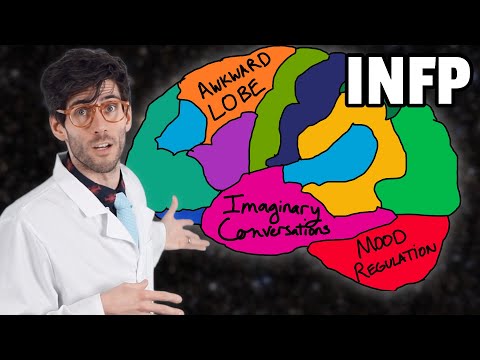
You know those moments when you just feel overwhelmed by everything? Yeah, me too. It’s like the world is crashing down, and you’re standing there trying to catch your breath.
Well, if you’re an INFP, you might relate to that big time. INFPs are this unique mix of dreamers and introverts. They feel deeply, care a lot, and often find themselves lost in their thoughts.
But here’s the kicker: understanding that inner landscape can really help with your mental health. Seriously! It’s like shining a light on those shadowy corners of your mind.
So, let’s dive in! We’ll explore what being an INFP means for your mental well-being and how it can lead to healing and growth. You’re not alone in this journey; let’s figure it out together!
Understanding the Common Mental Health Challenges Faced by INFP Personalities
INFPs, those dreamy idealists, often face unique mental health challenges. They’re deeply sensitive and intuitive, which can lead to a world of emotional ups and downs. Let’s break down some common struggles that come with being an INFP.
Overthinking Everything
You know that feeling when your mind won’t stop racing? That’s classic INFP territory. They tend to mull over their emotions and experiences, sometimes getting stuck in a loop of analysis. This can lead to anxiety or just feeling overwhelmed by life’s little details.
Emotional Intensity
INFPs feel things on a deep level. Joy, sadness, anger—you name it, they feel it intensely. And while that makes for passionate living, it can also mean they experience mood swings or even depressive episodes. Picture this: you’re watching a movie that hits too close to home, and suddenly you’re in tears for hours.
Difficulty with Boundaries
Setting boundaries isn’t always easy for INFPs. They care deeply about others and may prioritize their friends’ needs over their own. This can lead to burnout or feelings of resentment when they realize they’ve given too much without receiving anything in return. It’s like pouring from an empty cup—you really can’t keep giving without taking care of yourself first.
Feeling Misunderstood
Sometimes INFPs feel out of sync with the world around them. Their idealistic views might clash with more practical attitudes from family or friends. This feeling of being misunderstood can result in loneliness and frustration—like shouting into a void at times.
Avoidance Strategies
When faced with problems—big or small—INFPs might dodge confrontation like the plague! Instead of addressing issues head-on, they could retreat into their inner worlds or bury themselves in stories and daydreams as a coping mechanism. This is comforting but doesn’t help deal with real-life situations.
The Search for Purpose
INFPs often yearn for meaning in everything they do. That drive is fantastic but can also create anxiety about finding their “true path.” If they feel stuck or lost, it could spiral into feelings of inadequacy or dissatisfaction.
So there you have it! Understanding these challenges is crucial for anyone who identifies as an INFP (or knows one). Awareness is key to navigating the emotional rollercoaster that comes with this personality type, making it easier to find strategies that work best for you—or helping your loved ones do the same!
Identifying the Red Flags of INFP Personality Types: Key Signs to Watch For
So, let’s chat about the INFP personality type, which is one of those dreamy types in the Myers-Briggs thing. You know, the “Mediator” or “Idealist” vibes? They’re deep thinkers and feelers, often caught up in their own world. But like anyone else, they have their quirks—some are pretty obvious red flags that can show up in different situations.
Here’s what to watch out for:
- Overwhelming Sensitivity: INFPs can be super sensitive, sometimes taking criticism way too personally. If they seem to withdraw after a simple comment, that might be a sign.
- Avoidance of Conflict: They often avoid disagreements to keep peace. If you notice them dodging tough conversations or just going silent during arguments, that’s a red flag.
- Emotional Turmoil: Sometimes they feel deeply but don’t always know how to express it. This can lead to sudden mood swings—one minute they’re fine; the next they’re really down.
- Burnout from Idealism: Their desire for perfection and ideal situations can be exhausting. Watch for signs of burnout when they’re overwhelmed by their own lofty expectations.
- Struggle with Reality: Since they live in their heads a lot, they might have trouble dealing with real-world issues. If you see them kind of zoning out during serious conversations about practical things—that’s worth noting.
- Lack of Boundaries: INFPs often want to help others but can end up giving too much of themselves away. If you notice them feeling drained after spending time helping someone out—it could signal trouble.
You see, being an INFP isn’t all sunshine and rainbows. Sure, they’ve got this beautiful creative side that most people admire—but there’s also this need for self-care and balance that can’t be ignored. Like my friend Lucy once said: “I’m not just an artist; I need to find ways to keep my heart from breaking all the time.” Her journey was like riding a rollercoaster because she was figuring out how to manage those intense feelings while still creating art she loved.
If you’re close with an INFP friend or family member and see these signs often, it might help to gently check in on them. Sometimes just having someone genuinely listen can make a huge difference. And remember—it’s all about compassion and understanding when it comes down to supporting those dreamy souls!
The key thing is: recognizing these red flags helps foster better understanding within relationships. Because let’s face it—we all want our friend who feels deeply and dreams big to also take care of their mental health along the way!
Unveiling the Hidden Talent of INFPs: Understanding Their Unique Strengths and Abilities
Being an INFP, it’s like you’re carrying around a treasure chest of unique talents and strengths. Seriously, it’s not just some personality type on a test; it’s about understanding who you are at your core. You know that dreamy, introspective vibe you have? That’s where the magic really happens.
Creative Problem-Solving
One of the standout strengths of INFPs is their ability to think outside the box. You see things differently, which is a massive asset when tackling challenges. For example, while others might stick to conventional methods, you can come up with innovative solutions that surprise even yourself. It’s like having an artist’s mind in a world filled with strict blueprints.
Empathy and Compassion
INFPs are naturally empathetic. You can sense other people’s feelings almost intuitively, which makes you an incredible friend or confidant. Think back to that time when a friend was feeling down, and somehow you just knew what to say or how to help. It’s like you have this inner radar for emotions—it connects people in ways that are both profound and comforting.
Strong Values
You live by a personal code—your values guide your actions and decisions. This strong sense of purpose can inspire others around you. When you’re passionate about something—maybe social justice or art—you dive in wholeheartedly. It’s what gives your life meaning and drives your creativity.
Diverse Perspectives
INFPs often thrive in environments where different ideas collide. Your ability to understand various viewpoints allows for richer discussions and deeper connections. You can appreciate beauty in diversity, whether it’s through books, movies, or conversation with others from different backgrounds.
Courageous Authenticity
Even though it might be tough at times, being authentic is super important for INFPs. You’re not afraid to be true to yourself—even if that means going against the grain or facing judgment from others. This authenticity draws people toward you; they see someone brave enough to be real in a world full of facades.
However, there are challenges too—like feeling overwhelmed by emotions or being sensitive to criticism—but these experiences shape your resilience too! Learning how to manage these emotional waves can empower you even more.
It’s really all about embracing what makes being an INFP special: creativity, empathy, values-driven passion—all wrapped up in the need for connection with both the world around you and within yourself! Recognizing these traits not only helps improve mental health awareness but also encourages personal growth—and that’s pretty powerful stuff!
If you’ve ever taken a personality test, you might be familiar with the INFP type. You know, the idealistic dreamers? They’re all about values and deep emotions, often nurturing their own unique view of the world. This personality type is part of the Myers-Briggs Type Indicator and is often labeled as «The Mediator.» Seriously, it’s like they have this inner compass pointing toward authenticity and compassion.
So what does this mean for mental health? Well, INFPs tend to be sensitive souls. They feel things deeply—like really deeply. It’s not unusual for them to get caught up in their thoughts or emotions, which can sometimes lead to anxiety or depression. I remember a friend of mine who was an INFP. She could get lost in her head for days over a single disagreement with a friend or family member. It would weigh on her more than most people might realize.
These intense feelings can create an emotional rollercoaster that’s tough to manage. The thing is, when INFPs are aware of how they process emotions, it can lead them towards healthier coping strategies. Mindfulness practices can help them ground themselves in reality without getting overwhelmed by those swirling feelings.
Another point worth mentioning is how INFPs often feel misunderstood in a world that doesn’t always appreciate their depth of insight and emotion. Feeling like you’re on the outside looking in can lead to isolation, which isn’t great for mental health either. Reaching out to others who share similar values or finding communities where they feel accepted can really make a difference.
But hey, it’s not all doom and gloom! On the flip side, their sensitivity also equips them with empathy and intuition that benefits relationships enormously. They often end up being the ones who truly listen—being there for friends during tough times or advocating for causes that matter to them.
So basically, understanding these traits allows INFPs (and those around them) to create supportive environments that nurture mental wellness. Whether it’s through therapy or just chatting it out with friends over coffee, acknowledging those feelings instead of brushing them aside is key for their well-being.
In short: knowing yourself—or helping someone else understand themselves—can be powerful medicine when it comes to navigating life’s ups and downs!