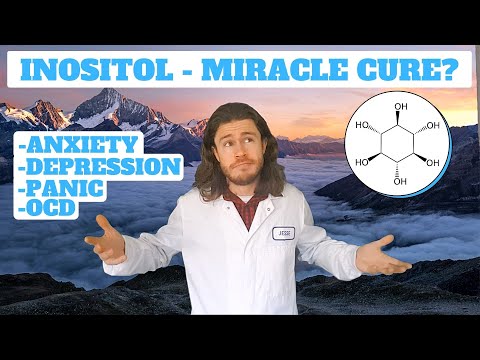
So, let’s talk about panic attacks. You know, those moments when everything feels way too much? Your heart races, you can’t breathe, and suddenly you’re sure something really bad is about to happen. It’s scary stuff.
Now, I get it—nobody wants to feel that way. But here’s the thing: there are ways to help manage those feelings. One of them might surprise you: inositol. Yeah, it’s a bit of a mouthful. But hang on, because it could really make a difference for some folks.
Imagine finding something that calms your mind and helps you cope better with stress. Sounds pretty great, right? That’s what we’re gonna dive into here—how inositol might be your new best friend when it comes to tackling panic attacks. So stick around!
Exploring the Benefits of Inositol for Managing Panic Attacks
You know, when panic attacks hit, it can feel like the world’s closing in. It’s intense and often leaves you feeling totally drained afterward. Now, there’s been some chatter about this substance called **inositol** and how it might help manage those pesky panic moments. So let’s break it down a bit.
First off, **inositol** is actually a type of sugar that’s found in many foods like fruits, beans, grains, and nuts. Your body can produce it too! It’s involved in various biological processes, you know? One key aspect is its role in cell signaling, which sounds fancy but really just means how cells communicate with each other.
Now, you might be thinking: “How does all that relate to my panic attacks?” Well, research suggests that inositol might positively affect your mood and anxiety levels. Some studies have shown that people dealing with panic disorder may experience fewer attacks when they take inositol regularly.
Here are some benefits that might catch your interest:
- Reduces Anxiety Symptoms: Inositol may help lower the frequency of those anxiety spikes that can lead to panic attacks.
- Improves Mood: Some folks find that their general mood stabilizes when using inositol. This could make facing daily stresses a bit easier.
- No Major Side Effects: Generally speaking, inositol is considered pretty safe to use. Unlike some medications that come with a laundry list of side effects, many people tolerate it well.
- Natural Supplement: For those who prefer natural remedies over pharmaceuticals, this could be an appealing option.
It’s not just about taking a magic pill or something; consistency matters. You’ll want to incorporate it into your routine rather than expect immediate results overnight.
A friend of mine once shared her struggle with panic attacks—she felt trapped inside her own body sometimes. After learning about inositol and integrating it into her daily life along with therapy, she noticed her panic episodes getting less intense over time. While it’s not a fix-all solution for everyone—because what is?—she found that the combination made life feel a little more manageable.
However, don’t forget: if you’re considering using inositol or any supplement for managing your mental health issues, hitting up your healthcare provider first is super important! They can guide you on dosage and whether it’s right for you based on your unique situation.
So yeah, **inositol** has potential as an aid for managing panic attacks. But like anything else related to mental health—you really need to think about what works best for **you**!
Discover the Most Effective Medications for Managing Panic Attacks
Panic attacks can feel like your heart’s about to leap out of your chest, right? Those sudden waves of intense fear are no joke. For some, it can be like a roller coaster you never wanted to ride. But did you know that there are different ways to manage them? One interesting option that’s come up in discussions is **inositol**, which many people might not have heard about before.
What is Inositol?
Inositol is a type of sugar that’s naturally found in various foods, like fruits, beans, and grains. It plays a role in cell signaling and helps with the growth of nerve cells. Some research suggests that it might help reduce anxiety and panic symptoms. So, it’s something worth chatting about if you’re looking for natural alternatives.
How Does It Work?
The thing is, inositol affects neurotransmitters—those little chemical messengers in your brain. It’s thought to impact serotonin, which is often called the “feel-good” hormone. By influencing serotonin levels, inositol might help stabilize mood and reduce feelings of panic. It’s fascinating how our brains work!
Potential Benefits for Panic Attacks
Some studies have shown promising results for inositol as an effective treatment for panic disorder. Here are some points that pop up often:
While those findings sound cool, it’s important to remember everyone reacts differently. What works well for one person might not do much for another.
Dosing and Considerations
Most research suggests doses around 12 grams per day could be beneficial for anxiety symptoms. But don’t start chugging supplements just yet! Always check with a healthcare professional first—especially since they can guide you based on your personal history and current health situation.
Anecdotal Stories
I remember chatting with a friend who struggled with panic attacks for years. Medications were hit-or-miss for them until they stumbled upon inositol after doing some digging online. They decided to give it a go under their doctor’s watchful eye—and after a few weeks? They felt more balanced and had fewer panic episodes!
It’s stories like this that make you think about alternative options beyond traditional drugs—like SSRIs or benzodiazepines—which can sometimes come with unwanted side effects.
The Final Note
So there you have it! While **inositol** isn’t everyone’s cup of tea when it comes to managing panic attacks, it’s definitely an option worth considering if you’re seeking alternatives or complements to standard treatments. Just make sure you’re talking things over with your doc so everyone’s on the same page—and keep exploring what works best for you!
Top Vitamins to Combat Panic Attacks and Anxiety: Natural Solutions for Mental Well-Being
Panic attacks can feel like you’re losing control, right? Your heart races, breathing gets shallow, and it can really mess with your head. While there are many ways to tackle this issue—like therapy or medication—some folks are also looking at natural ways to ease anxiety. One of the vitamins that’s been getting a lot of attention is inositol. It’s part of the B-vitamin family, and its role in helping manage panic attacks is pretty interesting.
First off, inositol is found in foods like beans, grains, fruits, and nuts. This vitamin plays a role in cell signaling processes in the brain. What’s cool is it seems to help regulate mood and could lower anxiety levels. Some studies have shown that it might be as effective as certain medications for panic disorder. Imagine that! Eating something so simple could actually help you feel calmer.
Another important vitamin to consider is Vitamin D. A lot of people don’t get enough sunshine these days. Low levels of Vitamin D have been linked to mood disorders and increased anxiety. So, you might want to get outside a bit more or think about supplements if your doc says it’s okay.
Then there’s B-complex vitamins. These guys are crucial for brain health! They support neurotransmitter function which can affect your mood and stress levels. Think of them as the cheerleaders for your nervous system! Foods like leafy greens and eggs pack a punch here.
- Vitamin C: This antioxidant not only helps fight off colds but also plays a role in reducing stress hormones.
- Magnesium: Often called nature’s relaxant, magnesium helps with muscle relaxation and nerve function. Nuts and dark chocolate are great sources!
- Omega-3 fatty acids: Found in fish oil, these essential fats can help improve overall mental health.
Of course, always remember that even though these vitamins can help with feelings of anxiety or panic attacks, they shouldn’t replace professional advice or treatment from a mental health provider. Sometimes you just need to talk things out with someone who gets it!
A friend of mine used to have panic attacks outta nowhere; she’d be fine one moment then suddenly hit with overwhelming dread—the kind that just flips your world upside down for a few minutes. After trying therapy (which she loved), she started incorporating more whole foods into her diet with lotsa B-vitamins and magnesium—and it made a difference! It wasn’t just about the food; feeling empowered helped her so much too.
So yeah, while exploring natural solutions like vitamins can really complement what you’re already doing for your mental well-being, staying connected with healthcare professionals is super important too! The journey towards feeling better takes time and patience—but every small step counts!
You know, panic attacks can feel like being caught in a storm with no way out. Your heart races, your breath gets shallow, and it feels like the world just flipped upside down. Honestly, I’ve had friends go through moments like that, and it’s rough to watch them struggle. They often try anything they think might help calm those relentless waves.
One thing that’s popped up in conversations is inositol. Ever heard of it? It’s a type of sugar that’s found naturally in certain foods and is also made in our bodies. Some people say it helps manage anxiety and can even ease those intense feelings that come with panic attacks. So, basically, it might lend a helping hand when your mind feels like it’s running off the rails.
It’s interesting because people have reported that taking inositol might lessen the frequency or intensity of their panic attacks. There’s some research suggesting that it can affect the neurotransmitter systems involved in anxiety—like serotonin and dopamine—so you could say it plays a part in calming the brain down when things get crazy. But hey, everybody’s different, right? What works wonders for one person might not do much for another.
I remember a buddy who was always on edge before big presentations at work. He’d literally sweat bullets just thinking about speaking up. He started taking inositol after hearing about its potential benefits from someone online. It wasn’t an instant fix or anything—he still had his moments—but over time he noticed he felt less overwhelmed during those high-pressure times.
But here’s the catch: while adding something like inositol could be beneficial for some folks, it’s not a magic solution. It’s always best to chat with a doctor or therapist before diving into new supplements or changes to your routine. Mental health can be super tricky! You want to make sure you’re tackling things from all angles.
So if you or someone you know is grappling with panic attacks, maybe exploring options like talking about things or trying out foods rich in inositol might be worth considering—but never forget about seeking professional help too! It takes teamwork to weather that storm sometimes; you’re not alone in this journey.