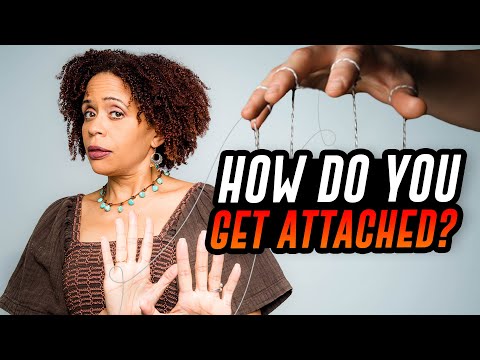
You know that feeling when your partner wants to get closer, but you just feel… off? Like, all those warm fuzzies just fly out the window?
That’s what it’s like living with insecure avoidant attachment. It can be tough. You might crave connection but feel scared at the same time.
Maybe you’ve noticed yourself pulling away. Or not wanting to share your thoughts and feelings. And it’s confusing, because you want love yet find yourself backing off.
Seriously, you’re not alone in this. Lots of folks deal with these emotions every day. Let’s chat about what it means and how to navigate relationships when you’re feeling this way. It’s all about understanding yourself better, ya know?
Transforming Relationships: Effective Strategies to Overcome Insecure Avoidant Attachment
So, let’s talk about insecure avoidant attachment. If you find yourself feeling all the feels but also wanting to keep people at arm’s length, you might just identify with this attachment style. It often stems from early experiences where emotional needs weren’t really met. You might’ve grown up in a space where it felt safer to rely on yourself than others. This can lead to some serious struggles in relationships.
When you’re dealing with someone who has an avoidant attachment style, they might come off as emotionally distant or even dismissive of intimacy. It can be super frustrating for their partners, not gonna lie. They may shut down during emotional conversations or feel uncomfortable when things get too close for comfort.
Now, if you wanna transform those relationships and make them healthier, there are a few strategies to consider.
- Self-awareness is key. Recognizing your attachment style plays a huge role in understanding your behaviors and reactions. Take time to reflect on patterns that pop up during conflicts or when someone gets too close.
- Open communication. This means chatting about feelings and vulnerabilities. If you’re struggling with closeness, talk about it! Let your partner know where you’re coming from, even if it’s hard.
- Create a safe space. Work together to build an environment where both of you can express feelings without fear of judgment or rejection. A nurturing atmosphere encourages openness.
- Gradual exposure to intimacy. Start small! If physical touch or emotional sharing feels overwhelming, try easing into it. Maybe hold hands first before diving into deep conversations.
- Pace yourselves. Don’t rush the relationship process. Allow the connection to develop naturally over time instead of pushing for more closeness right away—that often backfires!
It’s also important not to enable avoidance by giving into their need for distance all the time. That just reinforces their fears. You gotta balance respecting their boundaries while encouraging them gently towards more engagement.
I once knew someone who struggled with this kind of attachment style—they loved deeply but felt uncomfortable when it came to expressing that love openly. During tough moments in their relationship, they’d shut down instead of reaching out for support. But over time and with patience from their partner’s side, they learned little by little how to share more openly without feeling overwhelmed.
Of course, change takes time and requires effort from both sides—but hey, it’s totally possible! Working through insecure avoidant attachment isn’t just about fixing the relationship; it’s often about personal growth too.
In short, navigating this kind of attachment is tough but managing it involves self-awareness, open lines of communication, and creating that cozy safe space together so both partners can feel comfortable sharing what’s really going on inside—no pressure! Just step-by-step progress towards building healthier connections that last over time.
Understanding Avoidant Attachment: Why Those with Avoidant Traits Feel Trapped in Relationships
Understanding Avoidant Attachment can be a bit like trying to untangle a bunch of cords that have been in a drawer for way too long. It’s confusing, but once you get it, things make so much sense.
So, let’s kick things off by breaking down what avoidant attachment is all about. People with this kind of attachment style usually grow up in environments where emotional needs weren’t met consistently. Maybe their caregivers were distant or didn’t show affection often. This shapes how they view intimacy and connection later on.
When these folks enter relationships, they might feel trapped. It’s not that they don’t want to be close; it’s more like they put up walls without even realizing it. They value independence and may prioritize self-reliance over the risk of vulnerability.
You know that feeling when you’re in a relationship, but there’s this nagging voice in your head saying, “What if I get hurt?” For someone with avoidant traits, that voice can be pretty loud! They often keep their partners at arm’s length to protect themselves from any emotional upset. It might look like:
- Avoiding deep conversations about feelings or future plans.
- Being hesitant to commit fully or express affection.
- Shutting down emotionally when things get too intense.
Imagine being with someone who has this avoidant style. One moment they’re engaging and fun, but then suddenly they’re pulling away as soon as things start getting serious. It can leave you feeling confused and rejected, wondering what you did wrong.
Sometimes, people with avoidant traits struggle with recognizing their own emotions too. They may feel overwhelmed by closeness and respond by distancing themselves rather than seeking comfort or connection from their partners. This tug-of-war in relationships can create a cycle of push and pull that leaves both parties feeling unfulfilled.
If you’ve ever seen someone withdraw just when things heat up emotionally — like when your friend is ready for the «What are we?» talk — that’s the avoidantly attached folks for ya! They’re not bad people; they’re just navigating through their history in a way that feels safe for them, even if it leaves you puzzled.
Understanding this behavior can help both partners find ways to bridge the gap between craving connection and needing space. Learning how to communicate openly about each other’s needs is key! It takes time and patience, but it’s totally doable.
Ultimately, those with avoidant attachment might feel trapped because they want love but fear getting hurt or losing their sense of self. Recognizing those feelings and working towards embracing vulnerability can make all the difference in fostering healthier connections in relationships.
Understanding Insecure Avoidant Attachment in Children: Strategies for Building Healthier Relationships
Understanding insecure avoidant attachment in children is essential for helping them build healthier relationships in the future. It can be a bit puzzling, but let me break it down for you. Kids with this attachment style often tend to keep their distance when it comes to connections. They might seem emotionally distant or even act like they don’t need anyone. But underneath, there’s usually a fear of dependence or rejection.
What Causes Insecure Avoidant Attachment?
So, what makes a kid develop this kind of attachment? It often stems from early experiences with caregivers who are emotionally unavailable or inconsistent. Imagine a child reaching out for comfort but getting ignored or brushed off repeatedly. Over time, they learn that it’s safer to rely on themselves rather than seeking help from others.
Signs of Insecure Avoidant Attachment
You might notice some specific behaviors if you’re around a child with this attachment style:
- They may avoid eye contact and physical affection.
- They often appear overly independent, not wanting help even when they clearly need it.
- You might see them quickly shut down when someone tries to get close emotionally.
- Sometimes they dismiss their own feelings or brush off others’ emotions.
Now, while these signs can be tough to witness, there are definitely ways to support these kids in building healthier relationships.
Strategies for Building Healthier Relationships
One key strategy is creating a safe space for expression. Kids need to feel that their feelings matter. This means being there without judgment when they’re ready to share. If they feel comfortable opening up about their thoughts and emotions, they’ll slowly learn that connection is safe.
Another helpful approach is encouraging gradual intimacy. You see, pushing too hard can make things worse. It’s more effective to take baby steps toward closeness—like short hugs or casual conversations—rather than diving straight into deep emotional discussions.
Validate Their Emotions
Always remember: validation is key! When you acknowledge what they’re feeling—even if it’s anger or sadness—it helps them understand that it’s okay to have these feelings. This simple act can foster trust and encourage them to express themselves more freely over time.
Model Healthy Relationships
Kids learn a lot by watching adults around them. By demonstrating healthy relationships—showing affection, communicating openly, handling conflict constructively—you give them a live example of what secure attachments look like. It’s all about showing them that being close with someone isn’t scary; it can be comforting and rewarding!
Finally, don’t forget patience! Changing attachment styles takes time and effort. Celebrate small victories along the way; every little step counts toward building healthier relationships.
By creating an environment full of support and understanding, you’re giving children the tools they need to navigate their feelings and have better connections in life later on. Trust me; it’s worth the effort!
Navigating insecure avoidant attachment in relationships can be a tricky journey, you know? It’s like having this invisible wall that keeps others at a distance while simultaneously craving connection. You might find yourself wanting to get close to someone, but when that person shows interest, something inside you just freaks out. That’s the thing with avoidant attachment; it’s complicated!
I remember my friend Sarah. She was totally charming and had a million friends but never really let anyone in. Whenever her boyfriend would try to have a deep conversation, she’d shift the topic or make jokes to lighten the mood. It was almost like she was afraid of what being vulnerable could lead to—maybe rejection or losing herself in someone else.
Insecure avoidants tend to keep their partners at arm’s length. They often feel uncomfortable with intimacy and may come off as aloof or emotionally unavailable. And honestly? It can be confusing for both parties involved! You might find yourself feeling rejected or unwanted, even when your partner isn’t trying to push you away on purpose.
But here’s the kicker: understanding where this behavior comes from can really help both you and your partner navigate those tricky waters. In many cases, it stems from past experiences—like inconsistent parenting or emotional neglect—that shaped how they view relationships now. A heart that wants closeness but fears it can draw up some real challenges.
What helps? Open communication is key! But I get it; sometimes even talking about feelings makes it feel like you’re standing on thin ice! It’s important for both partners to create a safe space where vulnerabilities can be shared without judgment.
And hey, it’s not all doom and gloom! With self-awareness and the right kind of support—maybe therapy—you can work through these patterns together and form healthier connections over time. Just know that if you’re dealing with someone who has an insecure avoidant attachment style—or even if that’s you—it doesn’t mean it’s game over for love; it’s just part of growing together.