You know how sometimes we hear about new treatments that totally shake things up? Well, insulin therapy is starting to look like one of those game-changers for schizophrenia.
Yeah, I get it. Insulin is usually all about blood sugar and diabetes, right? But here’s the twist. Researchers are digging into its potential for managing symptoms of schizophrenia, and it’s pretty intriguing!
Imagine a world where a treatment that was once just for diabetes could help people dealing with these tough mental health issues. Wild, huh?
So grab a cup of coffee or whatever you like, and let’s chat about why this approach might just open up a whole new door for care.
The Role of Insulin Shock Therapy in Treating Schizophrenia: Historical Insights and Implications
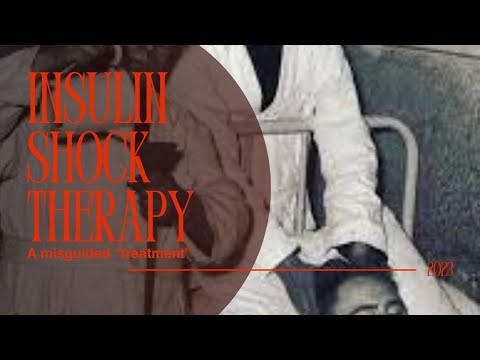
Insulin shock therapy, or insulin coma therapy, was once a treatment option for schizophrenia. This method peaked in popularity during the mid-20th century. It’s pretty fascinating but also a bit startling when you think about it.
What is Insulin Shock Therapy? Essentially, it involved administering large doses of insulin to induce a coma-like state. The idea was that this extreme shock could somehow “reset” the brain. But the science behind it? Well, that’s where things get tricky.
Historical Context Insulin therapy was introduced back in the 1930s. At that time, mental health treatments were really limited. Options like lobotomies were brutal and often left patients worse off than before. So, some doctors were looking for alternatives that might actually help.
Doctors began using insulin to treat schizophrenia because they thought it could bring about dramatic changes in mood and behavior. Some claimed success stories—patients showing improvements after treatment—but many others experienced serious side effects or didn’t improve at all.
The Mechanism Behind It Here’s the thing: nobody really understood how insulin worked in this context. The theory was that lowering blood sugar levels to such an extreme could somehow alter neurotransmitters and brain function. But honestly? There wasn’t much solid evidence to back this up.
After some initial enthusiasm, skepticism grew as research showed mixed results. Patients often faced risks of severe hypoglycemia, seizures, or even death during these treatments. Yeah, pretty scary stuff!
By the late 1950s and early 1960s, other psychiatric medications started emerging—like antipsychotics—which offered safer and more effective options for treating schizophrenia. So insulin shock therapy gradually fell out of favor.
Implications Today Even today, while we have advanced significantly in understanding mental health disorders and their treatments, looking back at insulin shock therapy raises questions about ethics and patient care in psychiatry. Treatments should always prioritize patient safety and well-being over experimental approaches with unknown consequences.
In summary, insulin shock therapy had its moment but faded when better alternatives came onto the scene. Hopefully now we can appreciate how far we’ve come since those days—and remain vigilant so history doesn’t repeat itself!
Understanding Insulin Coma Therapy: A Historical Perspective on Its Role in Mental Health Treatment
It’s pretty wild how medicine has evolved, right? One of those ways was through collagen therapy, specifically **insulin coma therapy**. This treatment, believe it or not, was once a go-to in the mental health field, especially for people dealing with schizophrenia.
So, what exactly is insulin coma therapy? Basically, it involved giving patients high doses of insulin to induce a coma. This was thought to help with severe mental illnesses by *resetting* the brain or something like that. Sounds intense, huh? Well, this approach was most popular in the 1930s to 1950s.
Let’s break down a few key points about this method:
- Historical Context: Before we had modern medications and therapies, doctors were really searching for effective treatments. They explored anything they could think of— including insulin therapy.
- The Process: A doctor would inject insulin into a patient, leading them into a deep coma for several hours. While in this state, it was believed that their mental symptoms might improve somehow.
- Effectiveness: Some people did report improvements after treatment. However, the science behind why this worked (or if it really did) wasn’t solid at all.
- Risks: Inducing comas like that carried serious risks—like seizures and even death. Not great things to deal with when you’re already struggling!
- Decline of Use: By the late 1950s, safer and more effective treatments emerged (like antipsychotic medications). Slowly but surely, insulin coma therapy faded out of favor.
Now imagine being on the receiving end of such treatment. There’s an old story about a man named Jack who went through this therapy back in the day. He vividly recalled waking up from a coma confused and disoriented. Years later he would talk about how terrifying that experience was—even if some aspects did feel like they helped him cope better.
In hindsight, it’s easy to see how we’ve come a long way since then. Today’s mental health treatments focus on understanding individuals and using evidence-based approaches rather than relying on shock tactics like insulin coma therapy.
So yeah—to sum it up: Insulin coma therapy was once seen as an innovative method for treating severe mental illnesses but eventually fell out due to its dangerous nature and lack of solid scientific backing. It serves as a reminder of how trial-and-error has played such a significant role in shaping our understanding of mental health over time!
Understanding Insulin Coma Therapy: Mechanism, Benefits, and Historical Context
Insulin coma therapy is pretty fascinating, even if it sounds a bit wild at first glance. Basically, this approach was used back in the mid-20th century to treat severe cases of schizophrenia. It involved injecting patients with insulin to deliberately induce a coma. Yep, you heard that right!
Now, let’s break it down a bit. The mechanism behind insulin coma therapy relies on the idea that inducing a coma could somehow reset or stabilize the brain’s activity. The theory was that by lowering blood sugar levels to critical levels, it might help clear out some of the symptoms associated with schizophrenia. This was thought to be due to the metabolic changes triggered in the brain during such an extreme state.
As for benefits, there were reports from certain clinics claiming that some patients experienced temporary relief from their symptoms after undergoing this intense treatment. For instance, some people felt less agitated and paranoid after coming out of those comas. However, keep in mind that these effects were often short-lived and not consistently reproduced across all patients.
Now, if we look at the historical context, insulin coma therapy was pretty popular from the 1930s through the 1950s before falling out of favor. Back then, psychiatric medicine wasn’t what it is now—there were fewer options available for treating mental health conditions like schizophrenia. So doctors were trying all kinds of things to help their patients, including lobotomies and electroconvulsive therapy (ECT).
But here’s the thing: as time went on and research improved our understanding of mental health conditions, more effective and safer treatments emerged. Plus, insulin coma therapy could lead to serious complications like seizures or even death in some cases. That’s not ideal when you’re trying to help someone feel better.
Eventually, other forms of treatment became more common—like antipsychotic medications—which are much safer and target specific chemical imbalances in the brain without putting someone into a coma! So while insulin coma therapy is an interesting part of mental health history, it’s definitely not something you’d see used today.
In sum:
- Mechanism: Induced a state resembling a coma by injecting insulin.
- Benefits: Some temporary symptom relief reported.
- Historical Context: Once popular but fell out of favor due to risks and advancements in treatment options.
Mental health treatments have come a long way since then! Knowing about these past methods can really put today’s practices into perspective—it’s all about finding what works best without causing more harm than good.
Alright, so let’s chat about something that’s been buzzing around in the mental health community: insulin therapy for schizophrenia. So, here’s the deal. Schizophrenia is this really complex mental health condition that affects how someone thinks, feels, and behaves. It can be super tough on not just the person dealing with it, but also on their loved ones.
Now, we usually think of insulin as the thing people with diabetes need to control their blood sugar levels. But researchers have started looking into how insulin might help folks with schizophrenia. It might seem a bit out there, right? But think about it—insulin has effects on brain function that could potentially help manage some symptoms.
I remember a friend who struggled for years with schizophrenia. She often found herself lost in her thoughts, hearing voices that weren’t there. It was heartbreaking to see her go through such a tough time. Traditional treatments like antipsychotics didn’t always work for her; sometimes they caused more side effects than relief. When I heard about this insulin therapy approach, I thought of her and wondered if something like this could’ve made a difference.
The research is still in early stages—like anything new in medicine, right? But initial findings suggest that insulin could help stabilize mood and improve cognitive function for some people with schizophrenia. It’s intriguing because it shifts the focus from just managing symptoms to potentially addressing underlying brain chemistry issues.
But here’s where things get tricky: introducing something like insulin into treatment plans comes with its own set of challenges and questions—like how to monitor patients effectively or what side effects might pop up? So while people are excited about this fresh direction in treatment options, you can’t ignore the complexities involved.
Anyway, it’s clear we need more options for treating mental health conditions like schizophrenia. Innovations like this give hope not only to patients but also to families who often feel helpless when traditional treatments fail them. Let’s keep our fingers crossed that research continues down this path because every new discovery is a step closer to better care for those who really need it!