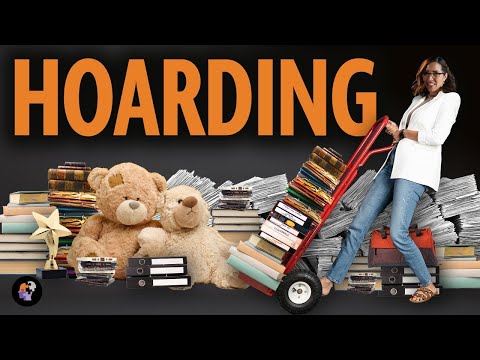
You know, hoarding is one of those things you might not think about much. It seems kinda weird, right? Just keeping tons of stuff that you don’t even use?
But there’s a lot more to it than meets the eye. Seriously, it can really mess with your head.
Imagine walking into a room packed with junk, and it feels like the walls are closing in on you. That’s just a glimpse of what some folks experience.
We’re talking about real struggles here that touch on anxiety, shame, and sometimes a deep-seated feeling of loss. It’s not just “clutter.” There are emotions tied up in every item.
So let’s chat about hoarding, how it shapes mental health, and what it all means for people dealing with this every day. Sound good?
Exploring the Psychological Effects of Hoarding: Understanding the Impact on Mental Health
Hoarding is one of those things that might seem a bit out there at first, but it can seriously mess with someone’s mental health. It’s more than just collecting too much stuff; it’s usually tied to deeper psychological issues. The thing is, hoarding can cause a lot of distress not just for the hoarder but for their loved ones too.
When you think about it, hoarding often stems from anxiety or depression. Imagine feeling overwhelmed by emotions or memories attached to objects. Each item in a home might represent something significant. It could be a memento from a lost friend, or it might trigger feelings of safety and comfort. But eventually, this can spiral into chaos.
Key points about hoarding and its impact on mental health:
- Isolation: Many people who hoard start to withdraw from social activities. Their homes can become so cluttered that they feel embarrassed to invite friends over.
- Anxiety and Depression: The constant pressure of managing all that stuff often leads to heightened anxiety levels and deeper depressive feelings.
- Loss of Control: Hoarders frequently feel like their lives are spiraling out of control. This feeling feeds into the urge to acquire more items as a way to cope.
- Family Strain: Relationships with family members often suffer because loved ones may feel confused or frustrated by the behavior.
I remember talking with someone named Mark who lived in his family home filled with old newspapers and broken furniture. He told me he felt trapped, surrounded by all this stuff he thought he couldn’t get rid of but wasn’t happy about either. It was like being stuck in a maze where he couldn’t find his way out.
Hoarding also has practical repercussions. It makes daily living difficult—navigating through piles of belongings becomes exhausting! And don’t get me started on safety issues; stuff piled high can block exits or create fire hazards.
Another layer is how society views hoarding. Unfortunately, there’s still a stigma attached to it, which means people dealing with this issue might be less likely to seek help due to fear of judgment. This stigma makes recovery even harder.
Treatment options are available and can really make a difference! Therapy focused on cognitive-behavioral approaches often helps individuals reframe their thoughts around their possessions. Gradual decluttering—with the support of professionals—can lead to significant improvements in mental clarity and emotional wellbeing.
In the end, understanding hoarding is essential—not just for those affected but for everyone else too. There’s always more beneath the surface than meets the eye when it comes to mental health struggles like these! So if you know someone who’s dealing with this issue—or if it’s you—remember there’s no shame in reaching out for help. You deserve support.
Understanding Psychological Support for Hoarders: Effective Strategies and Resources
Hoarding can be a pretty tough situation. It’s not just about having too much stuff lying around. For many people, it’s deeply tied to emotions and psychological issues. If you or someone you know is struggling with this, understanding the support available is key.
Understanding Hoarding
At its core, hoarding usually stems from a combination of emotional distress and cognitive challenges. People might hold onto items because they have sentimental value or fear losing them. For some, it’s like their belongings represent safety and comfort in a chaotic world.
The Psychological Impact
The emotional toll can be significant. Many hoarders feel shame and anxiety about their living conditions. It can lead to social isolation, relationship issues, and even legal problems if homes become uninhabitable. It’s like being trapped in a cycle that feels impossible to break.
Effective Strategies for Support
So, what can be done? Here are some effective strategies:
- Therapy: Cognitive Behavioral Therapy (CBT) is often used to help hoarders understand their thoughts and behaviors.
- Support Groups: Being part of a group where others share similar struggles can create a sense of belonging.
- Gradual Decluttering: Taking baby steps towards decluttering is less overwhelming than trying to tackle everything at once.
- Family Involvement: Family members can provide encouragement and help but should approach the situation gently.
- Professional Organizers: Sometimes professionals who specialize in helping hoarders can make the decluttering process less daunting.
Resources Available
There are also resources that offer assistance:
- NAMI:The National Alliance on Mental Illness offers information and support for those affected by hoarding.
- Samaritans:This organization provides a listening ear for those feeling overwhelmed.
- Crisis Hotlines:If you’re feeling really low or anxious about hoarding issues, calling a hotline can provide immediate support.
Anecdote: I remember talking to someone who had been dealing with hoarding for years. They felt so alone until they joined a local support group. Hearing others share their experiences helped them realize they weren’t alone in this struggle. That connection was priceless—like finding light in a dark room.
In short, tackling hoarding isn’t easy, but with the right support strategies and resources, people can find their way toward healing. You don’t have to navigate this journey alone!
Understanding Hoarding: The Connection Between Trauma and Compulsive Cluttering
Hoarding can feel like this invisible weight, you know? It’s not just about piles of stuff lying around. It often goes deeper, with roots tied to trauma and emotional distress. A lot of folks don’t realize how significant those connections are.
When we talk about hoarding, we’re looking at a compulsive need to gather and save items, even if they have no real value. This behavior can lead to living spaces that are cluttered or even unsafe. It’s important to understand that hoarding isn’t just laziness or disorganization; it can be a serious mental health challenge.
Now, let’s explore the relationship between trauma and hoarding. Many people who struggle with this condition have experienced some form of emotional pain or loss. Maybe they faced a difficult childhood, lost a loved one, or went through a traumatic event like abuse or natural disasters. These experiences can create feelings of insecurity and fear of losing what little control they have left in their lives.
You might wonder why collecting things becomes a coping mechanism. Well, for some people, items turn into symbols of comfort and security. Imagine going through something really tough; the idea of letting go can feel terrifying! Each item might represent memories or moments that offer a sense of safety in an otherwise chaotic world.
The psychological impact doesn’t stop at the physical clutter either. Many people with hoarding tendencies also deal with anxiety, depression, and low self-esteem. The shame associated with their living situation can further isolate them from friends and family. You know that feeling when you want help but don’t know how to ask? Yeah, it’s kind of like that.
Therapists often use cognitive-behavioral therapy (CBT) when working with individuals who hoard. This approach helps them recognize the thoughts behind their compulsive behaviors and challenges those beliefs over time. But guess what? It takes time—real healing doesn’t happen overnight.
Awareness is key here. It’s crucial for us to understand that hoarding is more than just «keeping too much stuff.» It’s deeply intertwined with emotional struggles and trauma history, which means compassionate understanding is essential when supporting someone dealing with this issue.
In short, if you know someone who seems overwhelmed by clutter or if you’re facing similar challenges yourself, remember: it’s okay to seek help and support! You’re not alone in this journey—like many other mental health issues, there’s hope for recovery and understanding around the corner.
Hoarding is one of those things that can hit hard, you know? I remember a friend of mine, let’s call her Lisa. She was really sweet but had this growing pile of stuff in her apartment. It started as just a few boxes of old clothes and trinkets, and then bam! Before we knew it, there were paths through the piles—barely.
At first, I didn’t get why she held on to so many things. I mean, what’s the deal with keeping a broken toaster or stacks of magazines from the 90s? But it turns out there’s way more to hoarding than just being messy or disorganized. For Lisa, every item carried a story—a memory she couldn’t let go of. Throwing something out felt like losing a piece of herself.
But here’s what’s tricky: hoarding often isn’t just about the stuff; it can dig deep into your mental health. People who hoard might be dealing with anxiety, depression, or past trauma. It can feel so overwhelming that instead of facing those feelings head-on, they bury them under all that clutter. You follow me? That pile of junk becomes their comfort zone.
It’s like digging a hole and thinking you’re safe down there when actually it just gets darker and tighter around you. The emotional load can weigh heavy; friends might pull away because they don’t understand or feel overwhelmed themselves. And it’s not just about social isolation; hoarding can lead to serious problems like health hazards or legal issues if things get too extreme.
If you know someone who’s struggling with this—or if it resonates with you—you’re not alone in this tangled mess! Seriously. There is help out there—therapy can be an amazing ally for digging through those feelings and figuring out why we hold on to certain things so tightly.
So next time you see a pile at your friend’s place or even at home, maybe take a moment to think about what’s behind all that stuff. Sometimes it’s not just junk; it’s real emotion wrapped up in memories that are hard to untangle. Getting help might be starting point for unblocking that path to freedom… one small step at a time!