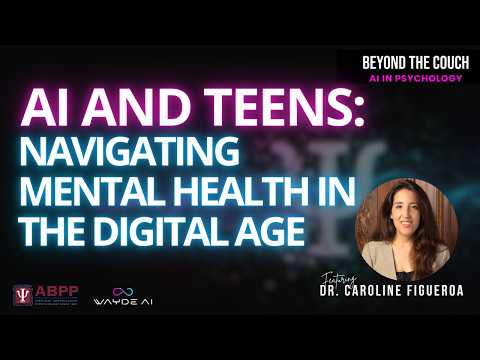
You know, it’s wild how much the internet has changed the way we think about mental health. Seriously, like one scroll through social media can spark a whole range of emotions.
One minute you’re laughing at a meme, and the next, you’re questioning your life choices. It’s a trip, right?
Navigating mental health these days feels like walking through a maze while blindfolded. It’s confusing out there!
There’s so much information at our fingertips, but not all of it is helpful. Some of it can even make things worse!
So, let’s chat about what it’s like to juggle mental health in this digital age. We’ll dig into the good stuff and the not-so-great stuff together. Sound good?
Navigating Mental Health in the Digital Age: Download Our Comprehensive PDF Guide
Navigating mental health in the digital age can feel like trying to find your way through a maze, right? With all the information, apps, and online resources out there, it’s a lot to sort through. But don’t worry; let’s break it down together.
First off, the internet is loaded with **mental health resources**. You’ve got blogs, podcasts, social media pages—seriously endless options! The cool part? You can find support no matter where you are. But here’s the catch: not everything online is legit. You wanna be careful about who you listen to.
When searching for help online, consider these tips:
- Look for credible sources: Websites like the National Institute of Mental Health or MentalHealth.gov provide reliable info.
- Check credentials: If you’re reading something from a self-proclaimed expert with no backing, think twice.
- Be cautious with apps: Some mental health apps can be helpful for tracking moods or anxiety. But others might just give you more stress!
Now imagine this: maybe it’s late at night and you’re feeling anxious. Instead of sitting alone with your thoughts, hopping on a forum or support group can really help. It’s comforting to know that others share your struggles. Just remember that while online communities can be supportive, they should never replace professional help if you need it.
Another thing to think about? The impact of **social media** on mental health is pretty significant. Sure, scrolling through Instagram might give you some laughs or inspiration but also leads to comparison traps. Ever felt bad after looking at someone else’s perfect vacation photos? Yeah, we’ve all been there! So it might be worth taking breaks from social media when things get overwhelming.
It’s also important to talk about outdated stigma surrounding mental health. In many ways, being open about your struggles has become more accepted because of how much conversation now takes place online. This rise in awareness means people are sharing their stories—and that helps break the silence!
And if you ever doubt whether you’re doing enough for your well-being? Remember that seeking help is a sign of strength—not weakness! Using digital tools can support you on this journey but don’t hesitate to reach out for face-to-face support if that feels better.
In a nutshell, while navigating mental health in our tech-savvy world brings challenges and advantages alike—being informed makes all the difference! Embrace what works for you and keep exploring until you find your own path toward better mental well-being.
Navigating Mental Health Challenges in the Digital Age: Effective Solutions and Strategies
When you think about mental health challenges today, it’s hard to ignore the impact of technology. Seriously, the internet can be a double-edged sword. On one hand, it offers support and information like never before, but on the other, it can also create stress and confusion. Let’s break down some effective solutions and strategies for navigating these challenges, as well as how to make the most out of this digital landscape.
Finding Reliable Information
First off, there’s a ton of information online—some good and some not so much. It’s super important to make sure you’re checking credible sources. Think about reputable websites from mental health organizations or university studies. They often have accurate info that can really help you understand what you or someone else might be experiencing.
Connect with Online Communities
Finding community online can feel like a lifeline. Joining forums or social media groups where people share similar struggles can be comforting. You know that feeling of just being understood? It’s huge! But remember to keep it balanced; sometimes these spaces can turn toxic, so trust your gut if things feel off.
Limit Social Media Usage
Social media is a double whammy too! Sure, it’s great to stay connected, but scrolling through endless posts can lead to feelings of inadequacy or anxiety. Like when you see someone’s perfect vacation photos while you’re just trying to get through your day? Yeah, that isn’t fun. Setting boundaries on your usage—for example, muting accounts that trigger negative feelings—can really help clear your mental space.
Consider Teletherapy
Speaking of tech helping us out! Teletherapy has become a game changer for many folks who need support but struggle with traditional in-person visits. You hop on Zoom or Skype and talk with a therapist from the comfort of your home—no awkward waiting rooms! Just make sure to choose a licensed professional.
Practice Digital Detoxes
Sometimes you just need to unplug completely for a bit. Regularly practicing digital detoxes means taking time away from screens—just think about taking an entire weekend off social media or limiting phone time before bed to help reduce anxiety.
Mindfulness & Apps
Lastly, let’s chat about mindfulness apps. There are loads out there designed specifically for mental wellness—like simple guided meditations or breathing exercises that fit into even the busiest schedules! Pairing technology with mindfulness practices can lead to significant improvements in how you feel inside.
Navigating Mental Health in the Digital Age: Challenges and Solutions
Navigating mental health in the digital age can feel like you’re walking a tightrope. On one side, you’ve got all the benefits technology can bring, but on the other, there are challenges that can really mess with your head. Let’s break this down.
First off, social media is a double-edged sword. It connects you with others and offers support groups that didn’t exist before. But let’s be real—scrolling through perfect lives can seriously crank up feelings of inadequacy. Comparison culture is alive and kicking online. You might find yourself saying, “Why doesn’t my life look like that?” It’s easy to forget that people usually post their highlights, not their lowlights.
Then there’s the issue of information overload. You can Google anything from anxiety symptoms to coping strategies in seconds. But too much info can be overwhelming. You try to self-diagnose or figure out if what you’re feeling is normal, and then what happens? You get lost in a maze of conflicting advice! This can heighten anxiety rather than help.
Another challenge is privacy—or rather the lack of it. Sharing personal stories on forums or apps may feel cathartic but remember: once it’s out there, it’s out there! Sometimes anonymity gets compromised, which can lead to anxiety about judgment or stigma later on.
Let’s not forget about online therapy options either! There are so many apps claiming to offer immediate support or even connect you with licensed professionals via video chat. This can be a lifesaver when you’re short on time or prefer talking from your couch in pajamas—but it’s vital to ensure those platforms are reputable and secure.
Now for some solutions! Here are some ideas:
- Set boundaries: Limit your social media time and be selective about who you follow.
- Curate your feed: Follow accounts that promote positivity and mental health awareness.
- Practice digital detox: Take regular breaks from screens to reconnect with yourself offline.
- Seek professional help: If you’re struggling, don’t hesitate to reach out for help—online or in person.
In essence, navigating this digital landscape involves finding a balance between embracing technology while also taking care of your mental well-being. It’s tricky but totally doable! Just remember: You control your digital experience.
So, navigating mental health in the age of the internet is, like, a mixed bag. On one hand, you’ve got this treasure trove of information and resources just a click away. Seriously, remember when asking questions about mental health meant digging through library books or relying on doctors? Now, you can binge-watch videos on therapy techniques or find support groups on social media.
But here’s the catch: with all that information comes a TON of noise. I mean, just scrolling through TikTok or Instagram can feel overwhelming. You see everyone presenting their “perfect” lives while battling their own stuff behind the scenes. It can make you feel even worse about your own struggles, like—am I the only one who feels this way? You start to question if what you’re feeling is valid because there’s so much out there that can make you second guess yourself.
I once had a friend who found some great coping strategies online for dealing with anxiety. But then she dove deep into these forums and ended up feeling more anxious after reading about everyone else’s extreme situations. It’s easy to do that! You think you’re looking for help, but then it spirals into comparing your journey against someone else’s.
And let’s not ignore how easy it is to stumble upon misinformation. Like, one minute you’re reading about mindfulness practices, and the next thing you know, you’re knee-deep in pseudoscience claiming essential oils will cure depression! It’s wild how quickly things can get off track.
On top of that, it’s super easy to hide behind a screen. Online therapy is awesome for some people; I get that! But there are times when nothing beats actual human connection—like sitting in a room with someone who gets it. Sometimes I miss those little moments of vulnerability that come from face-to-face conversations.
Still, there’s something kind of beautiful about finding community online too. There are tons of folks out there sharing their experiences and rallying around each other—like virtual hugs across the globe! It helps diminish that isolation we often feel when dealing with mental health challenges.
So yeah, navigating mental health today feels like walking a tightrope balancing between amazing resources and overwhelming pressure. The key? Finding what works best for you while staying aware of what might not be serving you well.
As you sort through all those thoughts and feelings—and trust me, we all have them—you gotta take moments to pause and reconnect with yourself. It’s okay to step back from social media or even take breaks from what seems overwhelming sometimes. After all, your mental health deserves TLC more than just likes and shares!