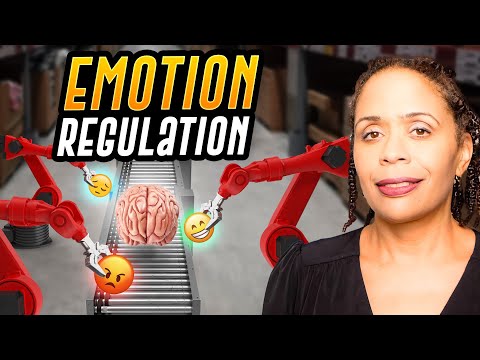
You know how sometimes, emotions can just feel like a rollercoaster? One minute you’re on top of the world, the next—bam!—you’re in a funk. It’s totally normal, but it gets tricky when those ups and downs impact your relationships.
Think about it. You’re having an awesome time with a friend or partner, and then something small sets you off. Suddenly, instead of laughter, there’s tension, and feelings get hurt. Ouch!
That’s where emotion regulation comes in. Seriously, it can be a game changer for keeping your connections strong and healthy. It’s not just about calming down; it’s about understanding your feelings better.
And let’s face it—when we handle our emotions well, everyone wins. You feel good, they feel good, and together you create this chill space where love and support thrive. So let’s chat about how to get there!
Mastering Emotion Regulation in Relationships: A Vital Pathway to Enhanced Mental Wellbeing
So, mastering emotion regulation in relationships is like finding the secret sauce to not just keep the relationship alive but to make it thrive. Seriously, when you and your partner or friends can handle emotions well, it’s a game changer for mental wellbeing. Let’s break it down.
First off, what exactly is **emotion regulation**? Basically, it’s how you manage and respond to your feelings. Think of it as your emotional toolbox. You know how sometimes you feel like you’re about to explode over a little thing? Well, emotion regulation helps you keep that explosion in check.
In relationships, if one person starts feeling overwhelmed or upset, it can easily tip the balance. If you’re good at regulating those emotions, you can prevent misunderstandings and conflicts from snowballing into something bigger.
One key point here is **awareness** of your feelings. It’s about catching those emotions as they arise before they lead to reactive behaviors. Like when your partner says something that annoys you – instead of snapping back right away, take a breath! It’s useful to pause and ask yourself: “Why am I feeling this way?” This moment of reflection can save you both a ton of heartache.
Another important factor is practicing **communication**. When you’re in touch with what you’re feeling, it’s easier to express those feelings without blaming the other person. For example, instead of saying “You always ignore me,” try “I feel alone when we don’t talk.” This shifts things from an attack to an explanation of how their actions affect you.
And let’s not forget about **empathy**! You know that feeling when someone gets mad and instead of being defensive, you just really listen? That’s empathy in action. It creates space for understanding rather than conflict. So when your friend is going through a tough time and maybe snaps at you outta nowhere, it helps if you think: “They must be dealing with something intense right now.” This can lower the emotional temperature…big time!
Also think about the role that **boundaries** play in maintaining emotional balance. Knowing what’s acceptable for both people in the relationship helps keep things healthy—it keeps resentment from bubbling up later on because folks feel respected and understood.
Now let’s dive into some practical tools for actually doing this emotional regulation thing day-to-day:
- Mindfulness: Just being present with your feelings without judgment makes a huge difference.
- Self-soothing: Found ways that calm you down—deep breathing or taking a walk might do wonders.
- Time-outs: It’s okay to step back during heated moments; give each other space before talking again.
- Journaling: Putting thoughts on paper can help clear confusion and organize emotions.
You see? Mastering emotion regulation isn’t just beneficial; it’s vital if we want healthy connections with others. When tackles these challenges together through understanding and communication, well, that’s basically where magic happens in any relationship!
So next time things get heated or confusing with someone close to you, remember: regulating your emotions doesn’t just help YOU—it creates a better space for everyone involved!
Mastering Emotional Regulation: A Key to Enhancing Mental Health and Well-Being
Mastering Emotional Regulation is like learning to ride a bike. At first, it’s kind of wobbly, and sometimes you might fall. But once you get the hang of it, wow—freedom! This skill is super important for your mental health and well-being, especially in how you interact with others.
Let’s break down what emotional regulation is. Basically, it’s how we manage our feelings in different situations. You know those moments when anger bubbles up or sadness hits outta nowhere? Emotional regulation helps you handle those feelings without going overboard. It’s not about pushing emotions away; instead, it’s about recognizing them and responding wisely.
Now, think about a time when you felt overwhelmed. Maybe your partner said something that rubbed you the wrong way? Instead of snapping back immediately—which happens to the best of us—imagine taking a breath and pausing for a sec. That’s emotional regulation in action!
In relationships, this skill can totally change the game. When both people can manage their feelings, it leads to healthier communication and fewer blowouts over little things. You start working together as a team rather than feeling like opponents on a battlefield.
Here are some key ideas on how emotional regulation plays into mental well-being:
- Awareness: Notice your emotions without judgment. It’s like turning on the light in a dark room; suddenly you can see what’s going on.
- Coping Strategies: Find what works for you—deep breathing, journaling, or even taking a walk. Use these when emotions run high.
- Communication: Express what you’re feeling calmly. Instead of saying «You always forget,» try «I feel neglected when plans change last minute.» Language matters!
- Self-Compassion: Be gentle with yourself if things don’t go perfectly. Everyone has off days; recognize that you’re human.
Imagine being in an argument where both partners feel heard instead of attacked. When one person says they’re upset because they feel ignored during busy times at work, the other can respond not with defensiveness but with understanding: “I didn’t realize that was bothering you.” It turns into productive dialogue rather than chaos!
The benefits of mastering emotional regulation don’t just stop at relationships; they ripple outwards too! People who regulate their emotions well often experience less anxiety and depression because they have tools to navigate life’s curveballs.
So yeah, emotional regulation isn’t just some fancy psychological term; it’s something we all need to practice to improve mental health and connect better with others around us. Embrace the wobble—you’ll find balance before you know it!
Mastering Emotions: 5 Effective Strategies for Better Emotion Regulation
Emotion regulation is a super important skill, especially when it comes to our relationships. You know, those ups and downs we feel can really affect how we connect with others. If you’re feeling overwhelmed or reactive, it can cloud your judgment and lead to misunderstandings. But hey, there are definitely ways to get a better grip on your emotions. Let’s break down some effective strategies that can help you do just that.
1. Pause Before Reacting
When emotions hit hard, it’s like a tidal wave crashing over you. So, before you respond to someone in anger or frustration, try to take a moment. Breathe deeply and count to ten if you need to. This short pause gives you space to process how you’re feeling and consider your next move. It’s like pressing the brakes on an emotional rollercoaster!
2. Identify Your Triggers
So what sparks those intense feelings for you? Maybe it’s when your partner doesn’t clean up after themselves or a friend cancels plans last minute? Recognizing these triggers can help you prepare better responses instead of just reacting on impulse. You could even write them down! Understanding what sets off your emotional reactions can make all the difference.
3. Use “I” Statements
Communication is key in relationships, right? That’s why using “I” statements rather than “you” statements helps express your feelings without sounding accusatory. For example, instead of saying “You never listen to me,” try saying “I feel ignored when I’m not heard.” This shift helps others understand your perspective without feeling attacked, making it easier for them to respond positively.
4. Practice Mindfulness
Mindfulness is all about being present in the moment and can work wonders for emotion regulation! When you’re mindful, you’re tuning into what’s happening inside and around you without judgment. You could practice mindfulness through meditation or even just focusing on your breathing while taking a walk outside! This practice helps calm the mind and brings clarity during emotional storms.
5. Seek Support When Needed
Let’s face it—sometimes we all need an extra hand managing our emotions, right? Talking things through with someone you trust—like a friend or therapist—can provide valuable insight into what’s going on inside of you and help unravel those complicated feelings. It’s totally okay not to have everything figured out alone!
To sum up, mastering emotion regulation takes time but applying these strategies can be honestly freeing! By learning to manage your emotions better, you’ll not only improve how you’re feeling but also deepen connections with those around you. Keep practicing; it’s like building muscle—the more effort you put in over time, the stronger you’ll get!
You know, when it comes to relationships, one of the biggest game-changers is how well we manage our emotions. Like, think about a time when you felt overwhelmed—maybe during a big argument or when life just felt too much. It’s in those moments that emotion regulation really comes into play. Seriously, how we handle our feelings can either build bridges or put up walls between us and the people we care about.
I remember this one time when I had a fight with a close friend. We were both upset—she felt unheard, and I was frustrated. Instead of blowing up or shutting down, I took a deep breath and tried to really listen to her. It didn’t fix everything right away, but it helped cool things down. It was like flipping a switch; suddenly, we weren’t just two people arguing—we were two friends trying to understand each other again.
Look, managing emotions isn’t always easy. Some days you might feel like you’re on top of the world and other days it’s like climbing Mt. Everest just to get out of bed. But addressing those feelings? That’s where the magic happens in relationships. When you can express your feelings without letting them steamroll everything around you, it opens up a space for real connection.
Regulating emotions means not just bottling stuff up or exploding at every little thing that goes wrong (we’ve all been there!). It’s about finding healthy ways to cope with what you feel—whether that’s taking a break so you don’t snap at your partner or sharing your worries before they blow up into something bigger. The moment you start recognizing your emotional triggers? That’s powerful stuff!
And let’s be real: embracing this whole emotion regulation thing also does wonders for your mental well-being. When relationships are solid and communication flows freely, there’s this sense of peace that seeps into other parts of your life too. You start feeling more balanced overall.
So yeah, managing emotions in relationships is pretty key if you want to keep yourself mentally healthy and happy! It might take practice and some awkward conversations along the way, but trust me—it makes all the difference in building stronger connections with those around you.