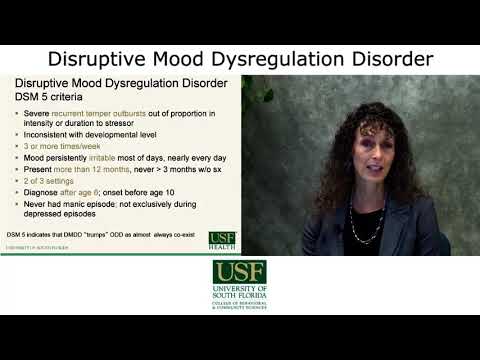
So, let’s chat about Disruptive Mood Dysregulation Disorder, or DMDD for short. It’s one of those labels that can feel a bit heavy, right?
Imagine this: you’re just trying to get through the day, but your mood swings feel like a rollercoaster. One minute you’re fine, and the next? Boom! Explosive anger or irritability hits outta nowhere.
If you’ve ever felt like that—or know someone who does—you’re not alone. Seriously! There are ways to help deal with it, and that’s what we’ll talk about here.
Ready to explore some effective interventions? Let’s dive in!
Top Effective Interventions for Managing Disruptive Mood Dysregulation Disorder (DMDD)
Disruptive Mood Dysregulation Disorder, or DMDD for short, is a condition often seen in kids and adolescents. It’s characterized by severe temper outbursts that are way out of proportion to the situation. So, when we talk about effective interventions, it’s super important to focus on strategies that can really help manage these mood swings.
One of the most common approaches is **cognitive behavioral therapy (CBT)**. This type of therapy helps kids learn how to understand their feelings and thoughts better. They can work on recognizing triggers that lead to outbursts. For instance, if a child gets really angry when they lose a game, CBT can teach them healthier ways to cope with that frustration, like taking deep breaths instead of screaming.
Another effective option is **parent training programs**. These programs focus on teaching parents how to respond positively to their child’s behavior. It’s all about reinforcing good behavior and setting clear expectations. Imagine a parent learning how to calmly redirect their child who is becoming upset at the playground—this kind of approach can make a world of difference.
Medication might also be part of the conversation when managing DMDD. While there isn’t a specific medication approved solely for DMDD, sometimes medications that treat anxiety or depression may help improve mood stability overall. It’s crucial though that any medication plan be supervised by a qualified professional.
Then there’s **mindfulness training** which has become pretty popular as well. This involves teaching kids techniques to stay present and aware instead of getting lost in their upset feelings. For example, they might learn how to focus on their breathing or visualize a calming place when they start feeling overwhelmed.
School-based interventions can also play a big role in helping manage DMDD symptoms. Collaborating with teachers and school counselors can ensure there’s support in place during school hours. Creating an environment where kids feel safe and understood often helps reduce disruption.
And let’s not forget about **social skills training**. Kids with DMDD sometimes struggle with friendships because their emotional responses don’t match social cues well, you know? Teaching them how to interact appropriately with their peers can lead to better relationships and less frustration during playtime or group activities.
In summary, managing DMDD isn’t just one-size-fits-all; it takes combination interventions tailored specifically for each child’s needs—and usually requires some teamwork from parents, schools, and therapists alike!
Understanding the Matthews Protocol for Managing Disruptive Mood Dysregulation Disorder (DMDD)
Disruptive Mood Dysregulation Disorder, or DMDD for short, can be really tough, especially for kids and their families. This disorder often shows up with severe temper outbursts and a persistently irritable mood. The good news is, there’s a method called the Matthews Protocol that can help manage these symptoms.
The Matthews Protocol focuses on a structured approach. It’s not just a random collection of strategies; it’s a comprehensive plan that tailors interventions to fit the unique needs of each child. Basically, it involves combining different therapies and behavioral strategies to tackle the emotional chaos.
- Cognitive Behavioral Therapy (CBT) – This therapy helps kids recognize and change negative thought patterns. Imagine your child always thinking things will go wrong. CBT encourages them to challenge those thoughts and replace them with more positive ones.
- Parent Training – Parents play a crucial role in managing DMDD. Training can provide you with practical tools to handle your child’s behaviors, helping to create a more stable environment at home.
- Medication – Sometimes doctors may prescribe medication, though it’s important to remember this isn’t always necessary or suitable for every kid. When used, it’s usually in conjunction with therapy.
- Bipolar Screening – Since DMDD symptoms can sometimes mimic those of bipolar disorder, part of the protocol includes careful screening for other mood disorders to ensure proper treatment.
The idea is that by using these combined methods, you create a support system that works better than any single approach could on its own.
Let’s talk about how this might look in real life. Picture a young boy named Tommy who has outbursts whenever he feels overwhelmed—like when his favorite toy breaks or his friends don’t want to play his game. Using the Matthews Protocol, Tommy’s parents would first learn new ways to respond instead of reacting out of frustration or anger themselves.
They might practice specific techniques from CBT with him at home—like recognizing when he starts feeling upset and using breathing exercises to calm down before things escalate. Over time, both Tommy and his parents develop skills together that make handling emotional storms less chaotic.
But here’s an important thing: consistency is key! Sticking with the protocol takes patience and effort from everyone involved.
So if you or someone you know is dealing with DMDD, remember there’s hope through structured techniques like the Matthews Protocol. It helps envision brighter days ahead—and who doesn’t want that?
Understanding DMDD: Common Misdiagnoses and Overlaps with Other Mental Health Disorders
Disruptive Mood Dysregulation Disorder, or DMDD for short, is a diagnosis that can be kinda tricky. It’s often confused with other conditions, which can lead to misdiagnoses. But understanding DMDD helps you spot the differences more clearly.
What is DMDD?
DMDD primarily affects kids and teens. Basically, it involves severe temper outbursts that are way out of proportion to the situation. You know how some kids just have bad days? Well, with DMDD, those bad days seem to happen all the time. The mood between outbursts is often irritable or angry.
Now here’s where it gets complicated: there are other disorders that might look like DMDD at first glance.
Common Misdiagnoses
First off, there’s Oppositional Defiant Disorder (ODD). Kids with ODD often have a pattern of angry mood and argumentative behavior towards authority figures. But unlike DMDD, their irritability isn’t really constant. They might be fine one moment and then act out when they don’t get their way.
Then there’s Attention-Deficit/Hyperactivity Disorder (ADHD). Some children with ADHD have trouble managing their emotions and could display explosive temper when frustrated. Here again, it doesn’t match the persistent irritability found in DMDD.
Mood Disorders can also cause confusion in diagnoses. For example, a child experiencing major depressive disorder might show irritability as a prominent symptom. But with DMDD, the key part is those volatile outbursts.
Another thing to consider is Anxiety Disorders. Sometimes anxiety can manifest as irritability in children too! Yet anxiety usually has more of a focus on fears or worries than on those explosive tantrums seen in DMDD.
So really—when diagnosing DMDD—professionals need to look at the entire picture and not just snap judgments based on some surface symptoms.
Overlap with Other Disorders
Misdiagnosing can lead to improper treatment plans which isn’t great for anyone involved! It’s important for clinicians to delve deeper because many kids may face a combo of issues at once—like having both ADHD and ODD along with potential mood dysregulation.
Plus, even though these disorders might share symptoms like irritability or anger issues, they can still have distinct treatment needs. You don’t want your kiddo ending up on meds that aren’t right for them just because one professional saw something different from another!
If you suspect DMDD in someone you care about? Make sure they see someone who really digs into their history and behaviors over time—a comprehensive evaluation helps avoid those messy misdiagnoses!
In short? Understanding DMDD means knowing its unique traits while recognizing how it overlaps—and sometimes collides—with other mental health disorders out there! So stay alert and informed; it makes all the difference when trying to find effective interventions for anything related to mood dysregulation!
Disruptive Mood Dysregulation Disorder, or DMDD as the cool kids call it, is one of those conditions that doesn’t get a ton of airtime but can seriously affect a young person’s life. It’s basically when kids and teens have severe temper outbursts that are way more intense than what you’d expect for their age. Just imagine a kid having a meltdown over something that seems trivial to us adults. It can be heartbreaking to see them stuck in that emotional storm.
Let me tell you about my friend Sam. He has a younger brother, Jake, who was diagnosed with DMDD. Sam often talks about how hard it is to watch Jake go through those wild mood swings. One minute he’s fine, and the next he’s screaming or crying uncontrollably over things like losing a toy or not getting his favorite snack. For Sam, it was tough not just on Jake but on the whole family. They often felt like they were walking on eggshells around him.
So, when we think about effective interventions for DMDD, we need to look at it from different angles. Therapy is usually a big part of the plan. Cognitive Behavioral Therapy (CBT) can help kids learn ways to manage their feelings better—kind of like teaching them how to put together a puzzle of emotions without losing their pieces all over the floor! CBT gives them tools to recognize triggers and find healthier ways to express themselves when they feel upset.
But it doesn’t stop at therapy. Family involvement is super important too! Sometimes families just need some guidance; working with parents can help everyone understand DMDD better and learn how to support each other without adding fuel to the fire during rough moments.
And guess what? There’s also this approach called Parent Management Training (PMT). It focuses on teaching parents how to handle outbursts positively and effectively—sort of like giving them a manual for handling tough situations without losing their cool or feeling helpless.
Medication can be part of the picture too—though that’s usually not the first go-to option. Some might need a little extra help from medication if mood swings are really extreme or if therapy alone isn’t enough.
The take-home message? Interventions for DMDD need teamwork! It’s like assembling an emotional support crew where everyone pitches in with unique skills—kids learning coping strategies, families showing understanding, therapists guiding the way, and sometimes even meds stepping in when necessary.
It may not be easy, but with the right approach and support system in place, kids like Jake can find paths toward better emotional regulation—and that gives not just them but their whole family hope for calmer days ahead!