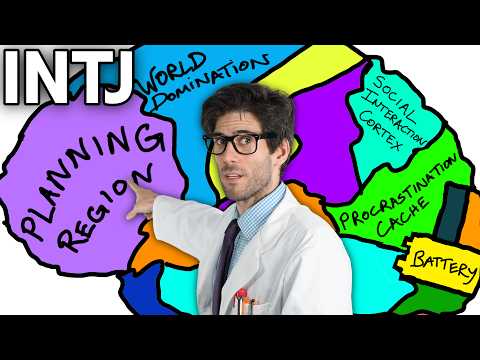
You know, personality tests are kinda like peeking into your own brain, right? They can be a little weird but also super enlightening. If you’ve ever taken the INTJ personality test, you probably found your results both fascinating and a bit unsettling.
The thing is, INTJs are often seen as these masterminds or strategists. But there’s so much more to it than just that stereotype! Behind that cool exterior can be some complex emotional stuff.
So, let’s dig into how being an INTJ can affect your mental health. Seriously, whether it’s feelings of isolation or pressure to always perform perfectly, it all ties in together. You might see yourself in some of these insights and feel a little more understood.
Exploring the Connection Between Personality Types and Mental Health Issues
So, you know how everyone’s got their own vibe, right? Some people are more laid-back, while others are total go-getters. This idea of personality types has a huge link to mental health. Let’s get into the nitty-gritty of how specific personality types, like **INTJ** (which stands for Introverted, Intuitive, Thinking, Judging), can connect with mental health issues.
First off, **INTJs** are often viewed as strategists. They love to dive deep into ideas and figure things out. But with that kind of analytical nature comes a few challenges. INTJs can sometimes feel overwhelmed by stress when there’s too much going on or when they’re faced with unexpected changes. I mean, picture someone making plans down to the last detail and then boom—something changes! That could lead to anxiety or feelings of inadequacy.
Another thing about **INTJs** is their natural introversion. They recharge by spending time alone, which is great! But it can also lead to isolation. If you’re spending too much time in your head without connecting with others…well, it’s easy to spiral into feelings of loneliness or depression. Seriously, I’ve seen folks withdraw and then wonder why they feel so down.
It’s also important to mention how INTJs approach relationships. They might struggle with emotional expression because they tend to prioritize logic over feelings. This can cause friction in friendships or romantic relationships if they’re not careful. You end up with misunderstandings or partners who feel neglected emotionally.
Moreover, **perfectionism** is another trait commonly seen in INTJs—hey, I get it! It’s awesome to strive for excellence but aiming for unrealistic standards can really take a toll on mental health. It could lead to burnout or even depression if they constantly feel like they’re falling short.
Lastly, let’s talk about coping mechanisms. Many INTJs lean toward self-sufficiency and prefer handling problems on their own rather than seeking help from others—which sounds admirable but isn’t always healthy! Opening up about mental health challenges is so essential; talking things through can lighten the load significantly.
In summary:
- Stress Management: INTJs thrive on control; unexpected changes can trigger anxiety.
- Isolation: Intense introversion may lead to feelings of loneliness.
- Relationship Struggles: Their logical approach may create emotional barriers.
- Perfectionism: Setting unattainable standards can result in burnout.
- Coping Mechanisms: Self-reliance might hinder them from seeking help.
Understanding these connections between personality types like **INTJ** and mental health makes it easier for both individuals and therapists alike to navigate challenges more effectively. You get it? It’s all intertwined—personality shapes our worldviews and struggles in really meaningful ways!
Exploring the Mental Strength of INTJ Personality Types: Myths and Truths
You know, when it comes to personality types, the INTJ crowd often gets a lot of attention. These folks are known as the «Architects» or «Masterminds.» They’re all about strategy and a bit of mystery. But let’s break it down and look at the mental strength of INTJs, while also busting some myths out there.
First off, INTJs are often seen as emotionless because they tend to prioritize logic over feelings. While it’s true that they process information through rational lenses, that doesn’t mean they don’t feel deeply. They just express emotions differently; maybe they won’t show it openly like others might. Like when I had a friend who was an INTJ—she had this laser focus on her goals but cared deeply for her family. You just had to know where to look.
Now, let’s talk about their independence. INTJs thrive on self-sufficiency. They often prefer working alone or leading projects rather than swimming in a sea of collaboration. This independence is where their mental strength shines; they trust their instincts and intellect to navigate challenges. But sometimes this can backfire when it leads to isolation or difficulty trusting others.
Another common myth is that all INTJs are socially awkward or introverted hermits. Sure, many might lean towards introversion since they recharge by being alone, but that doesn’t mean they can’t engage in social situations! My buddy from college was an INTJ who could light up any room when discussing his ideas—he just needed some downtime afterward to regroup.
INTJs also have high standards—not only for themselves but also for others. This can create stress in relationships because they expect people to function at the same level of competence they see in themselves. It’s like being on a team where everyone needs to bring their A-game! While striving for excellence is a form of mental resilience, it can lead to disappointment if others don’t meet those expectations.
In terms of mental health awareness, one thing that often gets overlooked is how much pressure INTJs put on themselves. Their ambition is admirable but can be exhausting if they don’t take breaks or seek support when needed. Like anyone else, it’s crucial for them to check in with their mental well-being and recognize when they’re getting close to burnout.
Overall, embracing your inner INTJ means understanding both strengths and weaknesses. Their strategic thinking and problem-solving skills are truly impressive! However, balancing those intense traits with emotional awareness and human connection is key.
To wrap it up: being an INTJ isn’t just about being smart or logical; it’s about navigating life with depth and acknowledging those emotional currents beneath the surface—a blend that’s super valuable for mental health awareness! Just remember that even though you might think differently from others, your contributions are unique and meaningful in their own right.
Exploring the Psychology of INTJ: Traits, Strengths, and Challenges
The INTJ personality type, known as «The Architect,» is one of the 16 personalities identified by the Myers-Briggs Type Indicator (MBTI). If you’re an INTJ or know someone who is, you might be curious about what makes this personality tick. So, let’s explore their traits, strengths, and challenges.
Traits
INTJs are often characterized by their analytical and strategic mindset. They like to think deeply about complex problems and can develop innovative solutions. A few common traits include:
- Independent thinkers: INTJs are not afraid to challenge conventional wisdom.
- Future-oriented: They’re often focused on long-term goals and planning.
- Logical: Emotions take a backseat; they prefer rationality over sentimentality.
- Highly organized: They love structure and tend to organize their thoughts methodically.
Imagine an INTJ working late into the night on a project they’re passionate about. They thrive when immersed in ideas, often losing track of time in their pursuit of knowledge or innovation.
Strengths
INTJs have some pretty impressive strengths that help them excel in various areas:
- Problem-solving skills: Their ability to dissect situations makes them excellent problem solvers.
- Visionary: They’re good at seeing the bigger picture while crafting detailed plans to get there.
- Skeptical yet open-minded: While they trust data over opinions, they’re still willing to consider new ideas if presented with solid evidence.
Let’s say there’s a group project at work. The INTJ might come up with a unique approach that no one else considered because they see angles others overlook.
Challenges
Of course, it’s not all sunshine and roses. Being an INTJ comes with its set of challenges:
- Difficulties with emotions: They may struggle to express feelings or understand emotional dynamics in relationships.
- A tendency toward perfectionism: This can lead to frustration when things don’t meet their high standards.
- Ineffective communication skills: Sometimes they can come off as aloof or overly critical during discussions.
Picture an INTJ friend frustrated because things aren’t moving fast enough or don’t meet their expectations—this might create tension in social settings.
Understanding the psychology behind being an INTJ can help both them and those around them navigate interactions better. It’s all about finding that balance between leveraging strengths while managing challenges. And hey, knowing these traits can really enhance mental health awareness too!
You know, personality tests can be kinda fun, right? They make us think about how we see ourselves and how we fit into the grand chaos of life. So, I recently stumbled upon the INTJ personality type, which stands for Introverted, Intuitive, Thinking, and Judging. For folks who identify with this type—often called «the Architect»—there’s a whole world of insights that can really touch on mental health awareness.
Honestly? The INTJ profile strikes me as a blend of fascination and isolation. Picture this: someone who spends their nights mapping out complex projects in their head while simultaneously feeling like they’re on a different wavelength than most people. It’s like sitting at a crowded party but feeling totally alone amidst all the chatter. Seriously!
Now, being an INTJ means you might process emotions differently than others. Instead of wearing your heart on your sleeve, you often analyze feelings logically and might prioritize solutions over empathy sometimes. This can be pretty beneficial—after all, who doesn’t want to solve problems? But it can also create some distance with people around you if they don’t understand that you’re not being cold; you just relate to emotions in a more cerebral way.
I remember talking to a close friend who’s an INTJ once about their struggle with social situations. They felt overwhelmed at times but couldn’t quite put into words why—which is tough when you’re expected to just “connect” with people effortlessly! Their mind raced with strategies to navigate interactions but left little room for spontaneity or emotional exchange, which made them feel frustrated and drained.
And here’s the kicker: understanding these nuances of the INTJ personality can actually pave the way for better mental health conversations—not only for them but for everyone around them too. Knowing that an INTJ might need more space to recharge or prefer direct communication could help bridge those gaps that typically lead to misunderstandings.
So yeah, diving into insights like this isn’t just fun trivia; it can seriously enrich our awareness of ourselves and each other in ways that drive kindness and patience in our interactions. Recognizing how diverse our emotional landscapes are helps normalize struggles and brings about genuine compassion—and hey, that’s something we could all use more of!