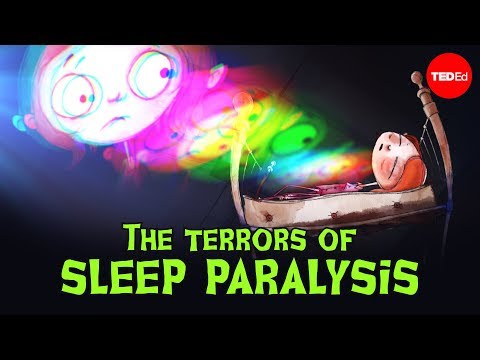
Ever wake up and feel, like, totally frozen? You can’t move or even scream, and there’s this weird presence in the room with you? Ugh, that’s sleep paralysis. It can be pretty terrifying.
Intruder sleep paralysis is a whole other level of spooky. Imagine not just being stuck but feeling like someone—or something—is watching you. Creepy, right?
So, we’re diving into what this experience does to your mind. Seriously, it can mess with your head in ways you wouldn’t expect! Whether it’s fear or confusion, the emotional rollercoaster is real. Let’s chat about all that and more!
Understanding Sleep Paralysis: Are Your Eyes Really Open During the Experience?
Sleep paralysis can be a pretty freaky experience, right? You wake up, and you can’t move or speak. It feels like you’re trapped in your own body. And to add to the creepiness, it often comes with a sensation of pressure on your chest or the feeling that someone is in the room with you.
Now, let’s tackle this question: “Are your eyes really open during sleep paralysis?” Well, it turns out that many folks report seeing their surroundings while they’re paralyzed. But here’s the kicker—you might think your eyes are open, but their state can be tricky. Sometimes people have partial control over their eye movements, but it’s more about the brain being in a strange state between being awake and asleep.
When you’re having an episode, your body is still mostly in sleep mode. This means certain parts of your brain that regulate movement are shut down temporarily. You know how you dream and sometimes feel those dreams as if they’re real? That’s similar to what’s happening during sleep paralysis. Your brain might create vivid images or even hallucinations while your body is immobile.
The psychological effects of this experience are significant too. Many people feel intense fear or anxiety when they go through it. Imagine waking up, unable to move, and feeling like there’s someone watching you—yeah, that could spike anyone’s heart rate! The presence of an “intruder” during these episodes leads some individuals to develop anxiety about going to sleep.
So why does this happen? There are a few potential triggers for sleep paralysis:
- Sleep deprivation: Not getting enough shut-eye can increase episodes.
- Irregular sleep patterns: Shifts in schedule or insomnia might contribute.
- Stress and anxiety: High stress levels often mess with our sleep.
- Sleeping on your back: Some studies suggest this position could increase occurrences.
Let me share a quick story. A friend of mine once told me about his experience with sleep paralysis. He woke up one night, couldn’t move at all, and felt this crushing weight on his chest. He swore he saw a shadowy figure sitting at the end of his bed. Even after he finally broke free from it and jumped out of bed, he felt terrified just thinking about sleeping again.
Overall, understanding sleep paralysis better can help ease some fears around it. Remembering that what you’re experiencing isn’t dangerous but more like a glitch during those transitions between stages of consciousness may lessen the stress next time you feel stuck between worlds! So if it ever happens again—try to take deep breaths and remind yourself it’ll pass soon enough!
Understanding Sleep Paralysis: What is the Average Age of Onset?
Sleep paralysis can be a pretty unsettling experience. You know, it’s that feeling when you wake up and you’re, like, totally aware but can’t move or speak? It’s almost as if your body forgot how to respond to your brain. One of the interesting things about this phenomenon is the age at which it tends to kick in.
Most people first experience sleep paralysis in their late teens or early twenties. But that’s not a hard-and-fast rule. Some might have their first episode earlier, around the age of 10 or even younger, while others may face it much later in life. So really, the average age of onset can vary quite a bit!
Now, why does that happen? Well, sleep paralysis is often linked to sleep deprivation, irregular sleeping patterns, and stress—basically stuff most people deal with at some point. So if you’re juggling school, work, and life’s everyday chaos during those teenage years, it makes sense that this is when it can hit.
It’s kind of wild how common sleep paralysis is too! Studies suggest it affects about 8%-50% of people at some point in their lives. Crazy right? Most will experience just one or two episodes and brush them off as weird dreams.
But anxiety and the thoughts swirling around us can definitely make things creepier. Some folks report feeling a weight on their chest or seeing shadowy figures during these episodes—a phenomenon known as intruder sleep paralysis. It can really spark panic since you’re caught between wakefulness and dreaming. That mix leaves your mind racing and your body frozen like a statue.
What you need to know is sleep paralysis itself isn’t harmful physically; it’s more about how it messes with your head emotionally’—and that’s where folks struggle sometimes. If you’ve had an episode that’s really bothered you, talking to someone might help ease the fear surrounding those experiences.
So if you’re wondering when this could pop up for you or someone else—just remember: there’s no one-size-fits-all answer here! People are all over the map with age and experiences related to sleep paralysis. And hey, knowing what’s happening might just take some of the scare away next time you find yourself wide awake but unable to budge!
Understanding Sleep Paralysis: Are You Truly Awake During the Experience?
Sleep paralysis can be a real trip, you know? It’s that weird moment when you wake up, but your body feels totally frozen. It might feel like you’re in some sort of nightmare, even if you’re technically awake. So what’s really going on when this happens?
First off, during sleep paralysis, your brain is alert while your body is still in that sleepy state. What happens is that when you wake up from REM sleep, the part of your brain that controls muscle activity takes a little longer to catch up. This means you’re aware of everything around you but can’t move a muscle. Frustrating, right?
Now let’s talk about the psychological effects because they can be pretty intense. Many people experience intruder hallucinations during sleep paralysis, which sounds terrifying. You might sense a presence in the room or even see shadowy figures looming over you. It’s not just your imagination—this happens for real! These experiences can lead to feelings of fear or panic.
Think about it: waking up and feeling like someone—or something—is watching you can send anyone into a spiral of anxiety. After these episodes, some folks might feel more anxious about sleeping again, worrying they’ll go through it all over.
Here are some key points to keep in mind:
Also, there’s science behind it! Stress and lack of sleep can increase the frequency of these episodes. Basically, the more exhausted or stressed out you are, the more likely sleep paralysis might strike.
When I was younger, I remember waking up one night and feeling totally aware but completely unable to move my arms or legs. I could’ve sworn I heard faint whispers around me—it was downright terrifying! It took me ages to feel comfortable going back to bed after that.
So understanding this phenomenon is crucial for just normalizing it as an experience rather than something supernatural or deeply concerning. Sleep paralysis isn’t fun by any means; however, knowing it’s just your body and brain being out of sync helps ease some fears.
If this has happened to you multiple times or if it’s really affecting your mental well-being—or heck even impacting your day-to-day life—chatting with a professional could be beneficial. They can help figure out ways to manage stress and improve sleep hygiene so those nights turn less spooky and more peaceful.
In short—yeah, you’re awake during sleep paralysis; it’s just the rest of you hasn’t gotten the memo yet!
You know that feeling when you wake up, but you can’t move? It’s like your body is still sleeping while your mind is wide awake. That’s sleep paralysis, and, man, it can be pretty intense. I remember this one time I had an episode. I was in my room, and suddenly I felt this weight on my chest. I wanted to scream, but nothing came out. It felt like someone—or something—was just watching me. When it finally passed, I was left shaken, trying to figure out what even happened.
Now throw in the concept of “intruder” sleep paralysis. That’s when people not only feel paralyzed but also sense a presence in the room with them. The thing is that when you’ve got hallucinations thrown into the mix—like shadows or figures looming over you—it’s no wonder so many folks end up feeling freaked out or even genuinely terrified.
What happens is this can seriously mess with your head over time. People might start associating sleep with fear instead of rest, which isn’t cool at all! You’re lying there at night, and instead of drifting off peacefully, you’re hyper-aware of every little sound around you. Stress and anxiety can creep in pretty easily if you’re worried about having another episode.
A lot of people don’t talk about these experiences because they think others won’t believe them or will just say it’s all in their heads—like it’s some kind of nightmare exaggeration. But those feelings are real! Research has shown that repeated episodes can lead to anxiety disorders or worsen existing mental health conditions.
If you ever find yourself stuck in that cycle of fear about going to bed because of past experiences with sleep paralysis or if it lingers like a shadow when you’re trying to catch some Zs—reaching out for help is super important. Therapy can offer a safe space for unpacking these experiences and figuring out ways to manage them better.
So yeah, sleep may be meant for recharging our minds and bodies—but if intruder sleep paralysis turns into a recurring nightmare for you, it’s essential to acknowledge those feelings and tackle them head-on before they take control.