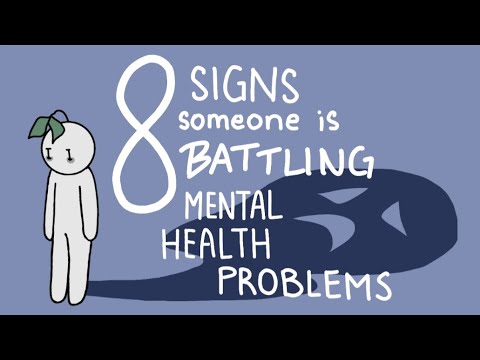
You know how sometimes you can’t shake the feeling that something’s just… off? Like, you’re sitting there, and your mind is racing with thoughts you can’t control. It’s like a movie playing in your head that you didn’t even choose.
That’s what we call intrusion symptoms. They sneak in when you least expect ‘em. And honestly, they can be pretty exhausting.
It’s not just about the big stuff – trauma or overwhelming stress. Even everyday anxiety can throw these pesky thoughts into the mix. You might wonder if it’s normal or just a sign of a bigger issue.
So let’s chat about this stuff! Recognizing those symptoms can be a game changer for your mental health journey.
Understanding Intrusion Symptoms: Signs, Effects, and Coping Strategies
Intrusion symptoms can be pretty overwhelming, you know? They’re those unwanted thoughts or memories that can pop into your head without warning. It’s like you’re just sitting there, minding your own business, and then BAM! You’re hit with something that makes your stomach drop. Let’s break this down a bit.
What Are Intrusion Symptoms?
These symptoms are often linked to trauma or stress. Think about it this way: if you’ve experienced something really tough, your brain might struggle to process it properly. As a result, you could have flashbacks or intrusive thoughts about the event. And this isn’t just annoying; it can seriously mess with your daily life.
Signs of Intrusion Symptoms
You might notice a few signs that point to intrusion symptoms. Let’s go through some of them:
For example, a friend of mine once went to the beach after having a rough experience there. She thought she was fine until she found herself panicking over the sound of waves crashing.
Effects on Daily Life
When these symptoms hit, they can really throw things off balance. They might affect how you relate to others. You could end up withdrawing from friends and family because it feels safer that way. Work could become challenging too; concentration may take a nosedive when intrusive thoughts keep sneaking in.
Moreover, they can lead to anxiety and depression if left unchecked. It’s like you’re caught in this loop where one symptom feeds into another.
Coping Strategies
Dealing with intrusion symptoms isn’t easy, but there are ways to cope:
When my friend started journaling after her beach incident, she noticed less tension because it gave her a way to process her feelings without judgment.
Reach out for support if things get too heavy. No one should face this kinda stuff alone! It’s totally okay to seek help from a mental health professional—they’re there for exactly this type of challenge.
So yeah, understanding intrusion symptoms is just one part of the journey toward feeling better. Keep in mind that everyone heals at their own pace!
Spotting the Signs: A Guide to Recognizing Mental Health Issues Early
Spotting signs of mental health issues can be tricky. You might feel off without knowing why. The thing is, recognizing these signs early can make a huge difference. It’s like noticing a small leak before it turns into a big flood.
Intrusion symptoms are one area where you really want to keep an eye out. These symptoms often pop up in conditions like PTSD or anxiety disorders. So, what are some things to look for?
- Constantly remembering a traumatic event: If you find yourself replaying a distressing memory over and over, it might be time to check in with yourself.
- Intrusive thoughts: Think about moments where your mind wanders to dark places without you wanting it to—like thoughts that stick around even when you’re trying to focus on something else.
- Nightmares: Bad dreams can shake you up and leave you feeling anxious during the day, too.
- Panic attacks: You might experience sudden episodes of intense fear or discomfort that can come with physical symptoms like racing heart or shortness of breath.
Picture this: a friend, let’s call her Jess, started having nightmares about an accident she witnessed years ago. At first, she brushed it off as just bad dreams. But then those dreams turned into panic attacks whenever she heard loud noises—a reminder of that day. Recognizing those signs helped her reach out for help before things spiraled.
But spotting these signs isn’t always easy; emotions can cloud your judgment. It’s natural to feel overwhelmed or think you’re just being dramatic. Yet, if something feels off—trust that feeling! Sometimes it’s our gut telling us to pay attention.
Another sign worth mentioning is disconnection from reality. This could mean feeling detached from your own thoughts or surroundings, almost like you’re watching life through a foggy window. If you’ve noticed that happening often—well—that’s another sign to consider.
So what should you do if you think you’re spotting these signs? Take it seriously! Talk to someone who can help, whether it’s a friend or a professional therapist. Opening up about how you’re feeling can be the first step toward understanding what’s going on.
And remember—mental health is just as important as physical health! You wouldn’t ignore persistent pain in your body; so why do the same with your mind? You deserve support and understanding when things get tough.
In short, catching intrusion symptoms early on makes all the difference in managing mental health challenges effectively; it’s all about listening to yourself and taking those initial steps toward healing!
Understanding the 3-Month Rule in Mental Health: Key Insights and Implications
The 3-Month Rule in mental health can be a bit foggy to grasp. Basically, it suggests that if symptoms of a mental health challenge like anxiety or depression stick around for more than three months, it’s time to take a closer look. It’s not just about feeling blue for a few weeks; it’s about patterns that could signal something deeper.
When we talk about **intrusion symptoms**, think of them like uninvited guests in your head. They can include unwanted thoughts or flashbacks that interfere with your daily life. So, when these kinds of symptoms hang around longer than three months, it might mean you’re dealing with something more serious, like PTSD or chronic anxiety.
- Recognizing Symptoms: The first step is knowing what you’re looking for. If you’re having repeated nightmares or can’t shake off distressing memories, those are clear signs to pay attention to.
- Impact on Daily Life: Consider how these symptoms affect your routine. Are you avoiding places that remind you of a traumatic event? That could be a significant red flag.
- Seeking Help: If these feelings linger, reaching out for support becomes crucial. It might feel daunting—like stepping into the unknown—but getting help early can prevent things from spiraling.
Now, it’s one thing to intellectually understand this concept and another to experience it. I remember chatting with a friend who had gone through a tough breakup. At first, she was sad for weeks—totally understandable. But then after three months, she still found herself stuck in a cycle of obsessive thinking about her ex. It was affecting her ability to enjoy hobbies and connect with others.
That’s when she realized she wasn’t just «sad,» but possibly experiencing something more entrenched. She sought therapy and found ways to process her feelings better. Seriously, taking that step made all the difference for her.
Ultimately, the 3-Month Rule serves as both a guideline and an invitation—to check in with yourself and see if those intrusive thoughts are more than just passing clouds in your mind’s sky. If they’re starting to feel like storm clouds hanging on too long? It could be time for some support or professional guidance.
In short, understanding this rule can help you—and those around you—recognize when it’s essential to take action so things don’t get worse than they need to be! Staying aware of how long emotional struggles last is key in navigating mental health effectively.
You know, recognizing intrusion symptoms can feel like a bit of a maze sometimes. It’s like when you’re wandering around your thoughts, and suddenly, BAM! Something pops into your head that just doesn’t belong there. These thoughts can be really unsettling. They might come out of nowhere, whispering doubts or fears that leave you feeling weighed down.
Let’s talk for a second about what intrusion symptoms actually are. Basically, they’re those pesky thoughts or memories that invade your mind when you least expect them. This could be anything from a flashback to an unpleasant experience to obsessive worries about things going wrong. It’s like the mind has its own playlist that keeps hitting “repeat” on the worst tracks, right?
I remember this one time, after a tough breakup, I was just chilling on my couch trying to enjoy my favorite show. But every time I’d start to laugh at something funny, my brain would rewind to moments of hurt and betrayal from the relationship. Super annoying! It felt as though my mind was playing tricks on me—every time I thought I was moving forward, it dragged me back into that emotional muck.
So why do these intrusions happen? Well, our brains are weird and complicated. They tend to latch onto negative experiences because they want us to learn from them—like a protective mechanism gone haywire! That’s what makes it challenging; you can’t just flick a switch and turn them off.
Sometimes, it helps to talk things out with someone who gets it—like a friend or therapist. Just saying those intrusive thoughts out loud can take away some of their power. They lose their sting when you shine a little light on them instead of keeping them locked inside.
Recognizing these symptoms is the first step in addressing them; awareness is key here—and let me tell you—it’s totally okay if it takes some time to untangle those feelings. You’re not alone in this! Embracing that discomfort and understanding it’s part of being human is so important for moving forward.
So next time those intrusive thoughts sneak in, take a breath and remember: they’re just thoughts—not the ultimate truth about who you are or what you’re capable of. Stay curious about them rather than letting ‘em run wild in your head! You got this!