You know how sometimes you just click with certain people? It’s like you understand each other without even trying. That’s the magic of personality types, like the MBTI.
But here’s the thing: it’s not just about knowing if you’re an introvert or extrovert. Understanding your type can actually help with your mental health.
Think about it. When you know what makes you tick, it’s easier to navigate life’s ups and downs. You can spot those emotional triggers and maybe even handle stress better.
I remember chatting with a friend who was having a tough time figuring out why she always felt drained after social events. Together, we discovered her type was more introverted. It clicked for her!
So, in this little exploration of MBTI and mental health, we’ll dig into how knowing yourself can make a real difference in your emotional well-being. Buckle up!
Understanding the MBTI Test: Its Role in Mental Health and Illness Assessment
The MBTI, or Myers-Briggs Type Indicator, is a personality test that’s super popular. It’s all about figuring out who you are based on your preferences in four different areas: how you get your energy (introversion vs. extraversion), how you take in information (sensing vs. intuition), how you make decisions (thinking vs. feeling), and how you like to organize your world (judging vs. perceiving).
You see, the thing is, the MBTI can sometimes help with understanding mental health, but it’s not a diagnostic tool like a therapist would use for anxiety or depression. Instead, it can provide insights into your personality traits and behaviors that might influence your mental well-being. Like, if you’re naturally introverted, you might feel overwhelmed in social settings. That kind of understanding can help you be kinder to yourself when you’re feeling drained after a party.
Now let’s break down some of the roles the MBTI plays in mental health awareness:
- Self-Reflection: One major benefit is that taking the MBTI can encourage self-reflection. When people look at their results and see certain traits reflected back at them, it can spark important realizations about their emotional and behavioral patterns.
- Communication: You can also improve communication with others by knowing each other’s types. For example, if you’re an INFP talking to an ESTJ, understanding those differences helps you navigate conversations better.
- Coping Strategies: Knowing your type can lead to discovering coping strategies that work best for you. An «N» type might benefit from creative outlets when stressed; they process things deeply compared to «S» types who may prefer practical solutions.
- Team Dynamics: In group settings—like work or therapy—understanding different personality types can enhance teamwork and support systems. It creates an atmosphere where each person’s strengths are recognized.
But here’s where it gets a bit tricky. The MBTI isn’t perfect! Some critics argue it’s too simplistic for real-life complexities because we’re all unique individuals with mixed traits regardless of our assigned type.
Let’s say you find out you’re an INTJ—great! But just because that letter combo suggests certain tendencies doesn’t mean every INTJ will behave exactly the same way or face the same challenges with anxiety or depression.
In reality, while the MBTI shines a light on personal preferences and tendencies, it should be viewed as just one piece of the puzzle when discussing mental health. There are also other factors at play—like genetics, environment, past experiences—which shape who we are.
One time I remember talking to a friend who took the MBTI and was shocked to learn she was more introverted than she thought! She had always considered herself sociable but felt drained after hangouts more often than not. Understanding her type gave her permission to take breaks and recharge without guilt.
So really? The MBTI is a neat tool for self-discovery but don’t rely solely on it for understanding mental illnesses or troubles! Think of it as part of a broader toolkit where therapy and professional assessments play key roles too.
In summary: exploring your personality type through the MBTI can offer useful insights into behavior patterns related to mental health. Just keep in mind its limitations and always pair such insights with deeper exploration if needed!
Exploring the Most Intuitive MBTI Types: Uncovering the Depths of Personality Insights
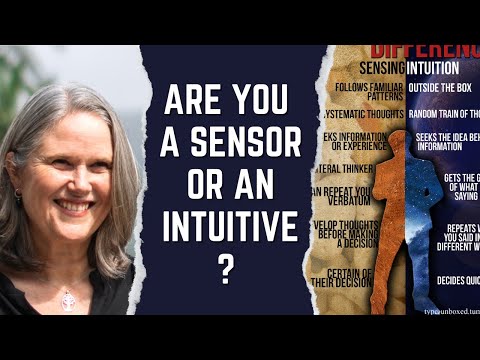
The MBTI, or Myers-Briggs Type Indicator, is this popular tool for understanding personality. It divides folks into 16 types based on four dichotomies. One of those dichotomies is the **Intuitive (N)** vs. **Sensing (S)** pair. Intuitive types tend to focus on possibilities, patterns, and the bigger picture. If you’re an N type, you probably like to think outside the box and explore abstract concepts more than just current facts.
So what are these intuitive types? They include **ENFP**, **ENTP**, **INFP**, and **INTP**. Each has its unique flavor but shares a common trait of being future-oriented thinkers.
ENFPs are enthusiastic and imaginative people. They thrive in environments where they can brainstorm and connect ideas spontaneously. One ENFP might be that friend who can generate five ideas for a weekend adventure in under five minutes!
Then you have ENTPs, who are like the ultimate debaters. They love to challenge ideas and explore different perspectives, sometimes just for the fun of it. Picture someone at a party sparking a lively discussion about philosophy while everyone else is chatting about last night’s TV shows.
INFPs are more introspective and value deep connections with others. You might find them scribbling poetry in their journals or dreaming up worlds where they can express their inner thoughts freely.
Lastly, there’s INTPs. These analytical thinkers enjoy solving complex problems using logic and creativity. You could say they’re the mad scientists of the MBTI world, always questioning how things work.
Now, if we talk about mental health awareness here, being intuitive can impact your emotional experiences significantly.
- Understanding Emotions: Intuitive types often feel deeply but may struggle to articulate those feelings clearly.
- Coping Mechanisms: They might rely on creative outlets for processing emotions or turn to daydreaming as a way out.
- Overthinking: The desire to explore possibilities means they can get stuck in their heads sometimes.
- Sensitivity: Intuitive folks may pick up on emotions from others easily, which can be overwhelming.
Basically, recognizing these tendencies can help N types navigate their mental health more effectively. For example, if you’re an INFP feeling overwhelmed by emotions but can’t explain why—hey! You’re not alone; it’s part of being intuitive! Focusing on self-expression through art or journaling could be really helpful.
And if you’re an ENTP who finds yourself overanalyzing every little conversation? Maybe good old-fashioned talking it out with a friend will lighten that mental load a bit.
So yeah, intuitive types have this rich inner world that’s just waiting to be understood—not just by themselves but also by others around them. Embracing your type can open doors for deeper insights into not only who you are but also how you connect with people in your life—and that’s huge when it comes to your mental well-being!
Exploring Self-Awareness: Which MBTI Personality Types Stand Out?
Exploring self-awareness can be a wild ride, right? You sit back, reflect, and suddenly you see your quirks and traits more clearly. Self-awareness is all about understanding your own thoughts, emotions, and behaviors. It can really boost your mental health! Now, when it comes to figuring out how people approach their feelings and interactions, the Myers-Briggs Type Indicator (MBTI) can be super helpful.
So let’s chat about which MBTI personality types really stand out when it comes to self-awareness. Basically, some types tend to dive deeper into introspection than others.
- INFPs are known for their rich inner worlds. Their feelings run deep and they often ponder their values and beliefs. Picture an INFP sitting in a cozy café, scribbling in a journal about their dreams and what truly matters to them.
- INTJs are the strategists of the MBTI world. They’re like chess players in life—always thinking three steps ahead! Their analytical mindset means they take time to chew over how they operate in relationships and work situations.
- ENFJs, the “teachers,” thrive on connecting with others. They often intuitively grasp other people’s emotions and motivations. That intense focus on others can also lead them to reflect on their own! Imagine an ENFJ organizing a workshop just to help people understand themselves better.
- INFJs, the advocates, have a natural knack for understanding complex emotions—both theirs and those around them. They can be very introspective because they want to make sense of it all. You might find an INFJ reading self-help books or engaging in deep conversations looking for meaning.
These types often engage in practices like journaling or therapy (you know those “What makes me tick?” sessions). Seriously though, sometimes you gotta sit back, take stock of things that hit home for you emotionally.
Now that we’ve covered some standouts, it’s important to remember that self-awareness isn’t limited to these types. Every personality can work on getting better at understanding themselves! Whether you’re an outgoing ESFP or a reserved ISTP—or anything in between—self-reflection is key.
Sometimes I think about this friend of mine who used to be pretty clueless about his emotional triggers (really!). Then he tried journaling after hearing how beneficial it was—and bam! It was like flipping a switch; he became way more aware of why he reacted certain ways during stressful times.
So yeah, regardless of where you fall on the MBTI chart, spending time getting cozy with your thoughts is always worthwhile. Finding what makes you tick isn’t just beneficial for yourself but also helps improve relationships with others too—it’s all interconnected!
At the end of the day, self-awareness is like holding up a mirror not just to see yourself but also everything around you clearer. And trust me; that clarity can do wonders for your mental health journey!
You know, when we chat about mental health, we often get wrapped up in the clinical jargon and the heavy stuff. But sometimes, taking a more intuitive approach can shine a light on things that might just be hovering in the background, waiting to be recognized. That’s where MBTI, or Myers-Briggs Type Indicator, kind of comes into play.
Let’s take a step back for a second. Those personality types—like INFP or ESTJ—aren’t just cool labels you can slap on yourself at parties to spark conversations. They really do help us grasp how different people experience emotions and deal with stress. It’s not like they define you completely or anything, but they give you some insight into your patterns and tendencies.
I remember a friend who was an INTJ. You know those people who are always planning five steps ahead? That was her. But she struggled with anxiety because she felt the weight of expectation all the time—like she had to have everything figured out immediately. Talking about her MBTI type helped her realize it wasn’t just her personality; it was also how she processed feelings and dealt with pressure. It clicked for her: she didn’t have to carry that burden alone.
And then there are those extroverted types who thrive off social interactions—like my buddy who’s an ESFP. He finds energy in crowds and can bounce back from tough times pretty quickly, usually by surrounding himself with friends. But that doesn’t mean he doesn’t face his own challenges, like feeling overwhelmed by high demands from his social life. Understanding that helped him set better boundaries.
Using MBTI as a tool for mental health awareness isn’t about boxing people in; it’s more like opening doors to self-discovery. You start seeing connections between your type and how you cope with stress or interact in relationships, which can be super enlightening!
Of course, it’s not perfect, right? It doesn’t cover everything about us as humans—but what if we could sprinkle some intuitive insights into our mental health journeys? You pick up on the ways your personality shape your emotional experiences and approaches to life—kind of like connecting dots on a canvas of your mind.
So, next time you’re thinking about your mental health or helping someone else out along their journey, maybe consider those MBTI insights as part of the toolkit. Seriously! They might help illuminate your path just a little bit more brightly than before.