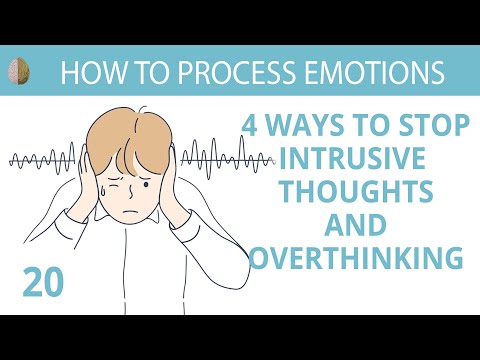
You know those moments when your brain just won’t shut up? Like, seriously. It keeps playing the same annoying song on repeat or throwing random, weird thoughts at you.
That’s what we call involuntary thoughts. They can pop up out of nowhere and mess with your day. Some people might even find them a bit scary or confusing.
But hey, it’s more common than you think! We’re all in this together, navigating the ups and downs of our minds. Let’s talk about it and make sense of this crazy landscape. Sound good?
Understanding Intrusive Thoughts: Common Examples and Coping Strategies
So, let’s talk about intrusive thoughts. You know, those random, sometimes weird or disturbing ideas that pop into your head without any warning? Yeah, they can be a real pain. It’s like you’re just enjoying a peaceful day when suddenly, wham! You’re thinking about something you definitely don’t want to think about.
These thoughts are totally normal, but can feel pretty overwhelming. Most people experience them at some point. They could range from the absurd—like worrying you might shout something inappropriate in a quiet library—to far more serious stuff, like fear of harming yourself or someone else. Seriously unsettling stuff.
One common example is when you’re driving and suddenly imagine swerving your car off the road. No one wants to think that way! But here’s the kicker: just because you think it doesn’t mean you want it to happen or that you’re a bad person. It’s all about how your brain processes thoughts—sometimes in super bizarre ways.
Another classic one? You might be sitting at home when out of nowhere, thoughts of your loved ones dying pop up. Honestly, it can feel like a punch to the gut and leave you feeling anxious for no good reason.
Coping with these intrusive thoughts can feel tricky at times because trying to push them away often just makes them stick around longer. It’s kind of like telling someone not to think about pink elephants—they’ll only focus on those elephants more! So instead of resistance, try some of these strategies:
- Acknowledge the Thought: Recognize that it’s just a thought—not reality! Remind yourself that everyone has these weird random ideas.
- Practice Mindfulness: Engage in mindfulness exercises or meditation where you let thoughts come and go like clouds passing by in the sky.
- Challenge Your Thoughts: Ask yourself what evidence supports this thought? Is it rational? Often you’ll find it’s based on anxiety rather than facts.
- Distract Yourself: Do something fun or engaging. Read a book, watch a great movie, or hang out with friends—anything that helps take your mind off things!
- Speak to Someone: Talking about what you’re experiencing with trusted friends or mental health professionals can help normalize it and reduce anxiety.
The key is understanding you are not alone. Everyone has strange thoughts sometimes—it’s part of being human. Just remember: having an intrusive thought doesn’t define who you are; it’s just part of the wild ride inside our minds.
If these thoughts become frequent and start disrupting your daily life—like making it hard to focus at work or enjoy time with family—it might be worth chatting with a therapist who can offer tailored strategies based on your situation. Mental health is all about finding what works for you!
You know? It’s totally okay to seek help if you’re feeling overwhelmed by those pesky little intrusions. Just take it step by step and give yourself some grace along the way!
Effective Strategies to Banish Intrusive Thoughts for Good
Intrusive thoughts can be like an unwanted guest at a party—loud, disruptive, and totally uninvited. Seriously, it’s tough when your mind is swirling with random thoughts that pop in and out of nowhere. You know what I mean? These thoughts can range from bizarre scenarios to worries about something that happened ages ago. So, what can you do about them?
First off, it’s important to understand that everyone experiences intrusive thoughts sometimes. That’s just part of being human. But for some, these thoughts can become overwhelming. The thing is, trying to fight them might not help at all—instead, you need some effective strategies.
Mindfulness is a great place to start. This isn’t just about sitting cross-legged and humming; it’s more like training your brain to notice the thought and then let it go without judgment. You can try focusing on your breathing or even observe your surroundings in detail—what colors do you see? What sounds are around you? This act of grounding yourself helps reduce the power those pesky thoughts have.
Another helpful technique involves cognitive restructuring. Basically, this means changing how you think about those intrusive thoughts. Instead of saying, “Oh no! Why am I thinking this?” try something like, “Okay, there’s that thought again.” By labeling it as just a thought—rather than something real or threatening—you create a bit of distance from the emotion attached to it.
You might also want to pick up some distraction techniques. Sometimes the best way to deal with an intrusive thought is to focus on something completely different! Maybe put on your favorite song and sing along or dive into a good book or movie. Engaging in activities that require concentration helps shift your mind away from those unwanted visitors.
Also, consider talking back to those intrusive thoughts with positive affirmations. When one pops up saying something negative—like “You’ll mess everything up”—counter it by affirming your worth: “I am capable,” or “I’ve handled challenges before.” It’s like having a little pep talk with yourself!
Journaling could also be beneficial for managing intrusive thoughts. Writing down what you’re thinking can help release those intense feelings and make them seem less overpowering. Plus, once they’re out on paper, they often lose their grip on you.
Lastly, if these strategies don’t seem to cut it—and trust me, sometimes they need time—it might be time to speak with a professional therapist who specializes in cognitive-behavioral therapy (CBT). They can provide tailored techniques that suit your specific needs better.
So remember: while intrusive thoughts may not disappear entirely overnight—and that’s okay—you have ways to manage them effectively! Just breathe and keep practicing those strategies that’s what matters most.
Effective Strategies to Overcome Nighttime Intrusive Thoughts for Better Sleep
So, you’re lying in bed, staring at the ceiling, and suddenly your mind decides it’s the perfect time to replay that awkward moment from five years ago or plan out every possible disaster for tomorrow. Nighttime intrusive thoughts can be a real pain. But there are some effective strategies you can try to help kick those pesky thoughts to the curb and get better sleep.
Understand Your Thoughts
First off, acknowledge that these thoughts are totally normal. Almost everyone deals with them at some point. You might be stressing about work or relationships, and your brain just won’t let it go. Recognizing that you’re not alone in this struggle can lighten the load a little.
Create a Wind-Down Routine
Establishing a relaxing bedtime routine can work wonders. Think of it like giving your brain a signal: “Hey, it’s time to chill.” This could be as simple as reading a few pages of a book, taking a warm bath, or practicing deep-breathing exercises. It helps shift your focus from the day’s stressors to something more calming.
Journal Your Thoughts
Here’s an idea: try journaling before bed. Write down what’s on your mind—those random thoughts that keep popping up or even tasks you have for tomorrow. Getting them out on paper can clear your head and make them feel less overwhelming.
Limit Screen Time
You know how scrolling through social media before bed sometimes makes everything feel more intense? Yeah, it’s true! The blue light from screens messes with our sleep hormones and keeps our minds racing. Turning off your devices at least an hour before sleep allows your body to wind down naturally.
Practice Mindfulness
Mindfulness techniques like meditation can help bring you back to the present moment instead of letting those intrusive thoughts spiral out of control. Even just focusing on your breath for five minutes can ground you, making it easier to drift off peacefully.
Progressive Muscle Relaxation
This method involves tensing and then relaxing different muscle groups in your body, starting from the toes and working up to the head—or vice versa! Doing this helps release physical tension that often accompanies anxious thoughts.
Create A Comfortable Sleep Environment
Your bedroom should feel like a cozy haven! Make sure it’s dark enough, quiet enough, and at a comfortable temperature for sleeping. Sometimes even the smallest things—like adjusting pillows or turning on white noise—can make big differences in how quickly you fall asleep.
The Real Deal About Thoughts
Remember: wanting those intrusive thoughts gone doesn’t mean they’ll just disappear overnight (pun intended). It takes practice and patience. If they persist despite trying these techniques or start affecting daily life too much, reaching out for professional help is always an option.
Combatting nighttime intrusive thoughts is definitely doable! By using these strategies consistently over time, you might just find yourself sleeping better—and feeling great about facing whatever comes next when morning rolls around.
You know those days where your brain seems stuck on a loop? Involuntary thoughts are like that annoying song you can’t get out of your head. And let me tell you, they can really mess with your day. These thoughts just pop in, often uninvited, and sometimes they cling on longer than you’d like.
I remember this one time I was walking to class, just minding my own business, when suddenly I thought about a random embarrassing moment from years ago. You know the kind? The ones that make you cringe even when you try to shake them off. It felt like my brain was saying, “Hey! Remember this? Isn’t it great?” Not great at all, actually! I couldn’t focus on anything else. It’s wild how our minds can drag us back to moments we’d rather forget.
Involuntary thoughts aren’t just about silly memories or embarrassing moments; sometimes they’re much darker. People dealing with anxiety or depression might find themselves caught up in negative spirals or intrusive thoughts that seem impossible to escape. It can be exhausting. And here’s the kicker: fighting them usually makes the situation worse—like trying not to think of pink elephants!
So what do you do? Well, acknowledging these unwanted thoughts is crucial. It’s okay to recognize they’re there without letting them control you; it’s part of being human! Mindfulness can really help here. You practice noticing thoughts without judgment and gently remind yourself that they don’t define who you are.
Talking about it with someone—a friend or a therapist—can also lighten the load. When you share those pesky thoughts out loud, they often lose some of their power over you. Like shining a light on creepy shadows in a dark room; suddenly they’re not so scary anymore.
Navigating this landscape is tough; it requires patience and kindness towards yourself. Life throws enough challenges at us without our own minds adding to the mix. So remember, it’s okay to have these involuntary thoughts flow through your mind—even if they feel heavy at times—you’re not alone in this experience!