You know, the whole idea of IQ is kinda fascinating, right? I mean, it’s like this number that tries to sum up how smart someone is. But it’s not just about test scores and brainy stuff.
It actually plays a role in mental health, too, which is something we don’t really talk about. Like, how does your IQ fit into your emotional world? That’s a big question.
Some folks might think they’re just numbers on a piece of paper. But when you dive into it, there’s so much more to unpack. So let’s chat about what the IQ level scale means and why it matters in the mental health scene!
Understanding IQ: Its Role and Impact on Mental Health
Understanding IQ can feel confusing sometimes, right? I mean, it’s one of those things that everyone talks about, but not everyone gets. So, let’s break it down and see how it relates to mental health.
What is IQ? It stands for Intelligence Quotient. Basically, it’s a score derived from standardized tests designed to measure a variety of cognitive abilities. Think of it like a snapshot of how someone processes information compared to others. But here’s the catch: IQ tests focus mainly on logical reasoning, math skills, and language abilities. So they’re not the whole story.
Now, where does mental health fit in? Well, people often think that a high IQ means you’re mentally healthy or better off in life. But that’s not really true. Having a high IQ doesn’t automatically shield you from mental health issues. For example, someone with a gifted IQ might still struggle with anxiety or depression. It’s kind of like having an amazing sports car but not knowing how to drive it properly.
IQ and its misconceptions can lead to tricky situations. Many people might judge others based solely on their test scores and overlook emotional intelligence or creativity—two things that aren’t measured by traditional IQ tests at all. Imagine someone who scores low on an IQ test but has incredible social skills or problem-solving abilities in real life! That person might thrive in certain environments where emotional understanding is key.
Now let’s get into some concrete effects of this whole IQ thing on mental health:
- Stereotypes: High-IQ individuals might feel pressure to always succeed or make perfect decisions because society expects them to.
- Isolation: Sometimes, those with very high intelligence can struggle to connect with peers and may feel lonely.
- Anxiety: The stress of constantly living up to expectations can lead to anxiety disorders.
- Diverse Strengths: Not every smart person excels in every area—their strengths may lie elsewhere outside conventional intelligence.
Here’s a little story: I once knew this guy in college who was brilliant—like genius level—but he struggled big-time with social situations. He would ace all his exams but felt completely lost when chatting with classmates at parties. He often told me he felt more comfortable discussing theories than making small talk over snacks! It just showed me how critical emotional skills are for overall well-being.
The bottom line? While understanding your own IQ can give insights into some aspects of your cognitive strengths, remember it’s just one piece of the puzzle when considering mental health. Life isn’t simply about being «smart» on paper—it’s also about navigating emotions and relationships. So let’s value every aspect of our human experience!
Understanding the Differences: Mental Ability Scales vs. IQ Tests Explained
When you hear about mental ability scales and IQ tests, you might think they’re pretty much the same, right? But, actually, they’re not! They serve different purposes and look at different things. Let’s break it down in a way that makes sense.
Mental Ability Scales are broad and assess various cognitive skills. They take into account things like reasoning, memory, problem-solving, and even verbal skills. These scales give a well-rounded picture of how someone thinks and learns in different areas.
For example, when I was in high school, my buddy struggled with math but was amazing at creative writing. If we used a mental ability scale on him, it would show those strengths and weaknesses instead of just giving a single number like an IQ test does.
On the flip side, IQ Tests are more focused. They aim to measure general intelligence through specific tasks that reflect reasoning abilities. The scores from these tests can give you an idea of where someone stands compared to the general population. Pretty straightforward, huh?
Now here’s where it can get confusing: IQ tests often focus on logic puzzles or spatial reasoning tasks—the kind of stuff you’d find on standardized tests at school. So if your strengths aren’t about logical reasoning or math skills, your score might not reflect your actual smarts or potential.
- Purpose: Mental ability scales paint a broader picture; IQ tests drill down to one score focused on reasoning.
- Content: Scales cover various cognitive areas; tests tend to zero in on logical tasks.
- Outcomes: Mental ability scales help understand learning styles; IQ tests categorize intelligence compared to peers.
So what does this mean in a real-world context? Well, let’s say you’re looking into support for a child who’s struggling in school. A mental ability scale could guide educators to tailor teaching methods that fit how this kid learns best—maybe they learn better through hands-on activities rather than sitting at a desk with worksheets.
But if you go straight for an IQ test without considering other factors like creativity or emotional intelligence (yep, that matters too!), it might not lead you anywhere helpful—just some numbers without context.
In the mental health space, both tools can be valuable but for different reasons. Understanding their differences helps professionals provide better support tailored to individual needs rather than relying solely on one type of measure.
Basically, think of these two as your brain’s report card: one checks overall performance in various subjects while the other gives you that grade for just thinking logically. And understanding both can make all the difference when it comes to navigating education or therapy options!
Understanding IQ Levels in Psychology: A Comprehensive Guide
Understanding IQ levels can feel a bit like wandering through a maze. There’s a lot of info out there, and honestly, it can be confusing. So let’s break it down, yeah?
First off, an IQ—short for Intelligence Quotient—is a score derived from standardized tests that measure human intelligence. Basically, these tests evaluate your ability to solve problems, understand complex ideas, learn quickly from experience, and adapt to new situations. So it’s not just about knowing trivia or being good at math; it encompasses a broader spectrum of mental abilities.
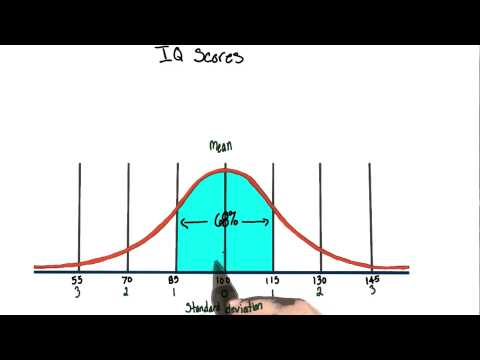
IQ Scale
The scale typically ranges from about 40 to 160. Generally speaking:
Now, you might wonder what this actually means in real life. Well, having a higher IQ often correlates with better academic performance and problem-solving skills. But that doesn’t paint the whole picture! You could ace every test but still struggle with emotions or social situations—something referred to as emotional intelligence.
Here’s the thing: an IQ test doesn’t measure creativity or practical skills either. Think about your friend who might just get “average” on an IQ test but can whip up gourmet meals or fix anything around the house without breaking a sweat—that’s talent too!
Cultural Biases
There’s also the elephant in the room—cultural biases in testing. Not everyone gets exposed to the same experiences or educational opportunities growing up. Sometimes an IQ score reflects cultural knowledge rather than pure intellect. This is super important when discussing mental health contexts because it can affect access to resources and services.
But hold up! Some folks argue that focusing solely on an IQ score can be misleading in evaluating someone’s potential or worth. It just doesn’t capture the whole person—what they feel, their experiences, their dreams.
In therapy settings or during evaluations for mental health issues like ADHD or learning disabilities, having an understanding of someone’s IQ score may be useful but shouldn’t be overly relied upon.
So basically, while IQ levels give you some insight into cognitive abilities, they’re not the whole story either. It’s like looking at one piece of a jigsaw puzzle—you need all the pieces to really see what the picture looks like!
In wrapping this up—IQ levels have their place in psychology and mental health discussions but remember: every person is unique with their own strengths and challenges beyond that number on a test!
So, let’s talk about IQ levels. You know, that number people throw around to measure intelligence? It can feel like one of those things you either get or you’re just kinda lost in the mix. But when it comes to mental health, it’s not just a number—there’s a lot more to it.
I remember a friend from college who always had this intense pressure around his IQ score. He was super smart, but sometimes he felt like that one number defined him. If he didn’t perform well on a test or in life, it really affected his self-esteem. You could see that stress bubbling up in him as he compared himself to others. It’s wild how we can tie our worth to something like an IQ score.
The thing is, IQ tests measure certain types of intelligence—like problem-solving and logical reasoning—but they don’t capture creativity, emotional intelligence, or any other quirky talent you might have. Those skills? They matter too and often play a huge role in how we connect with others and navigate life challenges. So yeah, it’s important to look at the bigger picture.
When you think about mental health contexts, it’s not about fitting into a box labeled «smart» or «not smart.» People with different IQ levels experience anxiety, depression, and all sorts of issues in unique ways. Higher scores might mean someone’s better at tackling academic challenges but doesn’t guarantee they won’t struggle emotionally.
Also, there are folks with lower scores who are incredibly resilient or have great social skills that help them thrive despite the odds stacked against them. It’s really about finding balance and knowing that everyone brings something valuable to the table.
So next time you hear someone mention IQ, remember it’s just a slice of who someone is—like one color in an entire painting. We’re all more complex than what any test can show us!