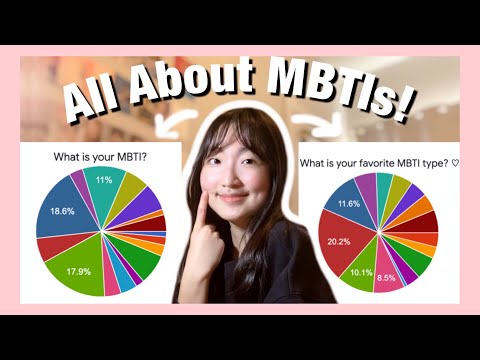
So, you know those personality tests? The ones that give you a peek into why you think and feel the way you do? Well, let’s chat about one called the MBTI—Myers-Briggs Type Indicator. It’s kinda like a fun little mirror reflecting your quirks and tendencies.
But here’s the thing: it goes deeper than just figuring out if you’re an introvert or extrovert. This tool can actually shape how you see mental health. Crazy, right?
Irene’s journey with her MBTI type is a great example of this. Her experiences make you think about how our personalities play into our emotional well-being.
So, grab a comfy seat! We’re diving into how Irene’s MBTI influences her views on mental health and, honestly, your own too!
Exploring Irene’s Personality: Insights into Character and Behavior
Sure! Let’s break it down. When we think about Irene’s personality through the lens of her MBTI type, we’re diving into a pool of insights that can really help us understand her behavior and emotional landscape.
Firstly, if you look at MBTI, or the Myers-Briggs Type Indicator, it’s all about categorizing how people perceive the world and make decisions. It splits personalities into different types based on four dichotomies: Introversion/Extraversion, Sensing/Intuition, Thinking/Feeling, and Judging/Perceiving. So when we’re talking about Irene’s MBTI type, it’s like shining a flashlight on her personality traits.
Let’s say Irene identifies as an INFJ. This means she’s likely a mix of being introverted, relying on intuition rather than just facts, driven by feelings in decision-making, and tends to judge situations carefully. Each piece contributes to how she interacts with others and navigates her own emotions.
Now, if we think about being an introvert—instead of drawing energy from big social gatherings, Irene might recharge by spending time alone or in small groups. You know how after a long day out you just want some peace? That’s often what introverts need to feel grounded again.
On the flip side, having that intuitive aspect means she’s probably good at seeing the bigger picture and grasping possibilities rather than getting stuck in details. Maybe she often sees connections between things that others miss—like how certain experiences can shape someone’s thoughts or feelings over time.
Now let’s talk about decision-making for Irene. If she leans toward feeling over thinking, this could mean that her choices are influenced more by emotions than cold hard logic. For example, if she’s faced with helping a friend in need versus meeting a deadline at work, her heart might lead her to prioritize helping even if it complicates things later on.
And then there’s the judging element—it points to someone who likes order and structure in their life. So you might find Irene creating detailed plans or schedules for her week ahead instead of winging it like some people do.
This blend of traits can have profound influences on mental health perspectives too. For instance:
- Empathy: With strong feeling tendencies, she may find herself more prone to absorbing others’ emotions.
- Burnout: The combination of introversion and high empathy could lead to burnout if she exhausts herself trying to be there for everyone.
- Conflict Avoidance: Due to valuing harmony (common for INFJs), she might shy away from confrontation even when necessary.
- Coping Strategies: Her intuitive side could encourage creative outlets like writing or art as ways to express complex feelings.
When you put all these pieces together—introversion making her reflective but potentially isolated; intuition allowing deep insights; feeling opening up emotional avenues; judging fostering structure—you start to see a nuanced picture of who Irene is.
It shapes not only how she views herself but also affects relationships—with friends wondering why she sometimes withdraws or colleagues sensing she’s got deeper layers beneath that calm exterior.
So anyway, understanding these elements can really give us a clearer lens into both Irene’s character and behavior as well as how they impact her mental health outlooks!
Exploring Irene’s MBTI Personality Type: Insights and Implications for Mental Health
Let’s chat about Irene’s MBTI personality type and how it ties into her mental health. The Myers-Briggs Type Indicator (MBTI) is all about figuring out how people perceive the world and make decisions. It’s based on four dichotomies: Introversion/Extraversion, Sensing/Intuition, Thinking/Feeling, and Judging/Perceiving. Each person gets a four-letter code that highlights their preferences.
If we take a look at Irene, let’s say she falls into the INFP category—Meaning she’s likely to be more introverted, feel things deeply, and have a strong personal value system. This makes her empathetic and creative, but it can also lead to some unique challenges when it comes to mental health.
- Emotional depth: Being an INFP means Irene probably feels emotions intensely. While this can lead to great creativity, it also means she might struggle with feelings like sadness or anxiety more than others might.
- The need for authenticity: If she values staying true to herself, this can create stress when faced with situations that feel inauthentic or forced. For example, a job that doesn’t align with her values could leave her feeling drained.
- A tendency toward isolation: Introverts recharge alone but too much solitude can exacerbate feelings of loneliness or depression. So for Irene, finding balance is key—like setting up regular hangouts with friends.
- Conflict avoidance: With a strong emphasis on harmony, she may avoid confrontations even when they’re necessary. This could lead to unresolved issues piling up, which isn’t great for mental wellness.
Irene’s personality type impacts not just her daily life but also how she interacts with those around her. You know how some people seem naturally drawn to help others? INFPs often fall into this category, but sometimes they might forget their own needs while trying to support friends or family. It’s essential for them to recognize that putting themselves first isn’t selfishness—it’s crucial for maintaining their mental health!
Your personality type influences coping mechanisms too! If Irene finds herself feeling pressured or overwhelmed, rather than seeking help from someone else right away, she might retreat inwardly for self-reflection. While this works sometimes, it could turn into rumination if not monitored closely.
The thing is… self-awareness is powerful! When people like Irene understand their personality type better—how they tick emotionally—it becomes easier for them to manage stressors. They can practice things like mindfulness or journaling as outlets instead of bottling things up.
So looking at how Irene’s MBTI impacts her mental health isn’t just about labels; it really highlights aspects of her emotional landscape that are worth exploring in therapy too! Engaging with these ideas can help you grow and deepen both self-understanding and relationships with others—a win-win situation!
The Origins of the MBTI: Unveiling the Myers-Briggs Type Indicator’s Development
The Myers-Briggs Type Indicator, or MBTI, is a popular personality assessment tool that categorizes people into 16 distinct types. Its roots go back to the early 20th century, with two key figures at the helm: Isabel Briggs Myers and her mother, Katharine Cook Briggs. They were inspired by the psychological theories of Carl Jung, a Swiss psychiatrist whose ideas about personality types laid the groundwork for what MBTI would become.
Jung’s Influence
Carl Jung introduced concepts of introversion and extraversion, along with functions like thinking, feeling, sensing, and intuition. This was groundbreaking stuff! You might find it interesting that Myers and Briggs aimed to make Jung’s theories more accessible to everyday folks. They believed understanding yourself could enhance personal development and improve relationships.
The Development Process
In the 1940s, during World War II, Briggs and Myers really got to work on their assessment tool. The idea was to help match women entering the workforce with suitable jobs based on their personality preferences. Imagine thousands of women taking on roles outside the home for the first time – this was transformative! So they created a questionnaire that aligned people’s preferences with specific job types.
Key Features of MBTI
You see, the MBTI sorts individuals into these 16 types by measuring four dichotomies:
- Introversion (I) vs. Extraversion (E): Where do you get your energy from?
- Sensing (S) vs. Intuition (N): How do you prefer to take in information?
- Thinking (T) vs. Feeling (F): How do you make decisions?
- Judging (J) vs. Perceiving (P): How do you like to organize your world?
Each letter combination creates a unique profile that helps explain how people view themselves and interact with others.
The Impact on Mental Health Perspectives
While some love using MBTI for self-discovery and career guidance, it’s not without controversy among mental health professionals. Critics argue it oversimplifies complex human behaviors into neat little boxes – but hey, sometimes we crave simplicity! Others point out that these categories can help individuals understand their emotional experiences better.
For example: suppose someone identifies as an INFP (Introverted-Intuitive-Feeling-Perceiving). This type might lean towards empathy and creativity but struggle with assertiveness in social settings. Recognizing this can lead to more thoughtful approaches in therapy or personal growth.
To sum it up: The MBTI’s origins are deeply rooted in psychological theory but its real-world applications have morphed over time. It remains a popular tool for understanding personality despite ongoing debates about its validity.
Whether viewed as a helpful guide or an oversimplified system, one thing’s clear: knowing more about your personality type can spark meaningful dialogue around mental health and individual perspectives – which is pretty cool if you ask me!
So, you know the MBTI, right? It’s that personality test that puts you into one of 16 categories based on how you see the world and make decisions. A lot of folks find it super interesting—like a fun little window into themselves. But what about when you dig deeper and think about how it can shape your views on mental health? Let’s get into that.
Take Irene, for example. She’s an INFJ, which is often labeled as the «Advocate». INFJs are known for being idealistic, sensitive, and pretty intuitive. Now, imagine growing up with that kind of personality wiring. You might feel a lot—like really a lot—and when life hits hard, it can feel overwhelming. Irene often found herself trying to help friends navigate their emotional struggles because she could practically feel their pain. But here’s the kicker: her intense empathy sometimes led to her feeling burnt out or even anxious about not being able to solve everyone’s problems.
When you look at it through the MBTI lens, it’s clear how Irene’s personality type influences her mental health perspective. She tends to prioritize deep connections and meaningful conversations over small talk. And while that’s amazing for building relationships, it can also mean she may shy away from expressing her needs or feelings when she’s overwhelmed. Ever been there? It’s like holding a beach ball underwater—you can only do it for so long before something gives way.
But here’s where things get interesting! Understanding her type helped Irene in recognizing her emotional patterns and needs better. She figured out that sometimes saying “no” or stepping back is just as important as helping others out. The self-awareness that came from understanding herself through MBTI gave her tools to manage anxiety and set boundaries—a crucial part of maintaining mental health.
However, it’s not all sunshine and rainbows; some folks argue that pigeonholing yourself into a specific category can actually limit your growth or make you feel boxed in. I mean, we’re complex beings with fluid emotions! So while being an INFJ offers insights into why she acts or feels a certain way, it shouldn’t be an excuse for ignoring broader mental health issues.
At the end of the day, incorporating MBTI into your understanding of yourself—like Irene did—can be beneficial but should be taken with a grain of salt. It’s all about balance: Use those insights to grow but remember you’re more than just a four-letter acronym! Honestly, finding harmony between personality traits and mental health perspectives might just be one of the most empowering journeys we can take together. What do you think?