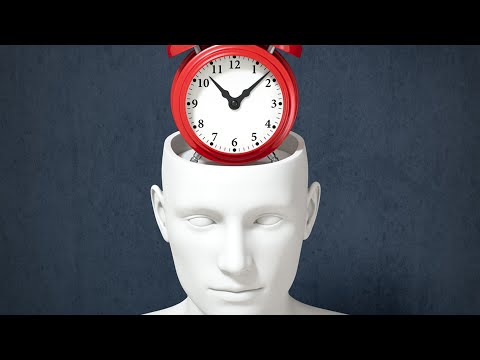
You ever have one of those nights when you just can’t sleep?
Like, you’re tossing and turning, and your brain is running a marathon.
Or maybe you crash at 3 PM because you didn’t get any good rest? It’s frustrating, right?
Well, that’s what happens when your body clock goes a little wonky.
Irregular circadian rhythms can mess with more than just your sleep. Seriously, they can take a toll on your mental health too.
Imagine feeling anxious or down for no clear reason—sounds rough, huh?
Let’s chat about how this all connects and why it matters.
Understanding the Impact of Circadian Rhythm on Mental Health: Key Insights and Benefits
Your circadian rhythm, or your body’s internal clock, plays a major role in how you feel each day. It helps regulate sleep, hormonal levels, and even mood. So, when this rhythm gets out of whack—like staying up too late or shifting work hours—it can really mess with your mental health. You follow me?
Basically, an irregular circadian rhythm can lead to a bunch of issues. You might feel anxious, depressed or just really off. It’s like being on a rollercoaster where you can’t predict when the next drop is coming. Let’s look at some ways this plays out:
- Sleep disorders: If your sleep schedule is inconsistent, it can bring on insomnia or even excessive sleeping. Both are linked to anxiety and depression.
- Mood swings: Your mood is influenced by how well you’re sleeping. A messed-up rhythm often results in irritability and mood fluctuations.
- Cognitive functions: You know that foggy feeling you get after a bad night’s sleep? That can impact memory, focus, and decision-making.
- Stress levels: Lack of sleep raises cortisol levels—the stress hormone—impacting overall mental health.
Take Sarah, for example—a friend who used to party late into the night every weekend. She thought she was fine until she noticed she was always anxious during the week and struggled concentrating at her job. Turns out her irregular sleeping hours were keeping her from feeling rested and happy.
The good news is there are benefits to getting your circadian rhythm back on track! You might notice:
- Better sleep quality: Regular sleep patterns can lead to deeper rest periods.
- Improved mood: With better sleep comes a sense of calmness and emotional balance.
- Enhanced cognitive function: Getting enough consistent rest means better focus and memory.
- Lower stress levels: Balancing your rhythm might help keep cortisol from spiking out of control.
You don’t have to be perfect about it! Small changes—like setting a regular bedtime or cutting back on screen time before bed—can make a big difference over time.
The thing is: our bodies thrive on routine. Tuning into your own natural rhythms could be just what you need to boost your mental health. So if you’re feeling a bit off-kilter lately, maybe it’s time to take a closer look at your daily schedule!
How Circadian Rhythm Disruption Impacts Mental Health: Understanding the Connection
You know, our bodies have this amazing internal clock called the circadian rhythm. It kinda tells us when to sleep, eat, and do all those other things that keep us functioning. But what happens when that clock gets messed up? Well, let’s break it down.
When your circadian rhythm is disrupted, like from shift work or too much screen time at night, it can lead to **serious mental health issues**. You might find yourself feeling anxious or even depressed more often than usual. That’s because our brains thrive on routine and predictability. When we throw that off balance? The results can be pretty rough.
- Sleep Disorders: A disrupted circadian rhythm can lead to insomnia or poor-quality sleep. If you’ve ever tossed and turned all night, you know how cranky and unfocused you feel the next day.
- Mood Swings: Lack of sleep affects our mood regulation. You might notice you’re snapping at friends or feeling down for no reason at all.
- Cognitive Decline: When you’re not sleeping well due to a messed-up internal clock, your brain just doesn’t work as efficiently. This means trouble with memory and concentration.
- Anxiety: It’s pretty common for people with irregular sleep patterns to feel more anxious. Your body needs that downtime to recharge—when it doesn’t get it, anxiety can creep in.
Let me share something personal here: I once had a friend who worked nights at a restaurant. She thought she could just power through it without much change in her routine during the day—big mistake! Over time, she started feeling irritable and exhausted; her anxiety levels shot through the roof, which affected her job performance and relationships.
Another thing to consider is light exposure, especially blue light from screens. It tricks your body into thinking it’s still daytime! So if you’re binge-watching shows right before bed? You’re telling your brain not to sleep when really you need that rest.
Stress can make all this worse too. If you’re working crazy hours and then trying to catch up on sleep during the day? Good luck! Your body gets so confused about when it should be awake versus asleep; it’s like trying to solve a puzzle with missing pieces.
In summary, keep an eye on your circadian rhythm—it plays a huge role in mental health! Try maintaining a consistent sleep schedule if possible; your mind will thank you later!
Understanding the Health Consequences of Circadian Rhythm Disruption: A Deep Dive into Mental Well-Being
You might’ve heard about **circadian rhythms**, but do you know how important they are for your mental health? Basically, circadian rhythms are like your body’s internal clock. They regulate when you sleep, wake up, eat, and even when you feel alert or tired. When this clock gets messed up—say, from working night shifts or binge-watching your favorite show till 2 AM—it can really throw you off.
One big consequence of **irregular circadian rhythms** is that they can mess with your mood. You might feel more anxious or even depressed when you’re out of sync with your natural sleep-wake cycle. Imagine one night tossing and turning in bed, staring at the ceiling and feeling overwhelmed by everything that’s going on in life. That’s what happens when you don’t get enough quality sleep or have a messed-up daily rhythm.
Another issue is cognitive function. If you’re not sleeping well due to an irregular schedule, your brain doesn’t get enough time to recharge. This means problems with memory, focus, and decision-making can creep in. Ever had one of those days where everything feels foggy? Yeah, that’s often a result of not sticking to a regular sleep schedule.
Now let’s break it down a bit more:
- Sleep Disorders: Conditions like insomnia or sleep apnea can be triggered by disrupted circadian rhythms.
- Anxiety & Depression: Research shows that these mental health issues can be exacerbated by irregular sleep patterns.
- Cognitive Impairment: Lack of steady sleep leads to forgetfulness and trouble concentrating.
Think about how simple things can affect this rhythm too. Stress from work or personal life can lead you to stay up late worrying instead of hitting the hay early. It becomes a vicious cycle: stress makes it hard to sleep; poor sleep makes you more stressed!
So what can you do about it? Creating a healthier routine is key! Going to bed and waking up around the same time every day—even on weekends—helps reset that internal clock.
Getting sunlight during the day plays an enormous role too; natural light signals your body that it’s time to be awake! And when evening rolls around? Try dimming those lights and putting away screens an hour before bedtime for better shut-eye.
In summary, maintaining proper circadian rhythms isn’t just about catching Zs at the right times—it’s crucial for preserving mental well-being too! If things start feeling out of whack mentally, look at your schedule first; it could just be a case of needing better rhythm in life!
You know that feeling when you’ve been staying up late, binging a show, and the next day you’re just a wreck? Your brain feels like mush, and everything seems a little harder to handle. That’s kind of what happens when your circadian rhythm goes out of whack.
Circadian rhythms are those internal clocks we all have; they tell our bodies when to sleep, wake up, eat, and all that good stuff. But sometimes life throws us curveballs—like long work hours, crazy travel schedules, or just the lure of that next episode—and suddenly, we’re not aligned with our natural rhythm anymore.
When your sleep cycle gets messy, it can seriously mess with your head. It’s like trying to walk on a tightrope while someone keeps shaking it. You might feel more anxious or even a little depressed. Studies show that irregular sleep patterns can increase the risk of mood disorders. So if you’re finding yourself feeling low or anxious after weeks of inconsistent sleep schedules? It’s not just in your head—it could be your body screaming for some balance.
A friend of mine used to pull all-nighters for work. She thought she was being super productive but ended up battling anxiety and fatigue daily. It was tough to watch her spiral because she didn’t realize how much her erratic sleep was affecting her mood—until she finally tried sticking to a regular bedtime routine. It was amazing to see how much her mental health improved once she prioritized sleep.
Plus, our brains use sleep time to process everything we’ve experienced during the day; it’s kind of like hitting «save» on your daily files! If you’re not giving it that time to reboot properly, you end up feeling foggy and irritable instead of sharp and energetic.
So really, taking care of your circadian rhythm isn’t just about getting enough Z’s; it’s integral for keeping your mental well-being in check too. Maybe it’s worth carving out some time for yourself at night—turning off screens earlier or sticking to a consistent bedtime—to help find that balance again. Who knew something as simple as sleeping could impact so much?