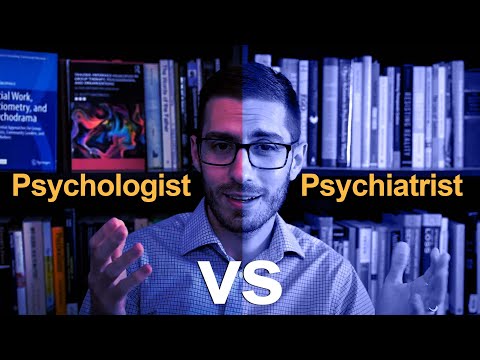
So, you’re curious if psychiatrists and therapists are like, the same thing? You’re not alone! It’s a common question that pops up when people start exploring mental health.
Honestly, it can feel kinda confusing. Both play super important roles in helping folks feel better, but they aren’t exactly interchangeable.
Let me tell you, there’s a whole world behind those titles. And figuring out who does what can seriously make a difference in your journey toward feeling good. So, let’s break it down!
Understanding the 3-Month Rule in Mental Health: Key Insights for Emotional Well-Being
So, let’s chat about this thing called the **3-Month Rule** in mental health. It’s something you might not hear about every day, but it definitely plays a role in how you approach emotional well-being and mental health care. This concept often pops up when people are trying to figure out the best way to get help or when they’re weighing their options between psychiatrists and therapists.
First off, what is the 3-Month Rule? Essentially, it’s a guideline that suggests if you’ve been struggling with a specific mental health issue for three months or longer, it might be time to seriously consider seeking professional help. This isn’t just some flaky rule; it’s based on the idea that many emotional challenges tend to linger. If they do, it could mean they need a deeper dive beyond just casual coping strategies.
Let’s say you’re feeling persistently sad after losing a job. If it drags on for more than three months without any improvement—despite trying things like talking to friends or reading self-help books—this is where the 3-Month Rule comes into play. It indicates that your feelings are more than just normal ups and downs of life; they may be signs of depression or anxiety needing professional guidance.
Now, here’s where it gets interesting when we talk about the difference between psychiatrists and therapists. Many people don’t realize these two roles are actually quite distinct in mental health care. A psychiatrist is typically a medical doctor who can prescribe medication. They often focus on more severe conditions and use medications as a significant part of treatment.
On the other hand, therapists—like psychologists or licensed clinical social workers—tend to offer talk therapy instead of meds. They help you work through emotions and thought patterns using various approaches such as cognitive-behavioral therapy (CBT). So if your situation has been sticking around past that three-month mark, you might want to think about whether medication could give you an extra boost—or if talking things out with a therapist would serve you better.
Here are some key points to remember about this 3-Month Rule:
- It signals urgency: Persistent struggles can mean it’s time for serious intervention.
- Professional help matters: Psychiatrists can prescribe meds; therapists will help with coping skills.
- Your history counts: Previous issues might influence how long you wait before seeking help.
- No shame in asking: Seriously! There’s no badge for suffering alone.
Sometimes people worry about waiting too long before reaching out for help. You don’t wanna get stuck in the waiting zone while emotional distress builds up inside you. Think of reaching for support as an act of kindness towards yourself—it doesn’t mean you’re “failing.”
But let’s address something real quick: why do some people hesitate even after recognizing they’ve hit that three-month mark? It could be fear of stigma, lack of resources—or maybe not knowing where to start caring for their mental health journey.
The bottom line here? The 3-Month Rule can serve as your friendly nudge toward seeking support if things aren’t improving on their own. Remember that getting help early can make all the difference!
So next time those feelings stick around longer than you’d like, think about what you’ll do next. Reaching out doesn’t have to feel daunting—it could open doors leading back to lighter days ahead!
Understanding the Differences: Therapist, Psychiatrist, and Psychologist Explained
So, let’s chat about the differences between therapists, psychiatrists, and psychologists. It can be super confusing, especially when you’re trying to figure out who to see for mental health concerns. But don’t worry; I’ll break it down for you.
Therapists is a broad term that usually refers to anyone who provides mental health treatment through talk therapy. This can include social workers, marriage and family therapists, counselors, or even some psychologists. Basically, they help you process your feelings, manage stress, or work through life challenges.
Think about it like this: imagine you’re talking to a good friend about your struggles; that’s kind of what therapy feels like—just with someone trained to help you navigate those emotions and thoughts.
Next up are psychologists. These professionals also do talk therapy but often have a PhD or PsyD in psychology. They dive deeper into understanding how the mind works and may conduct assessments or tests.
Picture a psychologist as someone who might study why people feel anxious before public speaking. They get into the nitty-gritty of thought processes and behaviors while helping you figure out ways to cope.
Now let’s chat about psychiatrists. These folks are medical doctors who specialize in mental health. So yes, they went to med school! Because they’re doctors, psychiatrists can prescribe medications alongside providing therapy.
You could think of a psychiatrist like your go-to doctor for something physical but focused on mental ailments. If you’re struggling with something that might need medication adjustment along with talk therapy—like depression that isn’t getting better—you’d see a psychiatrist.
So here’s the scoop on how they all fit together:
– **Therapists** mostly provide counseling.
– **Psychologists** offer deep insights into behaviors and thoughts through assessments.
– **Psychiatrists** manage medications as medical doctors specializing in mental health issues.
In some cases, people find it helpful to see both a therapist and a psychiatrist—one for meds and another for talk therapy. This combo can really help people make progress in their mental health journeys.
Understanding these differences matters because finding the right kind of support can make all the difference! So whether you’re seeking someone to listen or needing medication adjustments plus empathy—you’ve got choices!
Choosing Between a Therapist and Psychiatrist: Which Mental Health Support Is Right for You?
Choosing between a therapist and a psychiatrist can feel pretty overwhelming. Like, where do you even start? Both are important for mental health, but they play different roles. So let’s break it down so you can get a better idea of what you might need.
First off, therapists are usually the folks you talk to when you’re working through emotional issues or life challenges. They use talk therapy techniques to help you explore your thoughts and feelings. There are different types of therapists—like psychologists, social workers, or licensed counselors. They’re trained to help you cope with things like stress, anxiety, depression, and relationship issues.
On the other hand, psychiatrists are medical doctors. That means they can prescribe medication if it’s needed. They often focus on diagnosing and treating mental health disorders, looking at how those disorders affect your brain chemistry and overall health. So if you’re dealing with more severe conditions like schizophrenia or bipolar disorder, a psychiatrist might be who you want to see.
Now let’s talk about why this choice matters for you personally.
When you’re feeling low or overwhelmed—maybe after a tough breakup or losing a job—talking to a therapist could be really helpful. They provide coping strategies and support as you work through those issues step by step. You’ll likely have regular sessions where the focus is on your feelings and behaviors.
But sometimes those feelings come from something deeper that might require medication to handle effectively. Say you’ve been feeling super anxious for months; that could lead you to consider seeing a psychiatrist because they can evaluate whether medication might help ease those symptoms while you’re also in therapy.
Here’s where it gets interesting: some people find that combining both options works best for them. Imagine you’re seeing a therapist weekly for talk therapy but also checking in with a psychiatrist every couple of months to adjust any meds if needed—that’s totally valid!
So how do you know which one is right for you? Here are some things to think about:
- What are your main concerns? If they seem more emotional and situational, go for a therapist.
- If symptoms feel physical too—like fatigue or changes in sleep patterns—you might need a psychiatrist’s input.
- Do you want talk therapy only? Stick with therapists; they can help with processes like cognitive-behavioral therapy.
- If you’ve tried therapy but feel stuck because mood swings hit hard—then it may be time for psychiatric help too.
You know yourself best! And don’t hesitate to ask questions if you’re unsure about what each professional offers. Sometimes just reaching out helps clarify what support feels right.
In the end, both therapists and psychiatrists have valuable roles in mental health care. Your journey might lead down one path or require both along the way—and that’s totally okay! Whichever choice feels right is what matters most in finding the healing support you’ll benefit from the most.
You know, a lot of people think that psychiatrists and therapists are basically the same thing. I mean, they both deal with mental health, right? But, honestly, they’re kinda different in what they do and how they help you.
Let’s take a moment to picture this: you’re sitting in a cozy therapy office. It smells like lavender (or maybe it’s just the candle) and there’s soft music playing in the background. That’s probably where you’d meet a therapist. They’re all about talking things out—like your feelings, experiences, relationships—you name it! They use different kinds of therapy techniques to help you understand what’s going on in your head and how to cope with it all.
Now, flip that scene to a psychiatrist’s office. You walk in and it feels more clinical. You might see diplomas on the wall or hear a lot of medical talk. Psychiatrists have a medical degree and can prescribe medication—basically they focus on diagnosing mental health conditions from more of a biological angle. If you need medication for something like depression or anxiety? That’s where they come into play.
I remember when my friend was struggling with anxiety—it was tough for her. She started seeing a therapist first because she wanted someone to talk to about what she was feeling day-to-day. After some sessions, though, she realized that talking wasn’t quite enough; she needed something more for those really tough days when she just couldn’t cope. So her therapist referred her to a psychiatrist who could prescribe medication that helped balance things out.
So yeah, while both play crucial roles in mental health care, they tackle things from different angles. Therapists often focus on the emotional and social aspects of your life while psychiatrists look at the biological side—like brain chemistry or meds that might help.
In short? They’re not the same but work best when they team up sometimes! It’s important to find the path that feels right for you—whether that’s through conversation or medication or even both! Just remember: You don’t have to navigate this alone; there are folks ready to help you every step of the way!