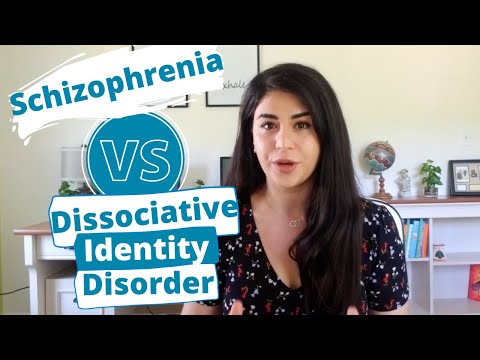
You know how people sometimes throw around the term «split personality» as if it’s just a casual thing? Like, someone has a mood swing, and suddenly they’re “schizophrenic”? It’s kind of wild how these terms get mixed up.
So, here’s the deal: schizophrenia and split personality disorder are actually pretty different. But they often get confused—thanks to movies and pop culture.
Let’s dive into this a little. I mean, you might be surprised at what each one really means.
Understanding the Differences Between Split Personality and Schizophrenia: Key Insights on Mental Health
So, you’re curious about the differences between split personality and schizophrenia, huh? Well, this is a pretty common mix-up. People often confuse these two because they both involve disruptions in a person’s mental state, but they are, like, really different. Let’s break it down so it’s super clear.
First off, “split personality” is actually a misnomer for what’s officially called **Dissociative Identity Disorder (DID)**. It’s where someone has **two or more distinct identities or personality states** that can take over their behavior. Each identity might have its own name, age, history—and even different ways of thinking and feeling. Picture this: Someone named Sarah might suddenly become Ellie—totally switching from a cheerful child to a sad teenager with intense memories that Sarah doesn’t even know about!
On the flip side, we have **schizophrenia**, which is a serious mental disorder. It’s characterized by symptoms like hallucinations (seeing or hearing things that aren’t there), delusions (strong beliefs in things that aren’t true), disordered thinking, and impaired functioning. People with schizophrenia may feel disconnected from reality. So imagine being convinced that everyone around you is plotting against you—scary stuff!
Here are some key differences to consider:
- Nature of Symptoms: DID involves identity changes and memory gaps, while schizophrenia primarily features hallucinations and delusions.
- Awareness: A person with DID often knows their identities exist but might not remember what each one does. In contrast, someone grappling with schizophrenia may struggle to distinguish between what’s real and what isn’t.
- Causation: DID is usually linked to traumatic experiences, especially in childhood. Schizophrenia’s causes are more complex and can include genetics or brain chemistry issues.
- Treatment Approaches: Therapy for DID focuses on integrating the different identities into one cohesive self; therapy for schizophrenia often includes medication to help manage symptoms alongside supportive therapy.
It’s crucial to understand these distinctions because they directly affect how people experience their lives and how they respond to treatments. And here’s the thing: stigma can get pretty heavy for folks dealing with either condition.
Just think about Emily—a young woman diagnosed with DID after surviving childhood trauma. She might find herself at a family dinner feeling completely disconnected one moment because another alter took over her mind! On the other hand, you’ve got Mark who battles schizophrenia; he hears voices telling him strange stories about his life that just aren’t true—making it hard for him to trust anyone around him.
In summary? While “split personality” isn’t an official term anymore (and really shouldn’t be used), it helps when you know it refers to DID instead of schizophrenia. Both conditions have unique challenges but come from different places in our minds. Knowing these differences not only helps reduce confusion but also builds empathy toward those who live with these conditions every day!
Understanding Split Personality Disorder: Exploring Its Alternate Names and Insights
So, first off, let’s clarify some things about split personality disorder. You might’ve heard it called Dissociative Identity Disorder (DID). It’s a bit of a mouthful, but that’s the official term now. A long time ago, this was often confused with schizophrenia, but they’re totally different.
DID happens when someone has two or more distinct identities or personality states. Each one can have its own name, age, history, and characteristics. Like… let’s say you meet Sarah and she seems super shy and reserved. Then later, she switches and becomes Alex—who’s loud and outgoing. You’re looking at two completely different personalities in one person! Crazy to think about, right?
Now about schizophrenia—it’s often misunderstood as the same thing as DID. But here’s the thing: schizophrenia mainly affects how someone thinks and perceives reality. People with this condition might experience hallucinations or delusions; they hear things that aren’t there or believe things that aren’t real. So while adjusting realities is a hallmark of schizophrenia, DID is really all about having multiple identities bouncing around in one head.
Here are a few key points to help sort this out:
- Dissociative Identity Disorder (DID) involves multiple identities.
- Schizophrenia primarily involves disruptions in thought processes.
- With DID, identities can take control at different times—sometimes leaving the person confused about who they are.
- Schizophrenia might cause someone to see or hear voices but doesn’t involve having multiple personalities.
Imagine going through your day and suddenly feeling like you are not your usual self—that you’re someone entirely else for a while. That could be what someone with DID experiences regularly! It can be jarring and confusing.
People develop DID usually as a way to cope with traumatic experiences during their early years—like severe abuse or neglect. Their minds create different identities to protect them from the pain of those memories.
It’s important to communicate accurately about these conditions because of all the stigma involved with mental health issues. Having DID doesn’t make someone dangerous or scary; it just means they’re coping with their life in unique ways.
In short, understanding these differences is key to supporting those who might be dealing with them—whether it’s confusion over personalities in DID or navigating reality in schizophrenia. Everyone’s story deserves compassion and respect!
Understanding Schizophrenia: Insights into the Experience of Individuals Living with the Condition
Alright, so let’s talk about schizophrenia. It’s a term that often gets tossed around without really understanding what it means. First off, schizophrenia is totally different from split personality disorder, which is properly known as dissociative identity disorder (DID). Seriously, people mix them up all the time!
With schizophrenia, you’re dealing with a serious mental health condition that affects how you think, feel, and behave. It’s like your mind is playing tricks on you — you might hear voices that aren’t there or see things that aren’t real. It can be pretty disorienting. Just imagine coping with your everyday life while also navigating an inner world filled with confusion.
Now, let’s break down some key points:
- Symptoms: Schizophrenia includes symptoms like hallucinations (those pesky voices), delusions (like believing something that’s not true), disorganized thinking, and sometimes even emotional flatness. Can you imagine thinking everyone is out to get you? That’s a real battle for some people!
- Onset: This condition usually pops up in late adolescence or early adulthood. You’re going through all those changes anyway, and then bam! Schizophrenia hits.
- Treatments: There are various treatment options available to help manage symptoms. Medications like antipsychotics can help reduce hallucinations and delusions. But it’s not just about meds; therapy plays a huge role too.
You know someone who has schizophrenia might have tons of difficult experiences because of their symptoms. For example, one friend told me they struggled at work because they kept hearing voices telling them bad things about their coworkers. That made it tough for them to focus or even interact normally with others.
A common myth around schizophrenia is that individuals with it are dangerous or violent — that’s just not true! Most people living with this condition aren’t violent; they’re just trying to manage their reality as best as they can. Many times, they experience more fear than aggression.
You probably won’t hear someone say this out loud, but stigma plays a huge role in how society treats individuals with schizophrenia. Imagine being judged for something beyond your control? That just adds another layer of difficulty on top of the symptoms themselves.
In terms of support from family and friends, understanding goes a long way. People living with schizophrenia often value patience and compassion from those around them. So if you’re close to someone facing this challenge, listen without judgment and be there when they need support.
The thing is mental health conditions can be complicated — every person’s experience is unique! But by spreading awareness about what schizophrenia really looks like and how it’s different from disorders like DID we can help make the world a little more understanding for everyone involved.
You know, there’s this common misconception floating around that schizophrenia and split personality disorder are basically the same thing. But honestly, they’re really not! It’s a total mix-up that can lead to a lot of misunderstandings about both conditions.
Just to clear things up, schizophrenia is primarily a severe mental health disorder that affects how you think, feel, and behave. It can make you see or hear things that aren’t there—like if your brain is playing tricks on you. You might feel super paranoid or experience confusion. It’s tough to explain what it feels like because it can be so isolating. I remember talking to this one person—it was heartbreaking hearing them try to describe their world when they had episodes. They felt disconnected from reality, and no one around them could truly grasp that experience.
On the other hand, split personality disorder—more accurately called Dissociative Identity Disorder (DID)—is all about having two or more distinct identities or personality states within one person. Each identity can have its own name, history, and characteristics. People with DID sometimes switch between these identities as a way to cope with trauma. It’s more like living in your own life movie with different characters than a single narrative.
So while both disorders can involve some serious challenges regarding identity and perception of reality, they stem from very different places and affect people in unique ways. Schizophrenia is rooted in a myriad of complex factors—like genetics and brain chemistry—while DID usually develops due to extreme trauma or abuse during childhood.
It’s just kind of wild how easy it is for folks to mix them up without really understanding what each condition represents! You could say it’s like comparing apples and oranges; yeah they’re both fruits but totally different in taste and texture, you know? So if you’re ever chatting with someone about mental health stuff, don’t forget the distinction—every story is unique!