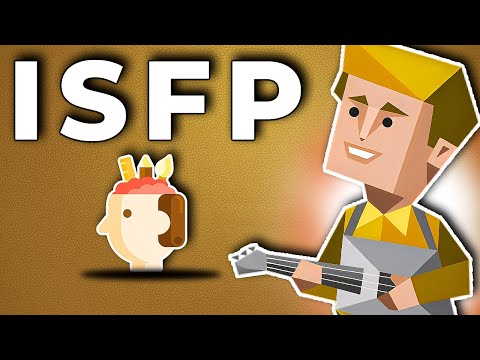
Hey, you ever heard of the ISFP personality? It’s one of those cool types from the Myers-Briggs thing. You know, the one that kinda puts you in a box but also opens your eyes a bit?
So, imagine you’re a creative soul who feels things deeply and loves beauty in little moments. That’s an ISFP for ya! But there’s more to it.
How does being an ISFP affect your mental health? Well, that’s what we’re gonna chat about. Seriously, it’s not just about knowing your type—it can totally shape how you handle emotions, stress, and even relationships.
Let’s dive into how understanding this personality can help you feel a little more at peace with yourself. Sound good?
Exploring the ISFP Personality Test: Understanding Its Impact on Mental Health for Free
The ISFP personality type is one of the sixteen types from the Myers-Briggs Type Indicator (MBTI). You know, it’s a tool people use to understand themselves better based on their preferences in how they perceive the world and make decisions. ISFPs are often described as “the artists” or “the adventurers.” They’re usually sensitive, creative, and value personal freedom.
One of the cool things about ISFPs is their **deep emotional awareness**. They tend to feel emotions intensely, not just their own but also those of others. It can be quite overwhelming sometimes. Picture someone who experiences a beautiful sunset and feels an inexplicable rush of joy mixed with nostalgia. That’s classic ISFP territory!
But here’s where it gets tricky—**this high sensitivity can also lead to struggles** with mental health. Many ISFPs might find themselves feeling anxious or stressed, especially when they’re forced into rigid routines or environments that don’t allow for personal expression. Imagine being stuck in a cubicle all day; that can totally drain an ISFP’s spirit!
Another aspect to consider is their **need for authenticity**. ISFPs crave real connections and genuine experiences. If they’re in situations that don’t resonate with their values or passion, they can feel lost or trapped. This disconnection can lead to feelings of frustration or worthlessness over time.
Also, because they’re introverted by nature, it might be harder for them to reach out for help when they’re struggling. You see, while some people thrive in social settings asking for support feels natural; for ISFPs, it can feel like a monumental task. They might retreat into themselves instead of expressing what’s going on inside.
Now let’s talk about relationships! Being in close connections really matters for an ISFP’s mental health. They often create deep bonds with only a few people rather than having lots of acquaintances. This intimacy means that when relationships go south—and they sometimes do—it can hit hard emotionally.
Here’s something interesting: engaging in creative outlets like art, music, or dance can significantly benefit an ISFP’s mental health! Seriously! Using creativity as an outlet allows them to express feelings that are sometimes too complex for words.
Lastly, being aware of these traits can empower both ISFPs and those around them—like friends and family—to support mental well-being more effectively. If you have an ISFP friend who seems down, understanding their need for space and authenticity can be key.
To wrap this up:
- ISFPs are emotionally aware, which makes them great at connecting but also leads to overwhelm.
- Sensitivity means they may struggle in structured environments.
- Authenticity is crucial; without it,they may feel lost.
- Creativity helps soothe emotional distress.
- Strong relationships matter—losses hit hard.
So whether you’re an ISFP yourself or know someone who is one, recognizing these characteristics may pave the way toward enhanced understanding and support!
Understanding the ISFP-T Personality Type: Traits, Strengths, and Challenges in Mental Health
The ISFP-T personality type is like a breath of fresh air. If you’re familiar with the Myers-Briggs Type Indicator (MBTI), you know it stands for Introverted, Sensing, Feeling, Perceiving, with a Turbulent identity. Let’s break it down and see how this type connects to mental health.
Traits of an ISFP-T are pretty unique and vibrant. They tend to be creative and spontaneous, often expressing themselves through art or music. You might find them lost in their thoughts or doing something hands-on that sparks joy. Their introverted nature means they recharge by spending time alone or with just a few close friends, which can sometimes lead them to feel overwhelmed in large social settings.
A big part of being an ISFP-T is feeling deeply. These folks often have strong emotional experiences. This sensitivity can be a double-edged sword; while it helps them connect with others on a profound level, it can also leave them feeling vulnerable or easily hurt. So when the world feels heavy, their intense emotions might not just fade away—they linger!
Strengths? Absolutely! ISFP-Ts are great at living in the moment and appreciating beauty around them. They’re also incredibly empathetic—you know? They have a knack for understanding how others feel without needing to dig too deep into conversations. It’s like they just «get» people.
But here comes the challenging part: ISFP-Ts may struggle with decision-making. Their desire for flexibility sometimes makes it hard for them to commit to choices or future plans. Alongside this, their tendency towards anxiety can make them feel restless or uncertain about their paths in life—like they’re always teetering on the edge of something big.
Mental health is crucial in understanding how these traits play out in everyday life. ISFP-Ts might find themselves dealing with feelings of inadequacy from time to time since they compare themselves against others who seem more outgoing or successful. Plus, because they hate conflict and want to keep harmony, they might bottle things up until they reach a breaking point.
Sometimes self-care becomes vital for these sensitive souls. Engaging in creative outlets can be super therapeutic—a way for them to express those swirling emotions instead of letting them fester inside.
All things considered, being an ISFP-T comes with its unique blend of strengths and challenges. Recognizing these traits isn’t just about categorizing someone but understanding how their personality influences their mental health journey every day—what’s helpful and what needs a little extra care! So if you know someone like this or even see these traits in yourself, just remember: it’s all about finding balance between that beautiful creativity and emotional safety net!
Understanding the ISFP-T Personality Type: Traits, Strengths, and Growth Strategies
The ISFP-T personality type is pretty unique, and they have some really cool traits that make them stand out. If you’re an ISFP, you probably vibe with the idea of being a true free spirit. So let’s break down what makes this personality tick and how it can impact mental health.
Key Traits of ISFP-Ts
ISFPs are often described as artistic and sensitive individuals. They tend to be spontaneous and enjoy living in the moment. Here are some traits that define them:
You know how some people just seem to have this deep appreciation for beauty? That’s an ISFP for ya! Picture someone staring at a sunset, truly soaking in the vibrant colors. That’s pretty much how they see the world.
The ‘T’ Stands for Turbulent
Now let’s chat about the “T” in ISFP-T. This designation usually suggests a bit more emotional intensity compared to their assertive counterparts (like ISFP-A). Turbulent individuals may struggle more with self-doubt and anxiety, which can play a big role in their mental health.
ISFP-Ts often find themselves reflecting on their emotions. While introspection can lead to growth, it can also result in feeling overwhelmed at times. You might find yourself thinking, “Why did I react that way?” or “Am I good enough?” It’s totally normal!
Strengths of an ISFP-T
So what are some strengths these folks bring to the table?
Think about your friend who always knows what art gallery to check out or has incredible taste in music—those are classic ISFP qualities!
Growth Strategies for ISFP-Ts
It’s great to know your traits and strengths, but you also might want to think about areas for growth. Here are some strategies:
For instance, if you hang out in busy environments often—like parties—you might feel drained afterward. Taking time for yourself afterward is key!
In all of this, remember: being an ISFP-T isn’t just about navigating challenges; it’s also about embracing your unique qualities. You bring warmth and creativity into the lives around you—and that’s something pretty special!
So, let’s talk about the ISFP personality type. You know, the ones who are all about feeling and creativity? I was chatting with a friend of mine, who happens to be an ISFP, and it hit me how much personality can really shape someone’s mental health experience.
ISFPs are often described as sensitive souls. They feel things deeply and tend to take in the world through their senses. One moment they might be lost in a beautiful sunset; the next, they’re getting emotional over a song that speaks to them. But this intensity can seriously affect their mental health, you know? Because feeling everything so deeply means they’re also prone to ups and downs.
Take my friend, for example. She’s super passionate about her art, which is amazing! But when she faces criticism or feels misunderstood, it’s like a slap in the face for her. That kind of stuff can really get under an ISFP’s skin since they often tie their identity to what they create. It’s rough when you put your heart into something only to feel it isn’t appreciated.
Plus, ISFPs usually prefer going with the flow rather than sticking to strict plans. Sometimes that carefree attitude comes back to bite them—like when responsibilities start piling up and everything feels overwhelming. They might struggle with anxiety or get stuck in negative thought patterns because of that pressure.
On a brighter note, though, being an ISFP also means embracing spontaneity and adventure! They often find joy in little things—like discovering a hidden coffee shop or going on a random hike—which can be really uplifting for their mental state. It’s like there’s this balance between highs and lows that makes life rich but challenging too.
Finding healthy outlets is key for ISFPs. Art therapy can be fantastic since it lets them express those intense feelings without judgment. Talking things out with someone who understands is another solid way for them to cope with tough emotions.
At the end of the day, knowing you’re an ISFP gives you some insight into your emotional landscape. You might vibe more with certain experiences or challenges than others do—and that’s okay! Just remember to take care of yourself amidst all those deep feelings and adventures you dive into!