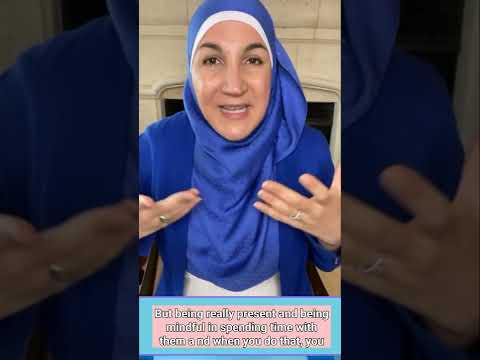
You know, life can get pretty overwhelming sometimes. Relationships can be tough, especially when you throw stress and expectations into the mix.
Ever thought about how Islamic marriage counseling could help? It’s not just about fixing problems. It’s honestly about understanding each other better and finding peace together.
There’s something comforting in sitting down with a counselor who gets your values and beliefs, right? You can talk openly without feeling judged.
And hey, it’s all about mental well-being too. Finding that balance can make a world of difference. So, if you’re curious or just looking for some support nearby, let’s chat more about it!
Exploring Mental Therapy in Islam: Is It Permissible for Muslims?
Exploring mental therapy within an Islamic framework can seem pretty complex, right? But it’s really about balancing faith with mental wellbeing. So, let’s unpack this a bit.
Many Muslims wonder whether seeking help from therapists or counselors is in line with their beliefs. The short answer is: **yes**, it can be permissible. Islam places a strong emphasis on the importance of health, both physical and mental. Mental health issues are recognized; they’re not seen as something to be ashamed of or ignored.
Islam encourages seeking knowledge and help. This includes understanding your own mind and emotions. Just as you wouldn’t hesitate to seek treatment for an illness like diabetes, addressing depression or anxiety is equally valid. Seriously, the Quran speaks volumes about self-care and the pursuit of wellness.
Now, let’s look at some points that might help clarify things further:
So, when you think about Islamic marriage counseling, it’s also about enhancing emotional intelligence within relationships. You might find counselors who specialize in this area; they can help couples navigate their struggles while grounding their work in Islamic teachings.
You know, some people worry that therapy could conflict with their beliefs—like it goes against the idea of relying solely on Allah (God). But really? Seeking therapy doesn’t mean you’re putting faith aside. It’s more like using every tool at your disposal to promote healing.
And check this out: anecdotes from those who’ve attended therapy show how beneficial it can be—someone might say they felt more connected to their community after addressing mental health issues through counseling.
At the end of the day, it’s essential to find a therapist who’s respectful of Islamic values. Whether you’re in need of individual therapy or marriage counseling, always look for someone who understands the cultural and religious context you’re coming from.
Anyway, if you feel stuck or overwhelmed with emotions, remember reaching out isn’t just okay—it’s actually a courageous step toward better mental health!
Exploring the Role of Marriage Counseling in Islam: Guidelines and Insights
Understanding marriage counseling within Islamic contexts can be really valuable for couples navigating challenges. It’s a way to combine faith and therapy, focusing on both emotional well-being and spiritual growth. Marriage counseling in Islam isn’t just a last resort; it’s seen as an opportunity for growth, reflection, and healing within relationships.
Islamic marriage counseling emphasizes the importance of communication and mutual respect. Couples are encouraged to express their concerns openly while maintaining a sense of love and compassion. The idea is to create a safe space where both partners feel heard. And being respectful of each other’s feelings? That’s key!
When entering counseling, couples might explore topics like:
- Conflict resolution: How to handle disagreements in a constructive way.
- Strengthening bonds: Techniques for improving emotional connection.
- Cultural expectations: Addressing the pressures that come with cultural norms.
- Spiritual growth: Encouraging practices like prayer together or attending religious gatherings.
One important aspect is understanding that Islam views marriage as a sacred contract. This perspective brings commitment into play, making it essential for couples to work together towards solutions. Counseling often incorporates Islamic teachings and values, reminding partners of their shared responsibilities and rights.
Counselors may draw on resources from religious texts or community leaders for guidance. This helps frame discussions within an Islamic context, allowing couples to explore their challenges through spirituality along with psychological techniques.
Now let’s consider the emotional side of things. Imagine you’re feeling distant from your spouse, maybe after years of working full-time jobs or raising kids—life gets busy! You start wondering if you’ve lost that spark. Here’s where counseling comes in handy! It provides tools not just to talk but also rekindle that connection by re-establishing shared goals.
Another key thing counselors often address is mental wellbeing overall. In Islamic teachings, maintaining mental health is crucial because it also impacts physical health and spirituality. When couples feel supported emotionally and spiritually through counseling, they’re way more likely to find harmony in their relationship.
Finding the right counselor might be tricky at first since you’ll want someone who understands your cultural background along with therapeutic practices—this can really make a difference! Many mosques offer resources or workshops which can be super helpful for couples looking for guidance.
The bottom line here? Marriage counseling in an Islamic context isn’t just about solving problems; it’s about building stronger relationships grounded in faith and love. So whether you’re facing tough times or just wanting to connect deeper with your partner, consider reaching out for help—things can get better!
Enhance Your Mental Wellbeing: Islamic Marriage Counseling Services in Creve Coeur, MO
Finding ways to enhance your mental wellbeing can be really important, especially when it comes to relationships. If you’re in Creve Coeur, MO, and looking for Islamic marriage counseling services, you’ve got options that can really help.
Islamic marriage counseling often looks at the unique dynamics of relationships within the context of Islamic teachings. This means that your faith is taken into account alongside conventional therapeutic practices. It’s a blend that can make a real difference for many couples.
What Can You Expect?
In sessions, counselors may focus on improving communication skills and resolving conflicts by tapping into Islamic principles. Couples might explore topics like mutual respect, shared responsibilities, and the importance of understanding each other’s perspectives. It’s not just about fixing problems; it’s about building a stronger foundation.
Here are some key aspects you might encounter in counseling:
- Supportive Environment: Counselors aim to create a safe space where both partners can share their feelings and experiences openly.
- Spiritual Integration: Sessions often incorporate Islamic teachings which can offer guidance on how to navigate challenges together.
- Coping Strategies: You’ll learn practical techniques to handle stress and improve emotional connections.
- Conflict Resolution: Counselors help couples develop healthy ways to resolve disagreements without escalating tensions.
Sometimes couples struggle with feeling disconnected. A friend of mine once shared how counseling helped her and her husband reconnect after years of misunderstandings. They realized they weren’t just arguing; they were miscommunicating their needs.
Local Resources
In Creve Coeur, there are several providers offering these services. You might want to look for professionals who are not only licensed counselors but also have experience in Islamic teachings. This blend helps tailor the approach specifically to your needs as a Muslim couple.
Remember, seeking help isn’t a sign of weakness—it’s actually a brave step towards healing and growth. Whether you’re facing big issues or smaller bumps in the road, Islamic marriage counseling can offer tools that align with both your cultural values and psychological needs.
So if you’re considering enhancing your mental wellbeing through relationship work, it could be worth checking out what’s available in your area!
Alright, let’s chat about something that’s really important—marriage counseling, especially in the context of Islamic teachings and how that can be a source of mental wellbeing. It’s like, when you’re in a relationship, it can be smooth sailing one minute and then suddenly hit some rough waters the next. And sometimes, you just need that extra support to navigate through it.
Imagine you’re going through a tough patch with your spouse. Maybe you’ve been arguing more than usual or just feeling distant. It’s kind of like being lost in a maze without a map, right? That’s where marriage counseling can come into play. Now, if you’re part of the Islamic community, finding someone who understands your cultural and religious values can make a world of difference.
I remember my friend Sara telling me about her experience with counseling after she got married. Things started off beautifully; they had that spark! But soon enough, the reality of life kicked in—work stress, family expectations, all that jazz. They were struggling to communicate effectively and felt really alone even when they were together.
They decided to seek help from an Islamic marriage counselor nearby. The therapist wasn’t just any counselor; they understood the principles of Islam and how important faith is in relationships. This made Sara and her husband feel safe talking about their issues without judgment. They learned to approach their disagreements with respect and compassion with guidance rooted in their beliefs.
Working through problems together while keeping their faith at the forefront helped them build a deeper connection. It was like finding light during what felt like endless darkness. Their counselor didn’t just offer strategies but also reminded them how love is such a central tenet in Islam—how it encourages patience and empathy.
If you’re in a similar situation or know someone who is, seriously consider looking for local Islamic marriage counseling options. It doesn’t have to be scary or intimidating. There are trained professionals out there who can help you work through conflicts while respecting your values.
So yeah, seeking out this kind of support might just help you find your way back to each other with renewed strength and understanding—and maybe even rediscovering that spark again! Isn’t it amazing how love can be rejuvenated when we take steps towards healing?