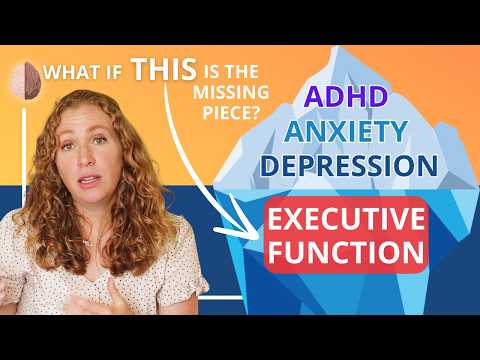
You ever feel like your brain’s just not cooperating? Like, you know what you want to do, but actually doing it feels like climbing a mountain? Yeah, it’s a real struggle.
That’s what challenges in executive functioning are all about. It’s not just about being scatterbrained or forgetful. It can mess with your life in big ways.
Imagine trying to juggle work, family, and your own mental health while your brain’s playing its own game. Pretty exhausting, right? You’re definitely not alone in this. Many people experience similar hurdles every day.
So let’s chat about how executive functioning connects with mental health and why it matters to you. Trust me, it can make a world of difference!
Exploring the Impact of Mental Health on Executive Functioning: What You Need to Know
Mental health and executive functioning are more connected than you might think. When you hear «executive functioning,» just picture the brain’s management system—like the air traffic controller of your thoughts, actions, and emotions. It helps you plan, focus, remember things, and regulate your emotions. But if mental health issues come into play, well, it can really throw a wrench in that system.
When you’re feeling anxious or depressed, your brain’s ability to function smoothly can take a hit. It’s like trying to drive a car with the brakes on. Everything feels heavy and slow. You might struggle with organization or decision-making. Maybe you find it tough to keep track of tasks—or maybe you can’t remember what was said in a meeting five minutes ago. Those are classic signs that your executive functioning is getting knocked off course.
One biggie here is **depression**. Imagine waking up feeling like there’s a weight on your chest—it’s hard to get out of bed, let alone tackle any tasks for the day. You know that feeling when even small decisions seem overwhelming? That’s because depression can mess with your ability to prioritize or make choices.
Then there’s **anxiety**, which often sends your mind racing in every direction at once. You may be hyper-alert to potential dangers or problems, which pulls focus from what’s actually in front of you—like forgetting where you left your keys because you’re too busy worrying about tomorrow’s presentation.
If we zoom out a bit more, we have conditions like **ADHD** (Attention-Deficit/Hyperactivity Disorder). People with ADHD often have significant challenges with executive functioning—things like impulse control and time management can be especially tough. It’s not just about being easily distracted; it’s about how those distractions interfere with daily life.
Also worth mentioning is how these challenges don’t exist in isolation. For example:
- Someone dealing with anxiety might also avoid social situations.
- A person with ADHD could feel trapped in a cycle of procrastination due to low self-esteem.
You see how intertwined these issues can get?
Therapy plays a key role here too. There are techniques that help improve executive functioning skills through therapy approaches like cognitive-behavioral therapy (CBT). With CBT, you learn to identify unhelpful thoughts and replace them with more constructive ones—that way you’re not just working harder; you’re working smarter.
But medication for mental health conditions can also help ease symptoms that impact executive function—like reducing anxiety levels or lifting depressive symptoms—allowing for clearer thinking and better decision-making overall.
In short, mental health significantly impacts executive functioning—the two go hand-in-hand! By understanding this connection, it becomes easier to seek help when needed because this isn’t just “in your head.” It’s real stuff that’s affecting how you live day-to-day.
So next time life feels disorganized or overwhelming, consider how mental health could be playing a part in all that chaos—and know there’s support out there waiting for you!
Understanding Common Executive Function Challenges: Key Insights and Solutions
Understanding executive function challenges can feel a bit like trying to solve a mystery. It’s like, you know when you just can’t seem to remember what you walked into the room for? Or when your mind starts racing, but you can’t settle on one idea? That’s all part of how our executive functions work—or sometimes don’t work.
Executive functions are basically the brain’s management system. They help with things like planning, organizing, and staying focused. If someone struggles with these functions, it can really mess with daily life. You might find yourself overwhelmed by simple tasks or having a hard time getting started on projects.
Some common issues include:
- Difficulty in organizing tasks: Imagine sitting down to work on an assignment but feeling lost about where to even begin. It’s frustrating, right?
- Problems with time management: Ever think you have more time than you do, only to realize deadlines are looming? You’re not alone.
- Challenges in focusing: Maybe you’re sitting at your desk but keep getting distracted by everything around you—your phone buzzing, noises from outside… It happens.
- Poor impulse control: This can show up as saying things without thinking first or making hasty decisions that don’t serve you well.
It’s also crucial to understand how these challenges can be tied to mental health issues. For instance, folks with ADHD often face significant executive function difficulties. The same goes for people dealing with anxiety or depression; their ability to plan and execute tasks can take a big hit.
Let me share a quick story: A friend of mine struggled with getting her kids ready for school every morning. It seemed so simple—just get them dressed and fed! But she’d get distracted by laundry or her phone notifications. As a result, they were always late. After talking through it together, we noticed she needed a plan—a checklist on the fridge helped her see what needed doing step-by-step.
So what can we do about these challenges? Here are some strategies that could help:
- Create routines: Establishing consistent morning or evening rituals can reduce decision fatigue.
- Use tools and reminders: Apps, calendars, and timers are your friends! They keep things structured without stressing your brain too much.
- Break tasks down: Instead of looking at that big project as one huge mountain to climb, break it into smaller hills.
- Avoid multitasking: Focus on one thing at a time—that’s where you’ll be most effective!
You see? Executive functions play such a huge role in our lives that understanding them helps not just ourselves but those around us too! It’s all about finding ways to cope and adapt; we’re all figuring this out together.
Understanding Executive Dysfunction: Key Disorders and Their Impact on Mental Health
Executive dysfunction sounds heavy, but it’s basically when your brain has a hard time managing tasks that involve planning, organization, and self-control. Imagine trying to juggle five balls while someone keeps throwing more at you. It’s frustrating and exhausting! Many people might experience this, but it’s often linked to some specific disorders.
First off, let’s talk about ADHD. This is probably the most recognized condition associated with executive dysfunction. People with ADHD often struggle with attention, impulse control, and completing tasks. You know how hard it can be to focus when your mind feels like it’s on a rollercoaster? That’s pretty common for someone with ADHD.
Then there’s autism spectrum disorder (ASD). Individuals on the autism spectrum can have difficulties with executive functioning too. They might find transitioning between tasks or managing social situations really tricky. Like, imagine being in a crowded room and trying to figure out how to say goodbye while keeping track of your things—overwhelming, right?
Another one to consider is depression. It’s not just about feeling sad; it can sap energy and make even simple decisions feel enormous. You might think about getting up to do the dishes but keep putting it off because it feels too much. That sense of being stuck? Totally related to executive dysfunction.
And then there’s anxiety disorders. For some folks with anxiety, worrying about every little detail makes task management a nightmare. You’re constantly overthinking things like sending that email or starting that project—it drains you! It’s like having an internal alarm going off 24/7.
In terms of impact on mental health, this dysfunction can lead to feelings of frustration and inadequacy. If you can’t manage daily tasks as well as others seem to do, it can really hurt your self-esteem. Plus, failure or difficulty in job settings or school due to these struggles can cause anxiety or depression over time.
So what does this all mean? Well, understanding these conditions helps us see where the challenges lie and why some days feel so overwhelming for folks dealing with executive dysfunction. It gives us context for their experiences—a little compassion goes a long way!
Recognizing executive dysfunction is super important because it opens up pathways for support and treatment options—like therapy or medication—that could really help alleviate some of those burdens.
Overall, whether it’s ADHD, autism spectrum disorder, depression, or anxiety impacting executive functioning—the key takeaway here is that you’re not alone if you’re facing these challenges. Just knowing there are names for these struggles can feel like a relief!
You know, executive functioning isn’t something we often think about until we’re faced with some real struggles. It’s that behind-the-scenes stuff in our brains that helps us plan, focus, remember things, and manage our time. So when it’s not working right—man, it can really create a mess in your life.
Think about a time when you had a big project due at work or school but found yourself staring blankly at your computer screen instead of getting started. That’s a classic case of poor executive functioning. It’s like your brain is stuck in neutral while the world rushes by. Everything seems overwhelming, and you might just start avoiding it altogether. I’ve been there — I once had to finish a paper, and instead of writing, I ended up cleaning my entire room instead! Never knew my dust bunnies needed that much attention!
People with mental health challenges often face even bigger hurdles here. Conditions like ADHD or anxiety can throw a wrench in how we plan and execute our tasks. Like if you’re dealing with anxiety, the pressure of deadlines can make it hard to focus on what really matters because you’re too busy worrying about what could go wrong. This hamster wheel keeps spinning faster and faster until it feels impossible to get off.
And then there’s depression—talk about a joy stealer! When you’re feeling low energy or hopeless, simple tasks may feel monumental. Just getting out of bed can be your Everest some days. You might want to make plans or meet friends, but the thought of organizing everything is just exhausting.
The thing is, those challenges don’t exist in isolation; they weave into every part of life—from personal relationships to career aspirations—and can lead to shame or frustration if you don’t understand what’s going on. So many people think they’re just lazy or not trying hard enough when really it’s about their brain’s wiring being off-kilter.
Finding help can be key here— whether it’s therapy, medication options, or even simple self-care practices like breaking tasks into smaller pieces has worked wonders for many folks I know! Little victories add up over time; they’re stepping stones for rebuilding those executive functioning skills.
So yeah, while challenges in executive functioning can be tough cookies to crack open sometimes, recognizing them as part of a bigger picture can lighten the load just a bit. You’re not alone in this struggle—you’ve got plenty of company on this wild ride called life.