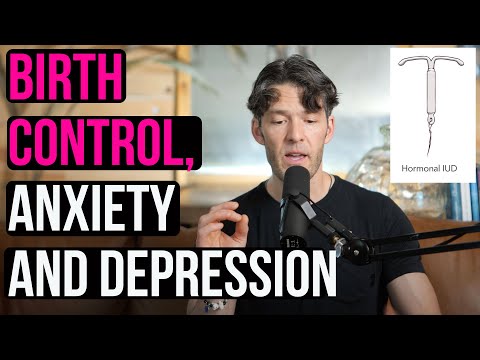
So, let’s chat about IUDs. You know, those handy little devices that can totally change your birth control game? But here’s the thing—some people swear they feel all sorts of mood shifts after getting one.
I mean, it’s like one minute you’re chillin’, and the next, you’re crying over a dog commercial. Seriously! What’s up with that?
It turns out there’s more going on than just hormones. It’s not all in your head, I promise! So, let’s dig into this a bit and see what might be behind those mood swings you might be feeling.
Exploring the Emotional Impact of IUDs: Can Your Birth Control Affect Your Mood?
You know, when it comes to birth control, the conversation often revolves around effectiveness and side effects. But one thing that doesn’t get enough attention is how things like IUDs might mess with your emotions and mood. It’s pretty important, especially since so many people use them.
First off, you’ve got to understand what an IUD is. It’s a little device inserted into the uterus to prevent pregnancy. There are hormone-releasing IUDs, like Mirena, and the copper ones, like ParaGard. Each type works differently, and that can definitely affect your body in various ways.
Now let’s talk about mood swings. Some people who use hormonal IUDs report feeling a rollercoaster of emotions. It could be anything from feeling super irritable to sudden bursts of sadness. You might think it’s just part of life or maybe stress from work or family issues, but these hormonal changes can really influence your emotional state.
Ever heard someone say they felt “off” after getting an IUD? They might describe feeling more anxious or down than usual. And that’s not just in their head! Hormones play a huge role in regulating mood. The synthetic hormones released by an IUD can change how your brain processes emotions and stress.
But here’s the kicker: not everyone reacts the same way. Some people feel totally fine—no moods swings at all! So it really varies from person to person, which is frustrating because you can’t predict how you’ll feel until you try it yourself.
You might also want to consider factors like pre-existing mental health conditions. If you have a history of anxiety or depression, there’s a chance that hormones could exacerbate those feelings. That said, some folks find that an IUD helps them manage their periods better and reduce cramps—so managing physical discomfort might actually lift your spirits a bit!
It’s good practice to chat with your healthcare provider before making any changes to your birth control method. They can help guide you based on your health history and mood patterns.
Just remember: If you’re feeling more emotional after getting an IUD or any kind of birth control for that matter, don’t ignore it! It’s totally okay to reach out for help or even switch methods if something doesn’t feel right.
So yeah, the connection between IUDs and mood is real but also pretty personal. What works for one person may not work for another—it’s all about finding what suits you best in terms of both physical health and emotional well-being.
Exploring the Connection Between Mirena and Mental Health: Can It Cause Depression and Anxiety?
Well, let’s talk about Mirena and how it connects to mental health. If you’re considering or using this IUD, you might be wondering, “Could it really mess with my mood?” That’s a totally valid question!
First off, Mirena is an intrauterine device (IUD) that releases a hormone called levonorgestrel. This hormone is basically meant to prevent pregnancy by thickening cervical mucus and thinning the lining of the uterus. But it does more than just that. Some people have reported experiencing changes in their mental health when using Mirena.
Now, the link between hormonal birth control like Mirena and mood changes isn’t super straightforward. The thing is, everyone’s body reacts differently to hormones. For some folks, they might feel fine; for others, not so much. Here are some ways that Mirena could possibly affect your mental health:
- Hormonal Fluctuations: Hormones are like the body’s messengers; when they change suddenly or intensely, it can really throw your mood out of whack.
- Individual Sensitivity: Some people are more sensitive to hormonal changes than others. If you’ve had mood swings before starting Mirena, you might notice them more now.
- Connection to Depression and Anxiety: There’s evidence suggesting some women may experience increased anxiety or depressive symptoms while using hormonal contraceptives.
You know someone who’s been through this? A friend of mine started using Mirena and then totally felt off for months—she couldn’t put her finger on it at first but finally connected her mood shifts to the IUD. It wasn’t until she spoke with her doctor that they figured out her symptoms could be related to the hormones.
But here’s where it gets complicated: scientific studies offer mixed results. Some say there’s no significant connection between IUDs like Mirena and depression or anxiety, while others do establish a link for certain individuals. So basically, if you’re feeling down or anxious after getting Mirena, don’t just brush it off as all in your head.
If you think your mental health is dipping because of this IUD or any other hormonal birth control method, chatting with a healthcare provider can help. They can go over your experiences and discuss options that might suit you better.
And remember, having these feelings doesn’t make you weak or unusual—it means you’re human! If switching from one form of birth control to another could help lift those heavy feelings from your mind? Then why not explore that route?
In short: while many people use Mirena without issues, it’s definitely real that some may face mental health challenges related to it. The key takeaway? Listen to your body and advocate for what feels right for you!
Exploring the Link Between Yaz Birth Control and Depression: What You Need to Know
Alright, so here’s the deal: Many people want to know about the link between Yaz birth control and depression. It’s a topic that can stir up a lot of feelings. You’re not alone if you’ve felt a little off while on hormonal birth control. Seriously, it’s more common than you might think.
Yaz is a type of birth control pill that contains two hormones: estrogen and progestin. While they’re super effective at preventing pregnancy and can help with some skin issues, they also mess with your body’s natural hormones. And when that happens, things can get complicated, especially for your mood.
So, let’s break it down a bit:
I remember talking to a friend who started on Yaz after some acne issues. She was thrilled at first—the clear skin was awesome! But then she noticed she felt more irritable and sad for no clear reason. It was frustrating for her because she didn’t connect the dots right away. Once she did some research and had chats with her doc, it became clearer why she felt off.
The Risk Factor: The risk of developing depression could be higher for those who already have mental health challenges or are prone to mood swings. So basically, if you’re already sensitive emotionally or have had bouts of depression before starting Yaz, keep an eye out for changes in how you feel.
Oh, and let’s talk about IUDs, too—these devices are another form of birth control that many folks consider nowadays as an alternative to pills like Yaz. And guess what? They can come with their own set of mood fluctuations as well! While some IUDs release hormones (like the Mirena), others are non-hormonal (like the copper IUD). That can shape your emotional experience differently based on what type you pick.
The bottom line? Everyone’s reaction to birth control is different; it’s really all about understanding yourself better. If you’re considering starting Yaz or any IUD but worry about depression or mood changes, chat it out with your healthcare provider. They know your history and can help lay out your options clearly.
In wrapping this up: it’s totally okay to be concerned about how these contraceptives might impact your mental health because feeling comfortable in your own skin should always come first!
So, let’s talk about those IUDs—specifically how they can mess with your mood. You know, the intrauterine devices that a lot of folks use for birth control? They’re super effective, but some people have noticed their emotions going on a bit of a rollercoaster after getting one.
It’s not all in your head. Seriously! There’s this nifty connection between our hormones and our mood. When you have an IUD, especially one that has hormones like the Mirena or Kyleena, you’re introducing extra hormones into your system. This might lead to mood swings for some. You’re basically throwing some extra variables into the mix, and that can certainly shake things up a bit.
I remember my friend Sarah sharing her experience after she got an IUD. She was all excited about not having to worry about birth control every day; it seemed like the perfect solution for her busy life. But then, out of nowhere, she started feeling really irritable and anxious. Like, she would snap at her partner over small things without even realizing it. It was tough for her because she felt like she wasn’t herself anymore.
What happens is your brain relies heavily on hormones to keep you feeling balanced and zen. When those hormone levels fluctuate—thanks to something like an IUD—it can lead to feelings of sadness or irritability. It’s the whole hormonal balance thing; when that’s off-kilter, you might feel more stressed or overwhelmed.
But here’s where it gets interesting: not everyone reacts the same way! Some people sail through with no issues at all. Others may find their moods swinging wildy from happy to sad in a matter of days—or sometimes hours! So if you find yourself riding that emotional wave after getting an IUD, it’s worth chatting with your healthcare provider about it.
And look, if you’ve been feeling low or irritable and it’s impacting your day-to-day life—talk about it! Whether it’s with friends who get it or professionals who can help sort through those feelings—you’re not alone in this.
So yeah, while IUDs are amazing for many reasons (hello, less worry!), they can also be a source of emotional ups and downs for some people. It’s totally normal! Just remember: being aware of how something affects you emotionally is super important in taking care of yourself.