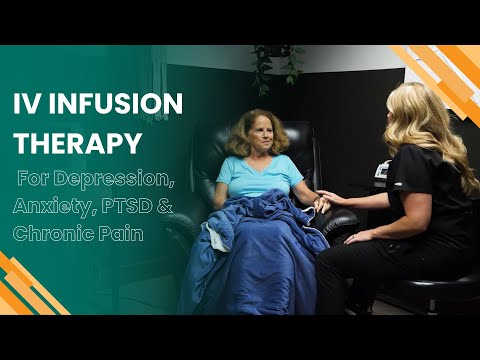
You know those days when everything feels like too much? Like, you wake up and just the thought of getting out of bed brings on a wave of anxiety? Yeah, I’ve been there.
So lately, folks have been talking about something called IV therapy. It’s not just for hydration after a wild night out anymore. People are actually looking at it as a way to tackle anxiety and depression.
Sounds kinda wild, right? But stick with me! There’s some interesting stuff happening in the world of mental health, and IV therapy is one of those things that’s gaining attention.
I mean, we’re all just trying to find what works for us, right? And if this can help even a little bit, it deserves a closer look.
Exploring the Benefits of IV Therapy for Managing Anxiety: A Comprehensive Guide
Anxiety can feel like this heavy weight on your chest. You know the feeling, where everything seems overwhelming? It’s a tough ride, and traditional therapies don’t work for everyone. That’s where **IV therapy** steps in as a potential game changer.
So, what is IV therapy, anyway? Well, it’s basically when vitamins and minerals are delivered straight into your bloodstream through an intravenous drip. This method can help you get nutrients faster than popping pills or drinking supplements. And for some people dealing with anxiety or depression, this quick absorption might make a real difference.
Here are some ways IV therapy might help manage anxiety:
Now picture this: Sarah had been feeling totally overwhelmed with her job and personal life. Traditional meds weren’t cutting it for her anymore. She decided to try IV therapy after hearing about its benefits from a friend. After just a couple of sessions, she noticed she felt more grounded and less jittery—a huge win in her day-to-day life.
Also worth mentioning: the experience can feel refreshing! Sitting back while getting an IV drip might just be the self-care moment you need amidst life’s chaos.
However, it’s essential to talk to a doctor before diving in. They can guide you based on your specific situation and help determine if IV therapy is right for you. Not everyone will respond the same way; our bodies are unique after all!
In summary, while traditional therapies have their place—and they work wonders for many—IV therapy offers another avenue worth exploring if you’re looking for different strategies to feel better. Just remember to keep the conversation going with healthcare professionals about what works best for you!
Understanding IV Therapy for Depression and Anxiety: A Comprehensive Guide
So, you might have heard about IV therapy for managing depression and anxiety. It’s one of those topics that’s been popping up lately. Let’s break it down so it all makes sense, yeah?
IV therapy, or intravenous therapy, is when a mix of fluids, vitamins, and sometimes medications is delivered directly into your bloodstream through a vein. This method can be faster than taking pills since it bypasses your digestive system. Pretty neat, huh?
How does this connect to mental health? Well, some studies suggest that certain nutrients might help boost mood and reduce anxiety symptoms. For instance, magnesium and amino acids like glutamate can play a big role in brain function and emotional health. Seriously, these nutrients are super important!
Now, there are several key points to consider:
Of course, it’s not all sunshine and rainbows. Many folks still don’t fully understand how effective this treatment really is for mental health issues. The research is ongoing—so keep your ears open for new findings.
Just picture someone named Sarah who struggled with anxiety for years. She’d tried everything: therapy sessions every week and a handful of antidepressants with little success. Then a friend mentioned IV therapy as an option she hadn’t considered before. After her first session filled with nutrients (and yes, some hydration too), Sarah felt a noticeable shift in her mood—it was like someone flipped a switch! But hey, results can vary from person to person.
That brings us to safety concerns. Always talk to a healthcare provider beforehand; they can help determine if it’s right for you or if there are risks involved based on your medical history.
In summary, while IV therapy isn’t the magic bullet some might hope for regarding depression or anxiety management, it offers an exciting alternative that could work well with other treatments you’re already using.
So if you’re curious about this approach for managing mental health issues like anxiety or depression—well—inform yourself first! Talk to your doctor about whether it’s worth considering in your journey toward feeling better.
Unveiling the New ‘Magic Pill’ for Anxiety: Breakthrough Treatments You Need to Know
Anxiety can be a real heavy weight, right? You know, like when you’re about to give a big presentation and your heart feels like it’s about to leap out of your chest. So, when it comes to dealing with anxiety, people are always looking for that “magic pill” that could help. But recently, there’s been some buzz around IV therapy as a new approach for managing anxiety and depression. Let’s break this down.
First off, **what is IV therapy?** Basically, it’s a method where nutrients and medications are delivered directly into your bloodstream through an intravenous drip. Think of it as taking vitamins but with a turbo boost—just straight into your system! This method can help because it bypasses the digestive system, which means the body gets those goodies faster.
Now, what’s cool about IV therapy is that it can deliver things like **vitamins**, minerals, and even some groups of medications that have been shown to improve mood. For instance:
- Vitamin C: Known for its immune-boosting powers, it’s also linked to helping reduce anxiety.
- B Vitamins: These are key players when it comes to brain health and mood regulation.
- Magnesium: It’s often called nature’s chill pill since it may help calm you down.
Imagine someone named Jamie who struggled with intense anxiety. She tried talk therapy and some over-the-counter remedies but wasn’t seeing enough relief. When she heard about IV therapy from her doctor one day during her usual check-up, she figured why not? After just a few sessions, Jamie felt lighter; like her thoughts weren’t racing quite so fast anymore.
But here’s the thing: while there’s growing excitement around this method—IV therapy isn’t exactly mainstream yet in the treatment of anxiety and depression. That means you might have to dig a little deeper in finding specialists who offer this service.
Oh! And don’t confuse this with magic pills—IV therapy doesn’t work overnight or guarantee results for everyone. Each body reacts differently; so talking to a healthcare provider is super key before starting any new treatment plan.
Also worth mentioning: IV therapy often comes at a cost because it’s usually not covered by insurance plans yet. So if you’re thinking of jumping on board, check those financial aspects too!
In summary, **IV therapy offers an interesting path** for managing anxiety and depression through quick delivery of essential nutrients and medications right into your veins. It’s not a one-size-fits-all solution but could be something worth considering for those who feel stuck after trying other methods.
And remember though—the journey through mental health isn’t linear; ups and downs are completely normal! Keep reaching out for support in whatever form works best for you.
IV therapy. Sounds kinda sci-fi, right? Like something you’d see in a cool futuristic movie. But seriously, it’s popping up in the mental health scene as an interesting way to tackle anxiety and depression. You might be raising an eyebrow, like “really? IVs for mental health?” I get it.
So picture this: you’re feeling constantly drained and anxious, like you’ve got this cloud hanging over you that just won’t budge. Just the thought of doing basic stuff feels exhausting. And then someone mentions IV therapy to you—it’s like getting a quick boost of nutrients or meds straight into your bloodstream instead of through pills or other routes.
There’s something oddly comforting about that image—sitting in a cozy chair, sipping on some herbal tea while getting those nutrients injected directly where they’re needed most. It seems a bit more direct and personal than swallowing another pill that might take days to work, right? Some folks have reported feeling lighter after just a few sessions.
But let’s not kid ourselves; this isn’t a magic potion or anything like that. It’s not gonna erase all your worries with a flick of the wrist. Still, when traditional methods seem slow or ineffective, it can feel refreshing to explore alternatives. And hey, if it offers relief for some people—great!
I remember chatting with a friend who had been feeling perpetually anxious even on their meds. They tried IV therapy out of sheer desperation after hearing about others’ success stories—like finally finding the switch on a lamp that had been dimming their life for ages. They said it was like stepping out into sunlight after being stuck in the shade for too long.
But before jumping into something like this, it’s crucial to have real conversations with healthcare professionals who know your history and needs! IV therapy might not be for everyone, but for some—it could spark hope when things seem dim.
So basically, while it’s not an all-in-one solution to managing anxiety or depression, exploring different approaches can open new doors and lead to interesting outcomes. Everyone’s journey is unique; finding what truly works for you is key.