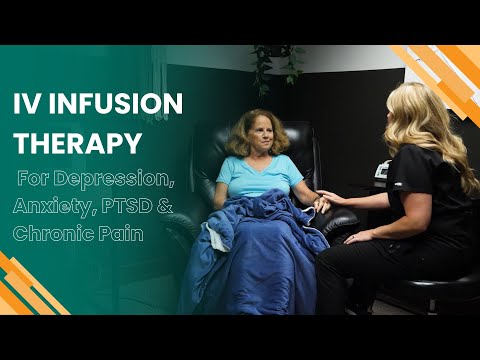
You know those days when you just feel, like, completely off? Or maybe you’ve been stuck in a funk for a while now? Yeah, it happens to the best of us.
Well, picture this: there’s a new way people are tackling feelings of depression. It’s called IV therapy. Sounds kind of sci-fi, right? But hear me out; it might be something worth considering.
Instead of the usual meds or long therapy sessions, this approach delivers nutrients and hydration directly into your bloodstream. That’s like getting a boost when you need it most!
It’s not a one-size-fits-all solution, but it’s gaining attention. So let’s explore what this means for those looking for some relief!
Exploring IV Therapy for Depression: Does It Really Help?
So, let’s chat about something that’s been popping up in the world of mental health—IV therapy for depression. You’ve probably heard whispers about it, and you’re wondering if it’s the real deal or just another trend. Well, let’s break it down together.
First off, IV therapy involves injecting vitamins, minerals, or other substances directly into your bloodstream through an intravenous drip. The idea is that by doing this, your body absorbs these nutrients faster and more effectively than if you were to just take them orally. Sounds cool, right? But why are we talking about this in relation to depression?
Ketamine IV therapy is one of the most talked-about treatments these days. Ketamine has been used as an anesthetic for a long time, but more recently, research has shown that it can provide rapid relief for people dealing with severe depression. Some folks experience improvement within hours after their first session! How wild is that?
Now, here’s the thing: traditional antidepressants can take weeks—or even months—to kick in. And they don’t always work for everyone. So when ketamine started getting attention for its speedy effects, a lot of people were curious if this could be a breakthrough.
But what does this treatment look like? Well, usually you’d go to a clinic where trained professionals administer the IV infusion. It typically lasts around 40 minutes to an hour. During this time, many patients report feeling relaxed or even a bit altered in their consciousness—not unlike being tipsy but without losing control.
It’s important to consider how this doesn’t work for everyone. Some might have serious side effects or feel anxious during treatment. Plus, it’s usually recommended only after other therapies haven’t worked out well—like trying out standard antidepressants first. So it’s not like everyone will jump right into IV therapy as soon as they feel down.
Another thing to keep in mind is cost. These treatments aren’t cheap; they can run several hundred dollars per session and might not be covered by insurance since they’re still considered somewhat experimental.
So you might be asking—does it really help? Well… studies show promising results! Many participants report feeling better after a few sessions and experience fewer depressive symptoms overall. But concrete long-term effects? That part still needs more research.
And talking about real-life experiences—there’s Sarah (not her real name). She struggled with major depressive disorder for years and felt stuck with traditional meds that didn’t seem to help her much anymore. After hearing about ketamine IV therapy from a friend (who had amazing results), she decided to give it a shot. The first session was surreal; she felt lighter afterward—a feeling she hadn’t experienced in ages!
However, she also had some ups and downs following her treatments—some sessions helped more than others—and that’s totally normal too. Everyone’s journey with mental health looks different!
In short: while IV therapy isn’t a miracle cure-all for depression and isn’t suitable for everyone—it opens up new pathways worth considering if you’re looking for something different when typical treatments fail you.
Just remember: if you’re thinking about trying any new treatment approach like this one, have an open conversation with your mental health provider about what makes sense for your unique situation! You deserve support tailored just for you.
- IV therapy might offer fast relief from depressive symptoms.
- Ketamine is often used but isn’t suitable for everyone.
- The cost can be high and varies between clinics.
- Long-term effects need further research.
Exploring IV Medications for Depression: What You Need to Know
So, let’s chat about something that’s been gaining traction in mental health circles lately—**IV medications for depression**. You might have heard of them being talked about as a new approach to help people manage their symptoms. It can seem pretty high-tech and kinda overwhelming, right? But the truth is, it’s worth breaking down what this actually means.
First off, IV therapy isn’t like your typical antidepressants that you pop in pill form. Instead, it’s a method where medications are delivered directly into your bloodstream through an intravenous line. This can lead to quicker effects because the meds hit your system faster than they would if you were swallowing them.
Ketamine is one of the most talked-about options here. Doctors found that it could provide rapid relief for depression in some folks, especially when traditional treatments have failed. Imagine feeling stuck in a dark place and suddenly finding a little light peeking through—that’s how some people describe their experience after receiving ketamine infusions.
But hold up! It’s not magic; it’s still important to have realistic expectations. Not everyone will find relief with IV therapy. It helps some, but not all; it kind of varies from person to person. What happens is that many folks feel better within hours or days, while others might need more time—or multiple sessions—to feel the difference.
Now let’s dig into how this works, shall we?
- Accessing Care: To get IV therapy like ketamine infusions, you usually need to go through a clinic that specializes in this form of treatment.
- Supervision: You’ll be monitored during the infusion process. This is crucial because they want to make sure you’re responding well and aren’t experiencing any side effects.
- Sesssion Length: Each session typically lasts about 40 minutes to an hour.
- Side Effects: Like any treatment, there can be side effects—some folks report dizziness or nausea afterward.
It’s also worth mentioning other medications. There are new treatments coming out all the time—like certain formulations of magnesium or other compounds used in alternative therapies—but ketamine remains the most studied option right now.
Still thinking about whether this could be something for you? It’s super important to discuss these options with your healthcare provider first! They know your history and can help guide you on whether this might fit into your overall treatment plan.
And remember—IV medication isn’t always covered by insurance yet, so here comes that lovely conversation about costs! Make sure you’re fully informed about what it might mean financially before jumping in.
In short, while IV medications like ketamine can be innovative tools for tackling severe depression—especially when other routes haven’t worked—they’re not a cure-all solution. The thing is, every person’s journey with mental health is unique. So staying informed and working closely with healthcare professionals is key!
Exploring the Best IV Drip Treatments for Alleviating Depression: A Comprehensive Guide
IV therapy has been popping up a lot in conversations about mental health, specifically when it comes to alleviating depression. So, what’s the deal? It’s basically a new approach that some people are exploring when traditional treatments just aren’t cutting it. Let’s break this down.
First off, IV therapy delivers medications and nutrients directly into your bloodstream. This can lead to faster and more effective results compared to oral medications. You know, like how you feel the effects of caffeine from coffee pretty quickly? Same vibe here.
Types of IV Drip Treatments:
- Ketamine Infusion: This one has been getting a lot of attention. Ketamine was originally developed as an anesthetic but has shown promising results for some folks dealing with severe depression. It works by targeting glutamate receptors in the brain, which might help reset those negative thought patterns.
- NAD+ Therapy: Nicotinamide adenine dinucleotide helps with cellular energy and is linked to mood regulation. Some people say it can enhance cognitive function and boost overall mood.
- Vitamin Infusions: Vitamins like B12, Vitamin C, and magnesium can play a role too. They’re important for brain function and emotional well-being. A deficiency in these can sometimes contribute to feelings of depression or anxiety.
Now, let me share a little story here: my friend Jessica struggled with seasonal affective disorder for years. She tried everything from therapy to medication but wasn’t feeling any better during those long winter months. Then she heard about ketamine infusions through a support group and decided to give it a shot. After just a couple of sessions, she noticed her mood lifting—not drastically but noticeably—and she felt more motivated than before.
Considerations Before Trying IV Therapy
But hold on a second—IV therapy isn’t for everyone. It’s crucial to consult with a healthcare professional who specializes in mental health to see if this is right for you.
- Budget: These treatments can be pricey! Insurance doesn’t always cover them, so look at your finances first.
- Selecting the Right Clinic: Not all clinics are created equal. Do your research; read reviews or ask friends for recommendations if they’ve tried something similar.
In some cases, especially with ketamine therapy, there could be side effects like dissociation or changes in perception during the treatment itself. This isn’t anyone’s idea of fun!
So yeah—IV drip treatments for alleviating depression are definitely an intriguing option out there today! Just make sure you’re asking lots of questions and weighing both pros and cons before diving in headfirst.
And always remember: while these treatments might offer relief, they should complement other forms of treatment like talk therapy or lifestyle changes—not replace them entirely!
You know, when you hear “IV therapy,” your mind might jump straight to hospitals or maybe even those movie scenes where someone’s hooked up to a drip. But it’s actually making its way into the mental health scene, especially for folks struggling with depression. And honestly, it’s kind of intriguing.
Imagine this: you’ve been feeling low for ages. You’ve tried therapy, medication—you name it. Nothing seems to touch that deep sadness. One day, a friend shares their experience with IV therapy, and you’re like, “Wait, what? That stuff can help with depression?” It sounds a bit out there at first. But the truth is some people are reporting real improvements after these sessions.
So here’s the scoop—IV therapy often involves infusions of vitamins or other nutrients that are said to help boost mood and energy levels. It’s like getting a supercharged vitamin cocktail right into your bloodstream. There’s this theory that when you bypass digestion and send stuff directly into your system, it all works better and faster. Kind of makes sense, right?
But let me tell you about Lisa—a friend who went through this whole journey. She battled severe depression for years, feeling like she was stuck in a fog that just wouldn’t clear up. After hearing about IV therapy from a support group, she decided to give it a shot—not without some skepticism though! At first, she was nervous about being hooked up to an IV like she was back in the hospital. But after her first session, something shifted for her. The heaviness started to lift a little bit.
I mean, it’s not magic by any means—she still works on herself through talk therapy and makes lifestyle changes—but those IV appointments have become something she looks forward to now! She says it feels refreshing and revitalizing and gives her an extra boost she desperately needed.
Of course, people have different reactions to treatments like these; what works wonders for one might not be as effective for another. It’s super important to pair any new treatment approach with guidance from health professionals who really get what you’re going through.
That said, the rise of options like IV therapy opens up new discussions about how we treat mental health issues today—it feels promising in many ways! It’s not just about pills anymore; there are various avenues we can explore in our quest for better emotional well-being.
So if you happen upon someone considering this path or even if you’re curious yourself—just know there’s hope out there beyond traditional methods! Life can be brighter—sometimes you just need that little nudge from something unexpected.