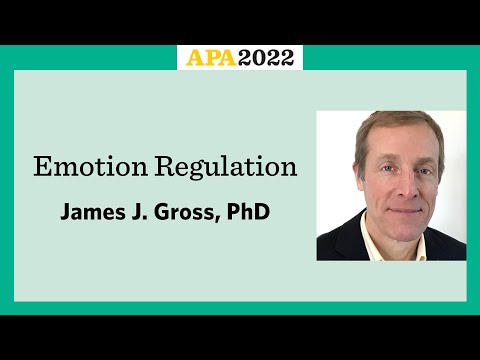
You know those days when your emotions feel like a rollercoaster? One minute you’re thrilled, and the next, you’re in a funk. It’s wild how feelings can swing like that.
Well, that’s where James Gross comes in. This guy’s done some serious digging into the science of how we handle our emotions. And let me tell you, it’s not just about keeping a stiff upper lip or pretending everything’s fine.
Gross has shaped the way we think about emotion regulation—how to manage those ups and downs without losing your mind. So, if you’ve ever wondered why some people breeze through tough times while others get stuck, stick around. There’s a lot to unpack here!
Understanding James Gross’s Emotion Regulation Theory: A Comprehensive Guide
Talking about James Gross’s Emotion Regulation Theory is like opening a door to understanding how we manage our feelings every day. Seriously, it’s fascinating stuff! So, let’s break this down in a way that feels real and relatable.
Emotion Regulation is all about how you handle your emotions. Think of it like trying to control the volume of your favorite song. Sometimes you need to crank it up, and other times, you dial it down. Gross’s research shows that we use different strategies for this—some are more effective than others.
First off, he identified five main strategies people often use:
What’s really cool here is that these strategies can be effective in different scenarios and they can also overlap sometimes! There are moments when one strategy works better than another depending on what’s going down in your life.
Now, think about your own experiences for second—you might have noticed that some days are just harder emotionally than others. Maybe it’s work stress or personal issues weighing on you. Understanding Gross’s theory could help you recognize which strategy might be useful in those moments.
There’s also something important here regarding whether these strategies are adaptive or maladaptive. Adaptive strategies lead to better emotional outcomes and overall well-being while maladaptive ones might feel easier in the moment but can cause more harm in the long run.
For example, imagine using attention deployment by scrolling through social media when you’re upset—it can provide temporary relief but doesn’t really fix anything long-term. On the flip side, choosing cognitive change could help reframe your feelings for growth and healing.
To wrap it up, James Gross’s theory gives us tools to navigate our emotional landscapes better—it highlights how we can wear different hats depending on what we’re dealing with emotionally each day. It reminds us that there’s no right or wrong way; it’s all about finding what helps us feel balanced and okay as we move through life’s ups and downs.
Understanding James’ Theory: A Comprehensive Look at the Science Behind Emotions
Understanding emotions can be a bit tricky, right? But there’s this fascinating theory by William James, which helps us wrap our heads around it. So in a nutshell, James proposed that emotions aren’t just these random feelings we experience; instead, they come straight from our bodily reactions to events. You know how when you’re scared, your heart races? That’s basically what he meant.
James’ Theory of Emotion is often called the “James-Lange Theory.” It goes something like this: you see something frightening (like a big spider), and your body reacts before you even think about it. Your heart might pound, your palms get sweaty, and only then do you feel that wave of fear wash over you. So it’s like your body says “Whoa!” and then your brain jumps in with the emotional label.
This idea kinda flips the script on how we typically think about emotions. Instead of feeling first and reacting physically afterwards, James suggested it’s all about those physical sensations leading to feelings.
Now let’s talk about James Gross. He took this idea further by diving into emotion regulation—this is how we manage our emotions after they’ve happened. Like if you’re really mad but know blowing up isn’t the best move at work, that’s where regulation comes in. Gross identified several strategies we use:
- Situation Selection: You might choose to hang out with friends who lift your spirits instead of staying alone when you’re down.
- Situation Modification: If a situation is making you anxious, like public speaking, you might prepare more or practice.
- Attention Deployment: Ever distract yourself with music when you’re feeling low? That’s this strategy.
- Cognitive Change: Here’s where reframing comes in—like thinking “It’s okay to fail sometimes” instead of “I can’t mess up.”
- Response Modulation: This involves directly managing how you feel—like taking deep breaths to calm yourself down when angry.
Each of these strategies helps shape how we experience emotions and can pretty much change our whole mood or outlook on life!
The thing is: not everyone has the same tools for regulating emotions. Some people are better at it than others because they might have learned helpful strategies growing up or through therapy.
In real life, think about someone preparing for their wedding day—it can be super stressful! They might use situation selection by surrounding themselves with supportive friends (the ones who make them laugh) and practice mindfulness techniques to manage that anxiety.
So yeah, understanding James’ theories on emotion helps us grasp why we feel what we feel and how we can control those feelings a bit better in day-to-day life. It emphasizes not only what happens inside us but also what we can do about it!
Understanding James-Lange’s Theory of Emotion: How Our Bodies Shape Our Feelings
The James-Lange Theory of Emotion is pretty interesting stuff. Basically, it flips the script on how we think about emotions. Instead of emotions being the cause of our physical reactions, this theory says that our bodies actually shape what we feel. Crazy, right?
So, let’s break it down a bit. Here’s the gist: when something happens—like you see a bear while hiking—your body reacts first. Your heart races, you start sweating, and adrenaline kicks in. Then, your brain interprets those physical changes as fear. So, in a nutshell: reaction first, emotion second.
There are some key points that might help clarify this whole theory:
- Physiological Response: According to James-Lange, it’s all about the body’s response to stimuli.
- Interpretation: After those physical changes happen, your brain has to interpret what they mean.
- Emotion Identification: Only after interpreting these responses do we actually feel an emotion.
Now, to get a bit into how this theory plays out in real life: let’s say you’re at a scary movie. You might notice your palms getting sweaty or your heart racing during the jump scares. According to this theory, those physical sensations happen first and then lead to feelings of anxiety or fear about what you’re seeing on screen.
This idea was super influential back in the day when psychologists were trying to figure out how emotions worked. But it also paved the way for other theories, like James Gross’s work on emotion regulation. Gross dives deeper into understanding how we manage our emotions after we feel them—like calming yourself down after that scare at the movies.
So basically, while James-Lange gives us insight into how our bodies influence feelings directly related to stimuli around us, Gross expands that understanding by discussing ways we can navigate those feelings once they arise.
But does this mean our thoughts and interpretations don’t matter? Nope! They play a big role too. Sometimes just thinking about why your heart is racing can help you calm down or even laugh off a situation you thought was scary.
In short: James-Lange tells us that our bodies are like little messengers for emotions—kicking things off before our brains even catch up with what’s going on! It’s like those moments when you realize your stomach drops because you suddenly remembered something stressful—you felt it before you fully processed it! So next time you’re feeling something intense, remember there might be more going on beneath the surface than just what meets the eye!
So, let’s talk about James Gross and this whole idea of emotion regulation. It’s pretty fascinating, really. You know, the way we deal with our feelings can change everything—how we react to stress, how we connect with others, and even how we think about ourselves.
Gross has this theory that breaks it down into a couple of key strategies: you’ve got your “situation selection,” where you avoid situations that might mess with your emotions. And then there’s “cognitive reappraisal,” which is all about changing your perspective on a situation to feel better. Sounds simple enough, right? But it’s not always easy in real life.
I remember a buddy of mine who always seemed to flip his mood way too quickly. Like one minute he was all smiles, and the next he was sulking just because his favorite team lost a game. I mean, sports can be intense! But instead of wallowing in those feelings all night, he started trying out some of Gross’s techniques. It took a while, but he learned to reframe things—like focusing on the fun of watching the game with friends rather than just stressing over the outcome. That shift made such a difference for him.
What I find cool about Gross’s work is that it shines a light on how much control we have over our emotions if we’re willing to put in some effort. Sure, emotions can feel overwhelming at times—like when you’re anxious before an important meeting or sad after a breakup—but understanding these strategies gives you options. You don’t have to just react; you can choose how to respond.
But here’s the kicker: while these techniques are super helpful for many people, they require practice and aren’t one-size-fits-all. Sometimes it’s tough just getting out of bed much less putting those strategies into action! The journey toward mastering your emotions isn’t linear at all; there are ups and downs along the way.
In the end, learning about emotion regulation feels like giving yourself permission to be human—to ride those waves without drowning in them. And honestly? That’s something everyone could use more of in their lives as they navigate this unpredictable world we live in. So yeah, thanks James Gross for making sense of this complicated emotional landscape we’re all trying to figure out together!