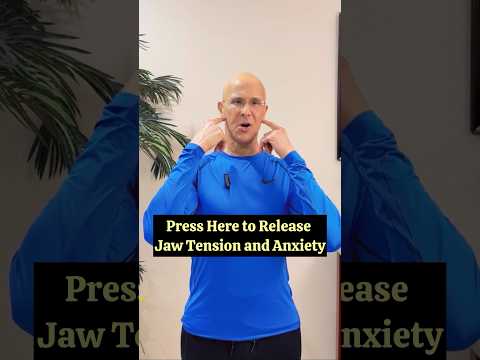
So, have you ever caught yourself clenching your jaw? It’s kinda wild how something so small can feel so huge, right?
Now, mix that with Lexapro, and we’ve got a whole other ball game. This medication helps tons of people with anxiety and depression. But, like anything else, it can come with its own quirks.
You know how it is—some side effects just sneak up on you. Is jaw clenching one of them? Yeah, it can be!
Let’s chat about that. I mean, understanding what’s going on in your body is everything. So hang tight as we unpack this whole jaw-clenching thing while on Lexapro together!
Understanding Jaw Clenching: The Connection Between Lexapro and Teeth Grinding
and teeth grinding, known as bruxism, can be a real pain—literally! Many people don’t realize that medications like Lexapro can play a role in these habits. Let’s break it down a bit.
So what’s the deal with Lexapro? It’s an SSRI, or selective serotonin reuptake inhibitor, which is just a fancy way of saying that it helps increase levels of serotonin in your brain. This can help with things like anxiety and depression, but, on the flip side, it might also trigger some unwanted side effects.
One common issue reported by folks on Lexapro is **muscle tightness**, particularly around the jaw area. Think about it—when you’re feeling anxious or stressed (which is often when people use SSRIs), your body goes into fight-or-flight mode. Your jaw might tense up without you even realizing it! Continuously clenching your jaw can lead to pain and discomfort in your teeth and jaw joints.
Now let’s talk about how this ties into teeth grinding. Many people grind their teeth at night without even knowing it. If you’re already taking something that may cause muscle tension like Lexapro, you could end up grinding your teeth more than usual.
Here are some things to consider:
- Stress Impact: Stress often increases muscle tension which leads to jaw clenching.
- Duration on Medication: For some people, the longer they’re on Lexapro, the greater the chance of experiencing bruxism.
- Awareness: Recognizing that you’re doing it is half the battle. Some people only find out when they visit their dentist!
- Pain Management: If you notice jaw pain or headaches upon waking up consistently, it’s worth chatting with a healthcare provider.
- Alternative Solutions: Things like stress management techniques or even dental guards may help alleviate symptoms.
I remember a friend who started taking Lexapro for his anxiety and noticed his headaches were getting worse each morning. At first, he thought he was just stressed out from work—but after visiting his dentist, he learned he’d been grinding his teeth while sleeping! They recommended a mouth guard for him to wear at night. It helped not only with his jaw pain but also made him more aware of how stress affected his body.
It’s really important to stay aware of how you feel while taking any medication—even if it’s just for anxiety or depression—and don’t hesitate to reach out to your doctor if anything feels off. They can provide insight or adjust your treatment plan as needed.
In short—Lexapro might be super helpful for your mental health but keep an eye out for those not-so-fun side effects like jaw clenching and teeth grinding. You deserve to feel great both mentally and physically!
Understanding Jaw Clenching: Does It Persist with SSRI Use?
Jaw clenching, or bruxism as it’s often called, is something a lot of people deal with but don’t really talk about. It’s that annoying clenching of your jaw, which can lead to headaches, tooth damage, and just overall tension in your face. And if you’re taking SSRIs like Lexapro, you might be wondering if they make that clenching worse or if it’ll stick around even when you’re treating your mental health.
So, what’s the deal with SSRIs? They’re a type of medication usually prescribed for anxiety and depression. They work by increasing serotonin levels in the brain, which can help boost your mood. But here’s where it gets tricky: one common side effect of these meds can actually be muscle tension and spasms. That means some folks might notice their jaw tightening more than usual after starting something like Lexapro.
The science behind this isn’t super clear-cut. Some studies suggest that SSRIs can lead to an increase in bruxism for certain individuals, while others find no significant connection. It really depends on the person. Your body is unique—what happens to one person might not happen to you at all.
If you’re already prone to clenching your jaw or grinding your teeth (like when stressed), adding an SSRI into the mix *might* amplify those habits. And let me tell you—stress is a big old trigger for bruxism! You know how sometimes when you’re anxious or overwhelmed, you’ll catch yourself biting down on your teeth? Yeah, that can happen more often if you’re on medication that affects muscle control.
But here’s the thing: it doesn’t mean everyone on SSRIs will experience this problem indefinitely. For many people, once their body adjusts to the medication—usually after a few weeks or months—the jaw clenching might decrease significantly or even go away entirely.
If you notice your jaw is feeling tight all the time after starting an SSRI like Lexapro, it’s definitely worth chatting with your doctor. They could suggest ways to help manage those symptoms—like relaxation techniques or even just being more mindful about how much you’re grinding those teeth during tense moments.
Another option might be trying some physical therapies like massages or stretching exercises tailored for jaw relief. Seriously, gentle stretches can do wonders!
In summary, here are some key points regarding jaw clenching and SSRIs:
You’ve got options! Keeping communication open with your doc can help ensure you find a balance between managing mental health and dealing with any pesky side effects like jaw clenching. Remember: taking care of yourself is what really matters here!
Effective Techniques to Release Jaw Tension Caused by Anxiety
When anxiety kicks in, it can really do a number on your body. One sneaky spot where tension often builds up is in your jaw. You might find yourself unconsciously clenching your teeth or grinding them, especially if you’re feeling stressed out. It’s not just annoying; it can lead to headaches and even dental issues. So, what are some effective ways to release that pesky jaw tension? Let’s break it down.
First off, awareness of the clenching is key. Seriously, just noticing when you’re doing it can help you catch yourself and relax. You might be sitting at your desk or watching TV when suddenly, you realize your jaw feels tight. The thing is, once you’re aware, you can start practicing some techniques to ease the pressure.
One helpful approach is progressive muscle relaxation (PMR). It sounds fancy but it’s pretty straightforward. You tense up a muscle group for a few seconds and then let go. Try this with your jaw: clench your jaw tight for five seconds—count them if you’d like—then release and let your mouth hang loose. Feel that difference? This helps train your body on how to relax those muscles.
Another effective method is deep breathing. It’s amazing how something as simple as taking a few slow breaths can calm your nervous system. Inhale deeply through your nose, hold it for a moment, then slowly exhale through your mouth like you’re blowing out birthday candles. Do this several times while focusing on relaxing each part of your body, especially around the jaw area.
You might also want to try gentle stretches. Open your mouth wide like you’re yawning—don’t be shy, really go for it! Then gently move your jaw side to side and forward and back as far as feels comfortable; just be careful not to overdo it! These stretches can release built-up tension without much effort.
Using warmth or cold can also help soothe those tense muscles. Applying a warm compress or even a warm cloth against your jaw for about 10 minutes can work wonders—like getting a nice hug from inside! Alternatively, some folks find relief with a cool pack if they prefer that sensation.
And hey, don’t forget about staying hydrated. Sometimes dehydration can exacerbate muscle issues because our bodies need water to function well. So sip some water throughout the day—it’ll help more than you think!
If you’re taking medications like Lexapro that may contribute to tension (common side effects include muscle tightness), it’s important to chat with your doctor about what you’re experiencing. They might offer adjustments or other suggestions tailored just for you.
Finally, remember to keep up with regular exercise; yeah I know it’s not always easy! But moving around can reduce overall stress levels significantly—and let me tell you from experience: nothing beats finding ways to unwind through activities like yoga or even going for walks in nature.
In summary: stay aware of how you’re holding onto stress in that jaw of yours, practice deep breathing techniques combined with gentle stretches or heat/cold treatments, drink water regularly, and keep moving! With these tools under your belt—or rather under those tense jaws—you’ll likely feel a lot lighter both physically and mentally over time!
You know, jaw clenching isn’t something most people think about until they’re sitting in a dentist’s chair or, like, feeling that weird ache after a long day. But it can actually be a pretty big deal. It’s one of those physical manifestations of stress and anxiety. And if you’re on Lexapro—an antidepressant that many folks take for anxiety and depression—you might notice those tight jaws more often.
I remember this one time, I was at work, kind of overwhelmed by deadlines and all that. I realized my jaw was so clenched that it felt like I was trying to crush a rock. Just thinking about how much pressure I was putting on myself—emotionally and physically—made me even more tense! And honestly? It made me wonder if the medication I was taking had anything to do with it.
Lexapro works by balancing serotonin levels in your brain, which is super helpful for easing anxiety. But medications can have side effects too. Some people report muscle tension or cramps as part of their experience while on it. So, if your jaw’s feeling like it wants to start its own workout routine every time you’re stressed, you might want to think about whether your meds are playing a role.
It’s important to talk about these things with your doctor. There’s no shame in saying, «Hey, I’ve been clenching my teeth a lot since starting this med.» Sometimes adjusting the dose or trying something different could help ease both mental health issues and those pesky physical symptoms.
But here’s the thing: It really helps to find ways to manage stress too! Things like mindfulness exercises or even just taking regular breaks can make a big difference. Seriously—you’d be surprised how something as simple as deep breathing can chill out those tight jaws.
So yeah, navigating mental health effects with stuff like jaw clenching while on Lexapro isn’t ideal but doesn’t have to derail you either. Just keep listening to your body and talking to your healthcare providers so you can find what works best for you!