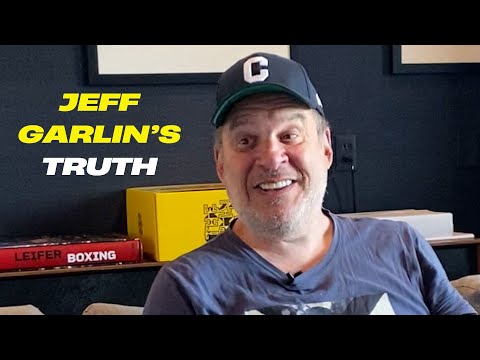
You know Jeff Garlin, right? The guy from “Curb Your Enthusiasm”?
Well, he’s not just a funny face on TV. He’s also been pretty open about his struggles with bipolar disorder. It’s something that hits hard for a lot of people, and he’s not shy about sharing his journey.
Imagine dealing with the ups and downs of life while trying to navigate Hollywood. Crazy, huh?
But Jeff’s story is more than just challenges; it’s about hope, growth, and learning how to cope. You might find his honesty refreshing—and hey, it might even resonate with you in some way.
Let’s dig into what he’s gone through and how he’s managed to keep going despite it all.
Exploring the Allegations Against Jeff Garlin: Impacts on Mental Health and Public Perception
Jeff Garlin has been in the spotlight for various reasons, and recently, allegations against him brought up some serious conversations around mental health. You might have heard about his journey with bipolar disorder, which adds another layer to the discussion about public figures and their struggles.
Bipolar disorder can be a tricky beast. It often leads people to experience extreme mood swings—from feeling super high-energy and euphoric during manic episodes to deep lows that can leave them feeling hopeless. Garlin’s openness about his condition has helped many understand that mental health isn’t something you just “get over.” It’s a lifelong journey.
When allegations surfaced about his behavior on set, many people reacted quickly. Some might think, «Well, he should just act better.» But the truth is, mental health conditions can complicate behavior. Someone with bipolar disorder might exhibit impulsive actions or say things without fully considering the consequences—this doesn’t excuse harmful behavior but gives you a glimpse into how mental illness affects decision-making.
Public perception also plays a huge role in these situations. People often jump to conclusions based on snippets of news or social media buzz. Like, imagine seeing a headline about an episode where someone didn’t handle their mood swings well; it’s easy to forget there’s more behind that story. You know? When folks don’t understand the nuances of mental health conditions, they often jump on the gossip bandwagon instead of acknowledging what someone like Garlin is facing.
This kind of scrutiny can seriously impact someone already dealing with mental health issues. Imagine trying to navigate your emotions while everyone is watching your every step—yeah, that’s tough! Mental illness already comes with its share of stigma; adding public scrutiny makes it feel heavier than it needs to be.
Support systems are crucial in instances like this. Friends, family, and even fans can play a pivotal role in helping an individual cope during challenging times. Having people who understand your struggles makes a world of difference when you’re dealing with negativity from outside sources.
You don’t need to look far for examples of this ripple effect in other celebrities’ lives—there’s been quite a few who’ve faced backlash due to their struggles with mental health while attempting recovery at the same time. The reality is that navigating fame and mental illness is fraught with challenges that many never have to face.
In discussing Garlin’s experiences publicly, we also get an opportunity to shed light on bipolar disorder, what it means for those living with it, and how society reacts when individuals fail or slip up under pressure—not just from their mental state but also public demands.
While it’s easy for people to point fingers or lay blame without understanding the entire picture, remember: empathy goes a long way in these conversations. So yeah, keep an open mind when anyone talks about their own battles—whether they’re famous or not—because everyone’s journey is unique and deserves respect.
Jeff Garlin’s journey with bipolar disorder is one that, honestly, hits home for a lot of people. You know him from “Curb Your Enthusiasm” and his work in stand-up comedy, but beneath that humor lies a personal struggle that’s profoundly relatable.
So, yeah, he’s open about his mental health challenges, which is huge. Many celebs shy away from sharing real experiences with mental health because… well, stigma? But Garlin? He talks about it like it’s just another part of who he is. That takes guts.
I remember reading about an interview where he discussed the ups and downs—those extreme swings of mania and depression can feel like riding a rollercoaster you didn’t sign up for. One minute you’re flying high on creativity and plans that seem totally doable, and the next moment you’re plunged into this heavy fog where getting out of bed feels like running a marathon. It can be really isolating.
There was this one moment during an interview where he described how, during manic episodes, he’d have this wild energy to create. But then he’d crash so hard it felt like being hit by lightning when the fun ended. I mean, imagine being at the top of your game one day and then feeling all these negative thoughts swirling in your head the next—how exhausting!
Garlin also emphasizes the importance of therapy and medication in managing his condition. It’s refreshing to hear someone in the public eye talk candidly about seeking help. He’s made it clear that medication isn’t a magic pill—it doesn’t erase struggles—but it helps him navigate life a bit easier.
What really stands out to me is how he uses humor to cope with his experiences. Laughter can be such a powerful tool when dealing with mental health issues; it lightens things up even just a little bit. By sharing his story publicly, Garlin helps break down barriers for others who feel lost or scared to speak up about their own journeys.
His openness encourages understanding and compassion around mental health issues—a callout for everyone to care just a little bit more about each other’s struggles. In a world full of pressures and expectations, it’s comforting to see someone like Jeff Garlin remind us that we’re not alone in our battles with mental health; there are always ways through it together!