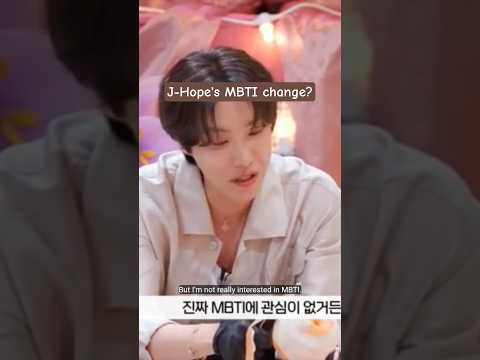
You know J-Hope, right? The guy from BTS who’s all about that sunshine vibe? Well, he’s not just known for his amazing dance moves and killer catchy songs.
He’s also got an MBTI personality type that gives us a peek into who he really is. Seriously, it’s like a secret little window into his mind.
So, here’s the thing: understanding J-Hope’s type can actually tell us a lot about mental wellness. It’s wild how personality can shape our emotional health and coping strategies.
Let me break it down for you. We all have our quirks and ways of dealing with stress, and J-Hope is no different. You might find his story relatable—because at the end of the day, we’re all just trying to navigate life, right?
Exploring J-Hope’s Personality Type: Insights into the BTS Star’s Unique Traits
So, J-Hope, the bright and energetic member of BTS, has captured hearts not just with his killer dance moves and rapping skills but also with his unique personality traits. Let’s break down what really makes him tick.
First off, J-Hope identifies as an ENFJ in the MBTI framework. This means he’s an extroverted, intuitive, feeling, and judging type. You know what that translates to? He thrives in social situations and loves being around people. It’s no wonder he shines on stage!
Now, let’s dive into some of those traits:
- Empathy: One of J-Hope’s standout qualities is his deep sense of empathy. He’s known to be someone who genuinely cares about others’ feelings.
- Optimism: You can feel his positive vibe whenever he speaks or performs! It’s like he has this inner sunshine that motivates not just him but everyone around him.
- Leadership: ENFJs are often natural leaders, and J-Hope is no exception. He helps guide the group with warmth and encouragement.
- Create Connections: Whether it’s through music or comments during interviews, he seeks genuine connections with fans and fellow members.
Now let me share a bit about how these traits can impact mental wellness. Having a strong empathetic side can lead to emotional burnout if not managed well. Imagine feeling everyone else’s pain on top of your own—it can get heavy! But for J-Hope, it seems like he channels that energy into uplifting others, which may help keep him balanced.
But hey, there’s more to this vibe than just sunshine and rainbows. The whole extroverted nature means he might crave connection a little too much sometimes. When life gets overwhelming—or when he’s on a break—he might find it difficult to recharge without solitude.
Also worth mentioning is his ability to inspire creativity within the group. This knack for innovation isn’t just limited to music; it spills over into other areas too—like fashion choices or even how they interact as a team!
In summary, J-Hope’s ENFJ personality type provides a fascinating glimpse into how his vibrant traits shape both his creativity and relationships—a blend that fuels not only BTS’s success but also serves as a reminder of the importance of nurturing one’s mental health amidst the spotlight.
“Exploring Hoseok’s Health: Understanding Munchausen Syndrome and Its Implications”
Munchausen Syndrome is a pretty tricky mental health condition. Basically, it involves someone pretending to be sick or faking symptoms to get attention or sympathy. It’s not just about wanting attention, though; there’s usually a deeper emotional struggle behind it. For those dealing with this syndrome, the need to feel cared for can be overwhelming.
Now, talking about Hoseok, a member of BTS known as J-Hope, brings an interesting angle into play. People often wonder how his MBTI personality type might connect with mental wellness—especially in the context of something like Munchausen Syndrome. J-Hope is often seen as an enthusiast and people-pleaser, traits that can lead to emotional challenges. If someone naturally seeks approval and affection from others, they might unknowingly lean towards behaviors associated with Munchausen Syndrome.
Imagine being in a situation where you feel undervalued or neglected. You might start exaggerating ailments just to capture some attention. This feels relatable for many who struggle with low self-esteem or social anxiety—emotions that can easily bubble up when you’re constantly in the public eye like J-Hope.
Let’s break down a few key points about Munchausen Syndrome:
- Emotional Pain: The desire for attention often masks deeper emotional wounds.
- Seeking Care: Those with this syndrome often crave the nurturing that comes from being «sick.»
- Complicated Relationships: It can strain relationships because loved ones may struggle to differentiate between real and feigned illness.
- Treatment Options: Therapy is essential; it helps address the underlying issues fueling these behaviors.
The implications of Munchausen Syndrome go beyond just personal experiences; they affect families and friends too. People close to someone displaying these behaviors might feel confused or even angry at times because they want to help but don’t know how.
Connecting this back to J-Hope’s personality type—an extroverted, feeling individual—can show how someone so vibrant on stage may still wrestle with internal conflicts offstage. You know? This duality can make it tough for fans and observers to recognize when their favorite stars are really struggling behind their charismatic personas.
So while we appreciate J-Hope’s energy and positivity, let’s remember that mental health issues like Munchausen Syndrome can lurk beneath the surface—even for those who seem most at ease in front of the spotlight. Understanding these dynamics highlights why compassion and awareness around mental health are just so crucial in our society today.
Exploring Anxiety Among BTS Members: A Look into Mental Health in K-Pop
Anxiety is a big deal, especially in the high-pressure world of K-Pop. You might have heard about BTS and how they’ve opened up about their mental health struggles. J-Hope, for instance, shares a lot about his experiences, which sheds light on anxiety in such a demanding industry.
K-Pop idols face constant scrutiny and pressure to perform perfectly. It can be overwhelming. J-Hope has mentioned feeling anxious before performances, and it’s not just him. Many K-Pop stars deal with similar feelings, often due to the intense expectations from fans and the industry.
Let’s talk about **MBTI**, which stands for Myers-Briggs Type Indicator. It’s like a personality test that sorts people into 16 different types based on their preferences in how they perceive the world and make decisions. J-Hope identifies as an ENFP, meaning he’s extroverted, intuitive, feeling, and perceiving. This type tends to be enthusiastic and creative but can also feel deep emotions easily.
Since J-Hope is an extroverted type, he thrives in social situations but also feels the weight of anxiety during those big moments when everyone’s watching him. His openness about these feelings helps fans understand that even someone so talented struggles sometimes.
In addition, BTS as a whole discusses mental health openly through their music and interviews. They emphasize that it’s okay not to be okay sometimes. This message can resonate with many fans who experience anxiety themselves.
Some key points about anxiety among K-Pop stars include:
- High pressure: Constantly being in the spotlight can trigger anxiety.
- Perfectionism: The need to always be perfect can be exhausting.
- Lack of personal time: Idols often have packed schedules without much downtime.
- Support systems: Having friends or members who understand mental health is crucial.
Anecdotes from idols show that talking about mental wellness has gradually become more acceptable in K-Pop culture. When J-Hope shared his feelings of unease regarding public appearances, it helped others feel less alone in their struggles.
This conversation around mental health is vital because it shows fans that they aren’t alone either—anxiety doesn’t discriminate; it can affect anyone regardless of talent or fame. By sharing stories like J-Hope’s, BTS promotes a healthier conversation around this topic which is seriously needed now more than ever!
So, let’s chat about J-Hope and his MBTI type, shall we? He’s an ENFJ, which stands for Extroverted, Intuitive, Feeling, and Judging. Now, you may be wondering how that relates to mental wellness. Honestly, it’s pretty interesting!
Being an ENFJ means J-Hope is all about connection and empathy. They thrive on inspiring others and lifting people up. Remember that time he took a moment during a concert to connect with fans? You could just feel the love! That kind of energy has a huge impact on mental wellness. When you’re around someone who radiates positivity, it can help you shake off your worries. Seriously!
But here’s the thing: being so engaged with others can also be exhausting. It can leave someone like him feeling drained. I mean, it’s great to be there for your friends and fans, but what happens when you forget to tend to your own needs? It’s like that saying: «You can’t pour from an empty cup.» Balancing his natural inclination to help others with self-care is really crucial.
The cool part about knowing someone’s MBTI type is that it can guide how they take care of their mental health. For J-Hope, going deep into creative projects or dancing seems like a way for him to recharge. Those moments where he expresses himself through art allow him to process his feelings and channel them into something beautiful.
So yeah, if you’re feeling overwhelmed or lost—like sometimes we all do—maybe it helps to lean into what makes you feel alive too. Just look at how J-Hope gets energized by performing or spending quality time with friends! Finding those little things in life that spark joy could seriously change your outlook.
In the end, knowing about someone’s MBTI can shed some light on their emotional world and how they cope with life’s ups and downs. Just imagine if more people embraced their unique ways of dealing with stress—how wonderful would that be? Keeping it real with support from each other is what it’s all about!