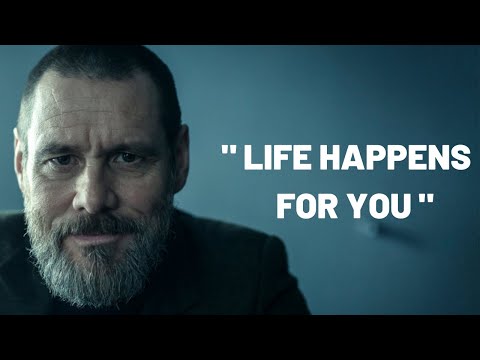
So, you know Jim Carrey, right? The guy who made us laugh till we cried? He’s not just a funny face, though. There’s a lot more going on underneath that wild persona.
He’s had his fair share of struggles with mental health. Seriously. His journey through Borderline Personality Disorder (BPD) and other challenges is kind of a rollercoaster ride.
But what really gets me is how honest he’s been about it all. Like, he’s not afraid to show the messy parts of life. That takes guts.
Let’s dive into Jim’s story—because it’s not just about laughter; it’s about finding hope in the darkest times too. You ready?
Exploring Jim Carrey’s Life Challenges: Triumphs and Struggles in Mental Health
Jim Carrey is a name we all know, right? He’s made us laugh with his wild characters and crazy antics. But behind that laughter, there’s a whole other story. Carrey has shared some pretty vulnerable moments about his struggles with mental health, particularly with Borderline Personality Disorder (BPD). So, let’s take a closer look at his journey through these challenges and triumphs.
First off, what’s BPD? It’s a mental health condition characterized by intense emotions, unstable relationships, and challenges in self-image. People with BPD often experience mood swings that can feel like emotional whiplash. Carrey himself has described feeling deeply connected one moment and then extraordinarily distant or empty the next. Imagine being on an emotional rollercoaster—thrilling yet terrifying.
Carrey’s upbringing played a significant role in shaping his mental health narrative. He faced a lot of hardships growing up. His family struggled financially, and he had to deal with bullying in school. These experiences likely contributed to the feelings of rejection and abandonment that are common in people with BPD.
Despite these struggles, he found relief through comedy and acting. Like many comedians, he used humor as a coping mechanism—a way to channel that pain into something creative and uplifting for others. There was this time when he performed at The Comedy Store in LA; it was just him on stage pouring out everything—from joy to despair—and you could see that cathartic release transforming the room.
As he rose to fame, things weren’t all sunshine and rainbows for him. The pressures of stardom can be overwhelming! There were moments when he felt lost amidst the glitz and glamor of Hollywood life. He opened up about battling depression during high points in his career as well; sometimes it feels like there’s no escape from your own head—even if everyone around you thinks you’ve got it all figured out.
But here’s where things get interesting! Carrey doesn’t shy away from discussing these darker times openly. He understands that he’s not alone in this struggle; many people deal with similar issues but may feel too ashamed or scared to talk about them. This willingness to be vulnerable? That takes serious guts!
Carrey also turned to spirituality later on for some grounding amidst the chaos within himself. He talks about meditation as something that helped him find peace—some quiet amongst all those swirling thoughts—making space for clarity instead of confusion.
Yet even now—years into his career—he acknowledges that healing isn’t always linear. Some days are great while others can be filled with self-doubt or sadness—it’s like walking along an endless path where bumps pop up unexpectedly!
So yeah, Jim Carrey’s life is a mix of ups and downs but ultimately reflects resilience—the ability not only to endure but also thrive despite mental health challenges! By sharing his story authentically, he’s influencing others who may find themselves struggling similarly.
In short? Jim Carrey shows us how laughter can coexist alongside pain while reminding us it’s okay not to feel okay sometime! Mental health is a journey—and understanding this helps break down stigma around these conversations—a step towards healing together.
Exploring Jim Carrey’s Iconic Schizophrenic Character: A Deep Dive into Mental Health Representation in Film
Jim Carrey has this incredible ability to make us laugh until we cry, but some of his roles also make us think deeply about mental health. One of the most unforgettable characters he played is Andy Kaufman in “Man on the Moon.” This character really pushes us to consider how mental illness can be represented in film.
Carrey’s portrayal of Kaufman can feel like a rollercoaster, right? You see him going from hilarious stand-up routines to these really troubling moments that hint at deeper issues. For folks who are familiar with schizophrenia, it’s a serious mental health condition that affects how someone thinks, feels, and behaves. In the movie, there are scenes where Kaufman seems disconnected from reality, almost like he’s living in his own world.
This kind of representation sparks conversation about mental illness and how it’s viewed by society. A lot of people might see this and think, “Oh wow, that’s what schizophrenia looks like.” But here’s the gist: not everyone with schizophrenia is like Andy. It varies so much from person to person.
It’s also worth mentioning Jim Carrey’s real-life struggles. He has opened up about battling Borderline Personality Disorder (BPD) along with depression at times. This adds another layer to understanding his characters because you realize they might reflect parts of his own journey. Like when Kaufman would switch from being charmingly odd to displaying signs of distress—those transitions mirror Carrey’s emotions in a way.
There’s something powerful in seeing these complex portrayals on screen; it creates empathy and awareness around mental health issues. But we also need to be cautious because sometimes films can oversimplify or sensationalize conditions for dramatic effect.
When it comes down to it, you really get this blend of humor and tragedy in Carrey’s performance. It emphasizes that while laughter is important, we also have to take mental health seriously. There are many dimensions to both Kaufman’s character and Carrey himself—showing us that life isn’t just one note.
In summary:
- Jim Carrey plays Andy Kaufman in «Man on the Moon,» who shows signs often associated with schizophrenia.
- The film opens conversations about how mental illness is portrayed in media.
- Kaufman’s character reflects a struggle with reality but isn’t representative of every individual with schizophrenia.
- Carrey himself has faced challenges with BPD, giving weight to his performances.
- This mix of humor and sadness invites viewers to reflect more deeply on mental health.
So basically, while Jim Carrey makes us laugh hard, he also nudges us toward understanding the complexities behind those laughs—showing that everyone has their battles underneath the surface.
Understanding Jim Carrey’s Learning Disability: Insights into His Journey and Resilience
Jim Carrey, the famous comedian and actor, isn’t just known for his wild characters and hilarious antics. He has openly talked about his struggles with mental health and a learning disability that shaped his journey. You might be surprised to learn about his resilience in the face of these challenges.
Carrey was diagnosed with learning disabilities as a child. It wasn’t just about being “bad” at school; he struggled significantly with things like reading and writing. Imagine feeling like you’re swimming against the current while others are gliding along effortlessly. That’s what it felt like for him. Despite this, he didn’t let it define him.
During his school years, Carrey faced a lot of bullying. Kids can be pretty cruel, and it really hit him hard. He often kept to himself because of the shame surrounding his learning difficulties. But here’s where it gets interesting: instead of allowing that pain to crush him, he turned to comedy as an escape route. Yep! He discovered that making people laugh not only helped him cope but also gave him confidence.
Resilience is a big word here—Carrey demonstrated that even when things got tough, he could bounce back stronger than before. In interviews, he mentioned how humor became a shield for him. It was his way of connecting with others when things felt overwhelming or isolating.
Now, let’s talk about how these struggles influenced his mental health journey later on. Carrey has been open about dealing with Bipolar Disorder (BPD). The ups and downs associated with BPD can feel like riding a roller coaster—one moment you’re at the top of the world; the next, you might be deep in despair.
While navigating all this, Carrey also faced moments of intense depression and anxiety. But rather than hiding away from those feelings, he sought help through therapy and medication at times. It’s really inspiring because many people still avoid talking about mental health challenges.
Here are some key insights into his journey:
- Embracing Vulnerability: Carrey learned that vulnerability could be powerful; sharing his story helped break down stigma.
- The Role of Creativity: Comedy wasn’t just an escape; it transformed into a coping mechanism aiding in processing emotional turmoil.
- Seeking Support: Openly discussing therapy shows that there’s no shame in seeking help when needed.
At one point in Carrey’s life, he faced immense pressure during peak success—the kind we often imagine being perfect would bring happiness. That was not the case for him; he experienced depressive episodes even while on top of the world.
The thing is, Jim Carrey teaches us that our struggles don’t have to hold us back forever. They can shape who we are but don’t define our worth or potential. You see? Like anyone else facing challenges related to mental health or learning disabilities, resilience plays a huge role in carving out paths towards success—and sometimes laughter is one of our best tools!
Jim Carrey’s journey through mental health issues is, like, a real rollercoaster ride. You know him as this hilarious guy who can make anyone laugh with his wild impressions and over-the-top characters. But behind that big smile and those goofy antics lies a struggle with Borderline Personality Disorder (BPD) and some serious mental health challenges.
I remember watching an interview where he opened up about his battles. It hit me hard because it’s easy to assume that someone as funny as Jim has it all together, right? But he talked about the deep lows he experienced, feelings of emptiness, and that constant fear of abandonment. It was raw and honest, reminding us that even our favorite comedians can feel very alone at times.
Carrey’s experiences really shed light on how BPD can affect relationships and self-image. There’s this intense emotional pain that comes with it—one minute you’re on top of the world, and the next minute you feel like you’re crumbling. He expressed how it affected his friendships and romantic relationships too. I mean, just think about how tough it must be to navigate life feeling so much more intensely than others around you.
What stands out is how Carrey has turned his pain into creativity. He uses art as an outlet for his emotions—whether it’s painting or acting—and that’s seriously inspiring. It’s like he found a way to transform his struggles into something beautiful.
And let’s not forget about the stigma around mental health! When someone like Jim Carrey talks openly about their struggles, it helps normalize these conversations. It reminds us that vulnerability takes strength—a lesson we could all use now and then.
In the end, Carrey’s journey is a poignant reminder of the complexities of life. Laughter may be his superpower, but underneath it all lies a very human story of challenges and resilience. His experience teaches us to be kinder to ourselves—and to those around us—because you never know what battles someone is fighting behind closed doors.