You know Jordan Peterson, right? He’s that brilliant guy who dives deep into psychology and human behavior. Well, he’s got some pretty interesting thoughts on various mental health issues.
One that stands out is Borderline Personality Disorder (BPD). It’s a tough nut to crack. If you’re not familiar, it can really mess with how people experience emotions and relationships.
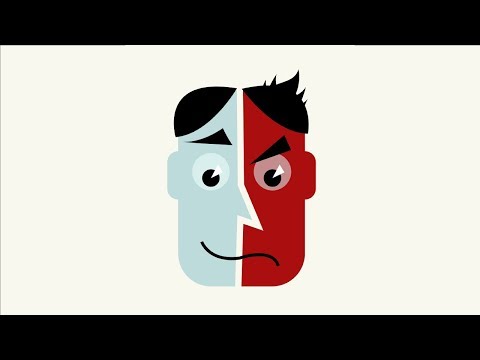
I mean, imagine feeling like your feelings are on a rollercoaster, constantly flipping between happiness and despair. That’s what many folks with BPD go through.
Peterson talks about it in ways that make you stop and think. Whether you agree with him or not, his insights can shine a light on the struggle behind the diagnosis.
So let’s chat about what he thinks—and maybe even learn a bit more about this complex condition together. Sound good?
Understanding BPD: Lifespan Insights and Myths About Living Beyond 27
Borderline Personality Disorder, or BPD, can feel like a rollercoaster ride. Seriously, it’s like one minute you’re up and the next you’re down. Understanding this condition is key to navigating life, especially as myths swirl around it and about how it plays out over time.
First off, let’s talk about what BPD really is. It’s a mental health condition characterized by intense emotions and unstable relationships. People with BPD often experience a fear of abandonment and may engage in impulsive behaviors. You could say it’s like living with your emotions on overdrive—not always easy to manage.
A big myth that pops up is that you can’t live a fulfilling life past the age of 27 if you have BPD. That’s just not true! Research shows that many folks with BPD actually improve as they age. They might even find better coping mechanisms and more stable relationships as they hit their 30s and beyond.
Imagine someone named Sarah who struggles with BPD in her 20s. She goes through rocky relationships, feels intense anger, and sometimes acts impulsively when she feels rejected or abandoned. But as she matures, she starts therapy—maybe Dialectical Behavior Therapy (DBT), which focuses on building skills to handle intense emotions.
As Sarah approaches her 30s, she begins to recognize patterns in her behavior. She learns how to communicate better and handle conflicts without feeling like the world is ending every time someone disagrees with her. Over time, she finds meaningful friendships that help her feel more secure.
Here are some key points about living with BPD across the lifespan:
- Improvement Over Time: Many people see their symptoms lessen significantly as they get older.
- Therapeutic Growth: Engaging in therapy helps build resilience and emotional regulation skills.
- The Power of Support: Stable relationships can make a world of difference—more support leads to better outcomes.
- Misinformation: The idea that people with BPD can’t thrive after a certain age simply isn’t backed by research.
Life doesn’t stop at 27; it can actually get better! And while there might be hiccups along the way—like setbacks or bad days—it doesn’t mean all hope is lost.
Another important piece of this puzzle? Society’s perception of BPD often feeds into stigma. Jordan Peterson has sparked conversations around mental health which sometimes oversimplifies things. It’s crucial to remember that living with BPD involves nuance; every person’s journey is different!
In short, if you or someone you know deals with Borderline Personality Disorder, know this: it’s possible to lead a fulfilling life at any age. Recovery isn’t linear; it’s more like an intricate dance—sometimes you step forward gracefully, while other times you stumble but get back up again.
So yeah, don’t let age define your journey with BPD! Embrace opportunities for growth—it’s never too late for change!
When it comes to Jordan Peterson and his thoughts on Borderline Personality Disorder (BPD), you can’t help but feel like there’s a lot of passion behind what he says. You know the type; he’s all about understanding the complexity of human behavior and the struggles we face. It’s like he’s trying to peel back the layers of our emotional experiences.
Peterson often highlights the importance of responsibility and personal agency, even when discussing something as challenging as BPD. He sees it not just as a clinical diagnosis but as part of a larger narrative about how people grapple with their emotions and relationships. I remember chatting with a friend who had been diagnosed with BPD, and they shared how hard it was to feel that intense emotional rollercoaster daily. It’s exhausting when your feelings shift so rapidly, like being on this wild ride that you can’t control.
What makes Peterson’s views intriguing is his focus on meaning-making. He believes that finding purpose in chaos can be a lifeline for those struggling with disorders like BPD. It resonates when you think about how much clarity we seek in our lives, especially during turbulent times. For someone dealing with such intense emotions, having something meaningful to latch onto can make navigating the storm feel a bit more manageable.
Of course, some might find his perspectives controversial or even blunt at times. He doesn’t sugarcoat things—he talks about facing the darkness rather than avoiding it, which can be both empowering and daunting. It’s like saying, “Hey, stand up to your demons; take charge!” while simultaneously recognizing that those demons are tough.
Listening to Peterson talk about BPD brings up an important question: How do we balance personal responsibility with understanding that mental health conditions often come with their own set of challenges? It’s tricky territory, but ultimately aims at fostering resilience in ourselves and others.
So when you take in all that Peterson shares regarding BPD, it’s more than just academic knowledge—it’s an exploration into what makes us human: our struggles, our triumphs, and everything in-between. And honestly? That can feel pretty comforting in its own way.