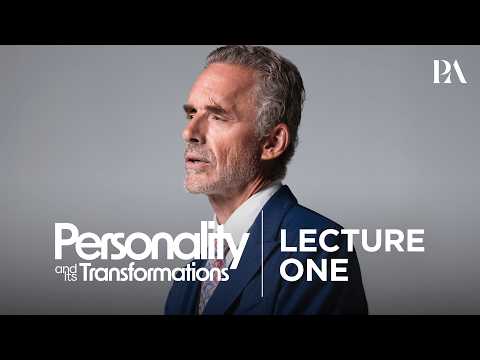
So, have you heard about Jordan Peterson’s personality test? Yeah, it’s making waves.
I mean, people are buzzing about it everywhere. And honestly, who doesn’t love a little self-discovery?
This test gives you some pretty cool insights into your own quirks and traits. It’s like looking in a mirror—kind of wild, huh?
A lot of folks swear by it, claiming they’ve learned so much about themselves. Seriously!
Curious? Let’s dig into what this test is all about and why it might just be worth your time.
Discover the Personality Test Recommended by Jordan Peterson for Personal Growth
Personality tests can be a real eye-opener. You know, they help you get a better grasp of your own nature. Jordan Peterson, a clinical psychologist and author, often points to the **Big Five personality traits** as a solid way to understand ourselves. This model breaks personality down into five key dimensions: openness, conscientiousness, extraversion, agreeableness, and neuroticism.
You might wonder how this all connects to personal growth. Well, here’s the thing—understanding where you fall on these five traits can really help you see what you’re good at and where you might want to improve. For example:
So, when Peterson recommends this test for personal growth, he’s encouraging people to reflect on their scores in each category. It’s not just about knowing your type, but what that knowledge can do for your life choices.
Let me give you an example: consider someone who scores low on agreeableness but high on conscientiousness. They may excel at work because they get stuff done efficiently but might struggle in team settings where cooperation is important. Recognizing this pattern could guide them towards personal development—like learning some conflict resolution strategies or being more open to feedback.
It’s pretty cool how understanding yourself better can shape your relationships too! You start noticing patterns in communication styles or stress responses that can be addressed for healthier interactions.
On top of that, Peterson often links these traits to real-world outcomes like job performance and mental health success rates—just proving again that knowing yourself is not just touchy-feely stuff; it’s practical too!
In sum, if you’re interested in personal growth or just figuring out why you do what you do sometimes (and hey, who isn’t?), taking a deeper look at the Big Five personality traits can be super insightful—and maybe even life-changing!
Exploring the Jordan Peterson Approach to Psychology: Insights and Principles
Jordan Peterson is a well-known figure in psychology, and he’s got some really interesting ideas that have sparked a lot of conversations. His approach blends psychology, philosophy, and even mythology, which makes it pretty unique. So, let’s break down his contributions and insights without getting too bogged down in jargon.
One of the key aspects of Peterson’s work is the emphasis on **personality traits**. He often discusses the Big Five personality traits—openness, conscientiousness, extraversion, agreeableness, and neuroticism. These traits help explain how we behave and react in various situations. For instance:
You can see how knowing where you stand on these scales can give you insights into your behavior and relationships. For example, if you’re high in neuroticism, maybe that explains why you’re quick to worry about things others might brush off.
Peterson also created a **personality test** based on these traits. Taking the test not only helps you understand yourself better but also emphasizes self-improvement. It’s like holding up a mirror; when you see your results, it might be an eye-opener! You might realize that your tendency toward high conscientiousness has helped in your career but has also made your personal life feel a bit rigid.
Another big theme for Peterson is **meaning**—the search for it plays a huge role in mental health. He argues that having a sense of purpose can guide people through tough times. Think about it: when you’re feeling lost or overwhelmed, finding something meaningful to anchor yourself can make all the difference.
He often references stories from mythology and religion as metaphors for understanding human experiences. For instance, he talks about the hero’s journey—a classic narrative structure where someone faces significant challenges and emerges transformed. Relating this to real life makes it clearer why we face struggles: they’re not just obstacles but opportunities for growth.
Now let me touch on **responsibility** because it’s another cornerstone of his philosophy. Peterson advocates for taking personal responsibility for one’s actions and choices as a way to foster resilience and strength. When you embrace responsibility—like owning up to mistakes—it changes your perspective significantly.
Of course, his ideas stir up debate; some folks really resonate with his views while others have serious critiques of them. But regardless of where you land on that spectrum, diving into his approach provides valuable insights into the human psyche.
Ultimately, what Jordan Peterson offers is a blend of psychology with practical life advice wrapped up in complex narratives about meaning and existence. It pushes us to think through our behaviors critically while encouraging exploration into what makes us tick emotionally.
So there you have it! The essence of Jordan Peterson’s approach is all about understanding ourselves deeply—a journey worth taking if you’re up for discovering more about who you are!
Exploring Jordan Peterson’s Personality Type: Insights into His Psychological Framework
Alright, so when we talk about **Jordan Peterson’s personality type** and his psychological framework, it’s good to know that he often aligns with the **Big Five Personality Traits**. This model breaks down our personalities into five core dimensions: openness, conscientiousness, extraversion, agreeableness, and neuroticism.
Now, Jordan Peterson has publicly identified himself as someone who scores high on **openness**. People like him tend to be curious and open to new experiences. They also love exploring abstract concepts and ideas—like philosophy or psychology. In his lectures, you can see how he dives deep into complex topics. You follow me?
Then there’s **conscientiousness**, where he ranks pretty high too. This means he’s organized and reliable—which makes sense because he’s very disciplined in both his work ethic and personal life. You can hear it in how meticulously he prepares his lectures or writes his books.
On the other hand, when it comes to **extraversion**, Peterson might show a mixed bag of traits. He seems comfortable speaking in front of large audiences (you know?, being a professor and all), but he also reflects a bit of introversion in his preference for solitude when engaged in deep thinking or writing.
As for **agreeableness**, it’s a little trickier with him. He often challenges societal norms and ideas that are widely accepted—so you wouldn’t exactly call him overly agreeable! But this doesn’t mean he’s unfriendly; rather, he’s more focused on truth than just seeking approval from everyone around him.
Now let’s chat about **neuroticism**—Peterson openly discusses the struggles many people face regarding anxiety and depression. It’s reasonable to think that he experiences some level of this himself but has developed coping strategies through psychology and philosophy.
In terms of psychological insights from these traits, Peterson believes that understanding your personality can lead to more meaningful life choices. For example:
- Being aware of your openness can help you explore different perspectives.
- Your conscientiousness might drive you to set achievable goals.
- If you lean more towards extraversion, surrounding yourself with supportive people could be beneficial.
- Knowing where you stand on agreeableness might encourage authentic conversations.
- Neuroticism, on the other hand, can help highlight areas where you may need extra support.
So basically, Jordan Peterson’s personality type gives us insight into not just who he is but how his psychological framework operates within various realms—like personal accountability or the importance of responsibility in life decisions. It’s all tied together!
So, let’s talk about Jordan Peterson and that personality test he’s all about. You know, the one that’s based on the Big Five personality traits? It’s like a little peek into your psyche. Seriously, it can be pretty eye-opening.
I remember when a friend took it and came back to me buzzing with excitement. She was like, “You won’t believe this! I’m 90% open and 70% conscientious!” At first, I didn’t really get what she was saying. But then she explained how it helped her understand why she always seeks out new experiences and feels stressed when things are too chaotic. It kind of clicked for me.
The thing is, this test digs into five main traits: openness, conscientiousness, extraversion, agreeableness, and neuroticism. Each one paints a picture of how we think and feel. Openness is about creativity and curiosity; high scores can mean you’re adventurous! Conscientiousness relates to how organized or responsible you are. Extraversion measures your sociability—like how much you thrive at parties versus how much you’d rather binge-watch Netflix alone.
And then there’s agreeableness which reflects kindness and cooperation—you know, being the peacemaker in your group. Finally, neuroticism deals with emotional stability; those with higher scores might feel anxious or easily stressed. It’s wild how many layers there are to each trait!
But what I find really cool is how understanding these traits can help you work through personal challenges or even relationships. Like if you know you’re more neurotic than some friends, you might cut yourself some slack during stressful situations instead of feeling bad for overreacting.
I mean, sure—maybe labels aren’t everything. But they can give us insight into why we behave a certain way or why we clash with someone else. So yeah, whether you’re skeptical about tests like these or not doesn’t matter as much as the conversations they spark about our personalities.
In the end, Jordan Peterson’s take on personality isn’t just about fitting us into boxes; it’s more like handing us a map to navigate our inner worlds better—and that might just be what we need sometimes!