So, have you heard of Jordan Peterson? The guy’s kind of a big deal, right? He’s all over the place with his thoughts on psychology and personality.
You know, personality types can really shape how we see the world and how we connect with others. It’s interesting stuff!
But what does that mean for someone like Peterson? His views ripple through so many lives, making us think about ourselves in new ways.
Let’s dig into how his personality type might actually affect the way he interacts with folks and even influences their lives. It’s wild to think about!
Exploring Jordan Peterson’s Personality Type: Insights into His Unique Psychological Profile
Jordan Peterson, the Canadian psychologist and professor, has sparked a lot of conversation around his personality type. It’s really interesting to think about how his **personality** might influence his views and approaches, right? So, let’s break this down a bit.
First off, many folks believe he fits into the **INTJ personality type** according to the Myers-Briggs Type Indicator (MBTI). This means he’s likely an **Introverted**, **Intuitive**, **Thinking**, and **Judging** person. INTJs are known as “the Architects.” They tend to be analytical and strategic thinkers who value competence and independence. You might see this in how Peterson tackles complex topics like psychology, philosophy, or even culture.
Now, let’s highlight some core traits of the INTJ type:
- Strategic Thinkers: INTJs often see patterns in data and can think ahead about possible outcomes. This trait allows Peterson to make connections between historical events and contemporary issues.
- Strong Sense of Independence: They prefer to rely on their own insights rather than follow the crowd. You can see this in how he often speaks out against popular opinions that don’t sit right with him.
- Goal-Oriented: INTJs are known for setting long-term goals and working diligently toward them. Peterson’s career trajectory shows this clearly; his rise as a public intellectual didn’t happen overnight.
Interestingly enough, being an INTJ isn’t all rainbows and sunshine. People with this personality type can struggle with emotional expression. They might come off as distant or unemotional sometimes—surely some critics have pointed that out about Peterson! But it doesn’t mean they lack feelings; it’s just their way of processing emotions.
Another thing is that they often feel misunderstood by others since they think differently than most people do. I remember one time chatting with my friend who is also an INTJ; he expressed his frustration about not being seen for his intentions because he tends to focus on logic more than emotions in conversations.
Also worth mentioning is how an INTJ’s natural curiosity drives them towards continuous learning. Peterson’s vast range of knowledge reflects this trait; he dives deep into different subjects which helps him draw from various fields when making arguments or presenting ideas.
There’s something else that stands out: the way an INTJ approaches conflict is pretty interesting too. They prefer rational debates over emotional arguments, which can lead to heated discussions at times! Some people might find that style intimidating or even abrasive.
In summary, exploring Jordan Peterson’s personality type gives us insight into why he communicates the way he does and why his ideas resonate (or clash) with so many people out there. His perspective is shaped by a complex blend of intelligence, independence, and an analytical mindset—all things we associate with the strikingly unique INJT profile!
Understanding Type A Personality: Uncovering the Pros and Cons for Mental Health
Type A personality is one of those terms we hear tossed around a lot, right? You know, maybe you’ve met someone who seems super driven, constantly on the move, and maybe just a touch impatient. Well, that’s often the Type A vibe—ambitious, competitive, and often a bit high-strung. Let’s break it down together and really see what makes these folks tick!
Characteristics of Type A Personality:
You’ll typically find that people with Type A personalities are characterized by their intense drive and focus. They hate wasting time and usually like to get things done ASAP. Here are some of the main traits:
- High levels of ambition
- Impatience
- Love for detail
- Tendency to be competitive
- Often workaholics
Now, while it’s easy to see how these traits can help someone achieve great things—like earning promotions or leading successful projects—they can also come with their own set of challenges.
The Upsides:
Having a Type A personality can definitely have its perks. Seriously! For instance, these folks might excel in fast-paced environments where quick thinking and decisiveness are crucial. Think of someone like a top executive or an athlete—they thrive under pressure. And that ambition? It can pave the way for personal achievements and professional growth.
But there’s more! Their attention to detail often means they produce high-quality work. This means when they tackle projects at work or school, they tend to deliver results that impress.
The Downsides:
Now let’s flip the coin for a sec. The intense drive that can lead to success may also contribute to chronic stress and anxiety. You might start feeling overwhelmed if you always push yourself too hard or set impossible standards.
Moreover, impatience can strain relationships both at home and work. Ever had a friend who’s always rushing everyone? Yeah—it gets old quick! Plus, being super competitive sometimes leads people to prioritize winning over collaboration or teamwork.
Even more concerning? Research has shown that Type A individuals may have higher risks for heart problems due to stress levels linked with traits like hostility or irritability. So it’s not all roses; there are real health implications tied in here.
The Balancing Act:
So what do you do if you recognize these traits in yourself or someone close? Well, it’s all about finding that balance between drive and relaxation. Mindfulness practices could help tone down those racing thoughts—you know how meditation sounds like mystical stuff but really helps settle your brain?
Also, fostering connections is key! Social support is vital for managing stress effectively; even just chatting about your day with friends can lighten the load.
In the end, understanding Type A personalities helps us appreciate both their strengths and their struggles. Life’s not just about climbing mountains—it’s also about learning when it’s okay to take a break at base camp too!
Understanding Jordan Peterson’s Diagnosis: A Look at His Mental Health Journey
Jordan Peterson, a well-known psychologist and public figure, has had quite a journey with his mental health. It’s a complex story that touches on several aspects of psychology, including personality types and their effects.
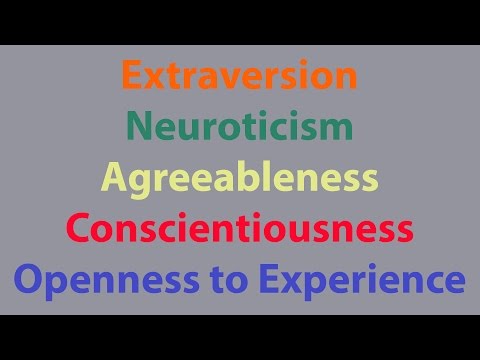
First off, let’s talk about Jordan’s personality type. He identifies with the **Big Five** personality model. He’s known for being high in **conscientiousness**, which means he’s organized and responsible. But he also shows traits of **neuroticism**, which often leads to anxiety and emotional instability. This combination can create a fertile ground for stress. You see, conscientious people tend to put pressure on themselves to achieve goals, which can be overwhelming.
Now, in 2016, Peterson started sharing his thoughts on social media and quickly gained a massive following. But it wasn’t all sunshine and rainbows. As he became more prominent, he also faced intense backlash over his views on various topics. The stress of public scrutiny began taking its toll. Anxiety can be like that pesky friend who just won’t leave you alone—always lurking around when you don’t need it.
He openly discussed his struggles with anxiety and depression over the past few years. After experiencing severe health problems related to medication withdrawal—a journey that’s painful both physically and mentally—he ended up seeking treatment in various places, including rehab programs in Canada and even Europe. This wasn’t just about getting off medication; it was about dealing with the emotional chaos that comes along with such changes.
Peterson’s approach to mental health is also interesting because it’s steeped in a mix of **psychological theories**—from clinical psychology techniques like cognitive behavioral therapy (CBT) to more philosophical ideas about meaning in life from literature and mythology. He really believes in the power of finding purpose amidst suffering.
Here are some key points that relate to Jordan Peterson’s mental health experience:
- Personality Traits: High conscientiousness mixed with neuroticism can lead to increased anxiety.
- Anxiety & Public Life: The stress from public attention brought significant challenges.
- Treatment Journey: His experience included rehab and dealing with the complexities of medication withdrawals.
- Finding Meaning: He emphasizes understanding one’s own suffering as a path toward healing.
It’s clear that understanding his mental health journey gives us insight into how external pressures interact with internal struggles. It serves as a reminder for many out there that it’s okay to seek help when things feel overwhelming—not just because you’re struggling but also as part of personal growth.
At the end of the day, we all have our battles—even those who appear strong or successful like Jordan Peterson! And recognizing this complexity can make us more compassionate towards ourselves and others navigating their own mental health journeys.
So, there’s this whole buzz around Jordan Peterson and his personality type, right? It’s kinda interesting to think about how someone’s personality can really shape not only their own life but also the impact they have on others. Like him or not, he’s left quite a mark in the realm of psychology and cultural discussions.
Peterson is often associated with the INTJ personality type in the Myers-Briggs Type Indicator. This means he’s seen as someone who’s pretty strategic and future-oriented, always analyzing things deeply. You know, the kind of person who can dissect a complex problem like it’s a cake at a birthday party and just gets to the core of it all. But it doesn’t stop there—this kind of thinking influences how he connects with his audience.
I remember chatting with a friend who loves listening to his lectures. She said something that stuck with me: “He just makes you feel like you can tackle your demons.” That’s this weird blend of charisma and authority he has. It feels like those INTJs thrive on challenging ideas but also bringing some order to chaos, which honestly resonates with a lot of people looking for clarity in their lives.
But here’s where it gets a bit tricky—this intense personality type isn’t everyone’s cup of tea. While many appreciate his straightforwardness and depth, others find him too rigid or polarizing in his views. I mean, there are folks sitting on either side of that fence! Some embrace his call for personal responsibility while others feel overwhelmed by his sometimes harsh critique of modern society.
There was this one time when I tried explaining him to another friend who didn’t know much about psychology or philosophy. I said, “It’s like he wants you to take charge of your life but sometimes comes off as if you’re weak if you don’t.” And honestly, that duality is what makes discussing him both fascinating and frustrating.
Ultimately, Peterson’s personality type shapes how he interacts with various audiences and how they react to him too. It’s this delicate dance between inspiration and contention that makes conversations about him so rich—and sometimes heated! Whether you’re drawn in by what he says or push back against it, you can’t deny it’s sparked greater discussions about mental health and personal growth lately. That’s something worth considering, right?