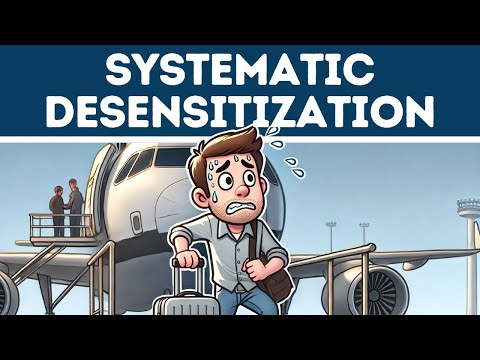
So, let’s talk about Joseph Wolpe. Ever heard of him?
He’s kind of a big deal in the world of psychology. Seriously, this dude changed the way we think about fears and phobias.
You know how sometimes fear can totally paralyze you? Like, you see a spider, and suddenly you’re climbing up on the couch like it’s a mountaintop? Yeah, he had a solution for that.
Wolpe created this thing called systematic desensitization. It sounds super fancy but stick with me. It’s all about helping folks chill out when faced with their biggest fears.
Imagine being able to stroll past that spider without breaking into a panic attack. Pretty cool, right? That’s what Wolpe aimed for—giving people their lives back. Let’s dive into how he did it!
Understanding Systematic Desensitization: Joseph Wolpe’s Approach to Overcoming Anxiety
So, systematic desensitization, huh? It’s a real thing in the world of psychology that can help folks deal with anxiety and phobias. This method was brought to life by a psychologist named Joseph Wolpe, and it’s basically all about learning to approach what scares you in a controlled way. Let’s break down how this works.
First off, the core idea is to help you confront your fears without overwhelming you. Think of it like slowly introducing yourself to ice water instead of jumping into the deep end right away. You start small and build up your tolerance.
Step one is creating a fear hierarchy. That sounds fancy, but really it’s just a list of things that freak you out, ordered from least scary to most scary. For instance, if you’re afraid of dogs, maybe seeing pictures of dogs is at the bottom, while petting a big dog is at the top.
Next comes relaxation techniques. Before diving into your fear hierarchy, you learn ways to calm down—things like deep breathing or visualization. You want your body ready for action without those pesky anxiety spikes.
Then we hit the magic part: actually exposing yourself to those fears! Here’s where systematic desensitization shines. You start with something low on your list—like looking at that picture of a dog—and practice using your relaxation skills while you do it. This is key because you’re training yourself to stay calm in situations that would usually throw you off.
Once you’ve mastered each level? You gradually move up the hierarchy until you’re facing whatever used to terrify you! It’s about building confidence and proving that those fears don’t have as much power over you as they once did.
But hold on—this isn’t just some willy-nilly process. It often helps to work with a therapist who knows the ropes. They’ll guide you through each step, making sure you’re comfortable while pushing just enough to facilitate growth.
The beauty of systematic desensitization lies in its structured approach—it gives people a clear path toward conquering their anxieties rather than feeling lost in them. So if overcoming fears has ever felt like an uphill battle for you or someone close? This method might be something worth considering.
Understanding Joseph Wolpe’s Theory: A Key to Anxiety Treatment and Behavioral Therapy
Joseph Wolpe is one of those names that pop up a lot when you’re talking about anxiety treatment and behavioral therapy. He really made a mark with his **systematic desensitization** theory. Basically, this approach is all about helping folks face their fears in a gradual way, which can make all the difference when dealing with anxiety.
So, let’s break down what systematic desensitization actually means. Well, the idea is to reduce fear or anxiety by slowly exposing someone to the things they’re scared of while teaching them relaxation techniques. You know how sometimes just thinking of doing something makes your heart race? Wolpe’s method helps to calm that racing heart by tackling those fears one small step at a time.
- Relaxation Training: First off, you usually start with some kind of relaxation technique. This could be deep breathing, progressive muscle relaxation, or visualization. The point is to help the person get into a chill state before facing any scary stuff.
- Fear Hierarchy: Next comes the creation of what’s called a «fear hierarchy». Think of it like a list of situations or things that trigger anxiety, ranked from least scary to most terrifying. For instance, if someone has a fear of spiders, they might start with pictures of spiders before moving on to being in the same room as one.
- Gradual Exposure: Once that’s set up, it’s time for gradual exposure. The person will face each item on their fear hierarchy while practicing those relaxation techniques they learned earlier. Like taking baby steps toward overcoming fear.
Wolpe found that this combo helped people replace their anxious feelings with more calm and control over time. So instead of feeling overwhelmed and panicked at the thought of seeing a spider, they’d learn how to stay relaxed and eventually challenge that fear.
There’s something comforting about knowing that our brains can adapt as we face these fears head-on rather than avoiding them altogether. For example, think about someone who couldn’t even watch spider videos without feeling anxious. Through systematic desensitization, they could work their way up to actually holding a spider! Pretty empowering stuff when you consider how limiting anxiety can be.
But it’s not just about facing fears directly; Wolpe emphasized **the importance of reinforcement** too! Positive feedback and encouragement boost confidence significantly during this process.
One thing I find really fascinating is how widespread Wolpe’s ideas have become in therapy today. They’re not just useful for phobias but also for other types of anxiety disorders like PTSD or social anxiety—the applications are endless!
If you’re curious about effective treatments for managing anxiety symptoms or processing trauma in daily life scenarios—seriously—it might be worth looking into therapists who use these principles in their work.
In summary, Joseph Wolpe’s contributions remind us that tackling our fears doesn’t have to be an all-or-nothing journey. It’s possible to take small steps towards feeling better and regaining control over our emotions—and through his theory of systematic desensitization, many people have found hope and healing along the way!
Exploring the Origins of Systematic Desensitization: Joseph Wolpe’s Groundbreaking Contribution to Psychology
Joseph Wolpe was a psychologist whose work changed how we think about treating anxiety and phobias. He created a method called systematic desensitization, which is still super relevant today. This technique helps people gradually face their fears in a safe way. Let’s break down how it all started and why it’s important.
Wolpe’s journey started in the 1950s when he noticed traditional therapies often didn’t help with deep-rooted fears. The thing is, many patients struggled with anxiety that wouldn’t budge, even with talk therapy or medication. So, he thought, what if we could change that?
He drew from classical conditioning principles, which you might remember from Pavlov’s famous dogs—basically associating a stimulus with a response. Wolpe flipped this idea on its head: instead of creating fear responses, let’s create relaxation responses paired with fear-provoking situations.
At the heart of systematic desensitization is the idea of gradual exposure. Here’s how it works:
- First, you learn some relaxation techniques, like deep breathing or visualization.
- Next, make a list of what scares you—maybe it’s public speaking or spiders.
- Then, rank those fears from the least intimidating to the most terrifying.
- You start by imagining the least scary thing while practicing those relaxation techniques.
- As you get comfortable with that, you slowly move up your list to more challenging situations.
This process helps replace fear with calmness over time. It’s like teaching your brain to say “Hey, this isn’t so bad!” rather than freaking out every time.
One emotional story that comes to mind is about a woman named Sarah who had an intense fear of flying. She avoided planes for years because just thinking about getting on one made her heart race and palms sweaty—totally paralyzing stuff. But after going through systematic desensitization therapy, she started small by watching videos about planes while practicing her relaxation techniques. Slowly but surely, she worked her way up to sitting in a grounded airplane and eventually took her first flight!
Wolpe’s groundbreaking work not only gave individuals like Sarah hope but also paved the way for future treatments in psychology. Understanding how our emotions can be rewired through gradual exposure has opened doors for various therapies addressing all sorts of anxieties and phobias.
His legacy reminds us that change is possible—even when things feel overwhelming or scary at first. So if you’re dealing with anxiety or know someone who is facing similar challenges, remember there are strategies out there designed to help navigate those feelings toward healthier outcomes!
So, let’s talk about Joseph Wolpe and this thing called systematic desensitization. Now, you might be thinking, “What does that even mean?” Well, it’s a way of helping people overcome fears and phobias, and it’s pretty cool when you break it down.
Wolpe was a psychologist who really made waves in the mental health world. He had this idea that exposure to something scary—like spiders or heights—could actually help you get over your fear. It sounds a bit counterintuitive, right? But hear me out. The method involves gradually exposing someone to their fear while teaching them some relaxation techniques to keep them calm. It’s like training your brain to chill out when faced with what scares you.
I remember my friend Sarah had a serious fear of flying. She’d get all jittery just thinking about getting on a plane. So, she decided to tackle it head-on with some professional help. Through systematic desensitization, she began with just looking at pictures of planes, then moving on to watching videos of flights, before finally stepping into an airport. It took time and effort, but she eventually boarded a plane without losing her mind! It was honestly inspiring.
The key here is the gradual approach. You don’t just throw someone into the deep end—you ease them in, ensuring they stay relaxed along the way. Wolpe’s work shows how powerful our minds are; they can be retrained to react differently than they have before.
It’s not just about facing fears either; it’s about building confidence and resilience too. For people battling anxiety or panic attacks, knowing that there’s a structured way to handle those triggers can feel like having a secret weapon in their back pocket.
Overall, Wolpe’s systematic desensitization is like a roadmap for facing fears head-on while keeping your cool—giving people the chance to reclaim parts of their lives that anxiety used to control. Honestly? That kind of transformation is nothing short of amazing!