You know how sometimes you meet someone and just click? Like, everything flows, and it feels easy?
Well, Carl Jung, this really cool psychologist, thought that our personalities play a huge role in those connections. He came up with a way to understand this better through something called the Jung Typology Test.
This test dives into your personality type and offers insights about how you think, feel, and interact with the world.
It’s not just some fun quiz you find online. It can actually help shed light on your mental health too. Seriously!
So, if you’re curious about why you tick the way you do—or even why other people might drive you nuts—let’s chat about this tool.
Exploring the 4 Stages of Jung’s Therapy: A Guide to Understanding Your Inner Self
Jung’s therapy is like a journey into your own mind. It’s not just about fixing problems; it’s about really getting to know who you are deep down. So, let’s break down the four stages of Jung’s therapy and how they connect to understanding your inner self—especially through tools like the Jung Typology Test.
1. The Initial Stage: Building Trust
At the start, you need to feel safe and comfortable. This is key. It’s all about forming a relationship with your therapist where you can share without fear. You might be anxious or unsure, but that’s totally normal. Imagine sitting across from someone who genuinely wants to help you peel back the layers of your life.
2. The Exploration Stage: Diving Deep
Next, it’s time to explore your thoughts and feelings. Here, you might use techniques like dream analysis or active imagination, where you can really tap into your unconscious mind. The Jung Typology Test comes into play here too—it categorizes ways people process emotions and thoughts. When you understand your type, things start clicking! Like when I found out I was an INFP—I realized why I felt so different from my friends.
3. The Understanding Stage: Gaining Insights
Once you’ve explored some of those thoughts and feelings, you’ll gain insights into yourself that are often surprising! You may uncover parts of your psyche that were hidden away or neglected for years—like an old box in the attic filled with memories. This stage can be emotional! Perhaps you’ve spent a lot of time feeling unworthy or anxious; knowing where those feelings come from is powerful.
4. The Integration Stage: Bringing It All Together
Finally, it’s all about integration—taking everything you’ve learned and applying it to your life moving forward. You work on embracing both the light and dark parts of yourself because we all have both—we’re complex beings, after all! This isn’t a one-time deal; it evolves as you grow and change.
So there you have it! Jung’s approach isn’t just theoretical; it gives practical tools for self-discovery and growth that anyone can use—even outside therapy sessions! By understanding these stages, you’re on a path toward not just healing but thriving in life—kind of cool when you think about it!
Unlocking Self-Discovery: The Benefits of Taking a Jung Test for Personal Growth
Self-discovery is a journey we all face, whether we realize it or not. It’s about figuring out who you are and why you feel the way you do. One way to help with this process is through something called the Jung Typology Test, which takes inspiration from Carl Jung’s theories on personality. This test aims to give you insights into your own personality traits, strengths, and areas for growth.
When you take the Jung Test, what really happens? Basically, it assesses how you perceive the world and make decisions. The results categorize you into one of 16 different personality types. Each type comes with its own set of characteristics—some may find they are more introverted while others lean toward being extroverted. You see, recognizing these traits can be like shining a light in a dark room.
So, why should you care about your results? Well, for starters, knowing your type can enhance self-awareness. For example, if you’re an introvert who hates small talk at parties but loves deep conversations with friends, recognizing this can help reduce some of that social pressure you feel. You won’t force yourself into uncomfortable situations—instead, you’ll realize it’s okay to seek deeper connections rather than superficial ones.
Moreover, it helps improve your relationships. Let’s say you’ve been struggling with a friend who seems so different from you. Understanding that your personalities might clash because of inherent traits can reduce conflict. Instead of getting frustrated by their approach to life or communication style, consider how their personality complements yours!
On top of that, taking this test boosts career satisfaction. When you’re aware of which environments suit your personality best—like teamwork vs working solo—you can align your job choices accordingly. If you’re a creative type and stuck in a rigid corporate structure? No wonder you’re feeling drained!
It’s also important for personal growth; understanding yourself better opens doors for developing new skills or refining existing ones. For instance, if the test suggests areas where you might struggle—like decision-making under stress—you can consciously work on that by practicing mindfulness techniques or seeking feedback.
Finally, remember that while these personality tests shed light on aspects of yourself—they’re just one piece of the puzzle! They don’t dictate who you are but rather serve as a guide to help navigate through life’s complexities.
So if you’re curious about yourself—or even just bored one afternoon—the Jung Typology Test could offer some interesting insights! It’s not a magic solution but more like a roadmap to exploring what makes *you* tick in this crazy world.
Exploring Jung’s Personality Theory: Understanding the Test and Its Insights
The Jung Typology Test comes from Carl Jung’s Personality Theory. Jung was a Swiss psychiatrist whose work has influenced psychology a whole lot. So, the thing is, his theory focuses on our unconscious mind and how it drives our behavior. It’s all about understanding ourselves better, you know?
What’s the Jung Typology Test?
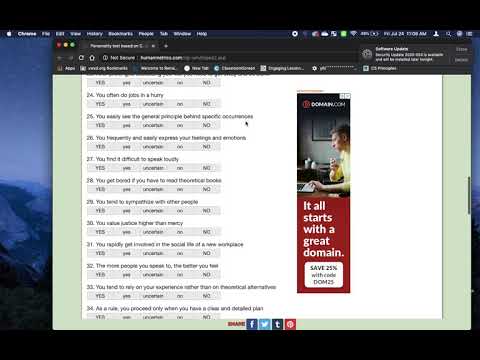
It’s basically an introspective tool that helps you discover your personality type. It’s not just some random quiz you see online; it actually stems from serious psychological concepts. The test divides personalities into four main dichotomies:
- Introversion vs. Extraversion: This one looks at where you draw your energy from. Are you more recharged by solitude or social interactions?
- Sensing vs. Intuition: This reflects how you take in information. Do you prefer concrete facts or abstract ideas?
- Thinking vs. Feeling: Here, we see how you make decisions. Is it logic or emotions that guide you more?
- Judging vs. Perceiving: This shows your approach to dealing with the outer world—do you like things planned out or prefer spontaneity?
When combined, these pairs result in 16 distinct personality types!
Now, why does this matter for mental health? Well, knowing your type can really improve self-awareness and help improve relationships with others. You might discover why certain situations stress you out while others feel totally natural.
Think about it: if you’re an introvert and find yourself drained after social gatherings, knowing that could prompt changes in how often you’re choosing such events! It’s empowering to know that it’s not just about being shy or extroverted; it’s about energy sources.
The Insights You Get
The insights gained from this test can be pretty profound:
- Your strengths and weaknesses become clearer.
- You can better understand communication styles—both yours and others’.
- Your coping mechanisms in stress might reveal themselves.
Let’s say you’re a «Feeling» type who often puts others’ needs before your own—you might realize it’s okay to prioritize yourself sometimes too!
Anecdote Time!
I remember a friend of mine who took the test during a tough time at work; she was feeling overwhelmed and disconnected from her teammates. After discovering she was an introvert with strong intuitive traits, she realized her colleagues were operating very differently—lots of extraverts focused on quick decisions while she thrived in deep discussions! Understanding her personality helped her advocate for more structured meetings where ideas could be explored without rush.
In summary, The Jung Typology Test is not just fun fluff; it’s got real roots in understanding human psychology! It arms you with knowledge that can foster personal growth and enhance mental well-being by shining light on what makes *you* tick—and trust me, that’s valuable stuff in today’s world!
So, the Jung Typology Test, right? You’ve probably seen it floating around online or maybe taken one of those quizzes that say you’re an INFJ or an ESTP. It’s based on Carl Jung’s theories about personality types, which is kinda cool because it digs into how we think and feel. But here’s the thing: while it’s super fun to figure out if you’re more introverted or extroverted, it can also give some interesting insights into your mental health.
You know how sometimes you just don’t vibe with certain situations or people? Well, understanding your personality type can shed light on why that happens. For instance, if you find crowds draining and you’re an introvert, knowing this about yourself helps you make choices that align better with your energy levels. Like, maybe skip that party and have a cozy night in instead—like I did last week when I realized my social battery was totally empty!
But the test isn’t flawless. Some people really resonate with their type, while others might feel boxed in. It’s important to remember that human beings are way more complex than just four letters on a screen! You might find comfort in knowing there are patterns to your behavior—those “aha!” moments when something clicks and makes sense. But don’t let it define you completely or limit your growth.
Now, about mental health: recognizing your type could help identify potential stressors too. For example, if you’re a Judging type who likes structure but suddenly find yourself in chaos at work—ugh! That’s bound to raise some anxiety. Understanding this can motivate you to set boundaries or seek environments where you thrive.
And here’s a little story: A friend of mine took the test last year after struggling with her anxiety and was all “Ugh! I’m just not like everyone else!” Turns out she was an INFP – all about values and authenticity but often felt misunderstood in loud spaces. Once she embraced her type, she started being kinder to herself and sought friendships that matched her vibe.
So yeah, the Jung Typology Test can be a neat tool for self-discovery but remember—it’s just one piece of the puzzle when it comes to understanding yourself and nurturing your mental health. There’s so much more to us than letters on a page!