Hey! You ever feel like your mind’s just racing a mile a minute? Like, there’s this endless loop of thoughts that just won’t quit? I totally get it.
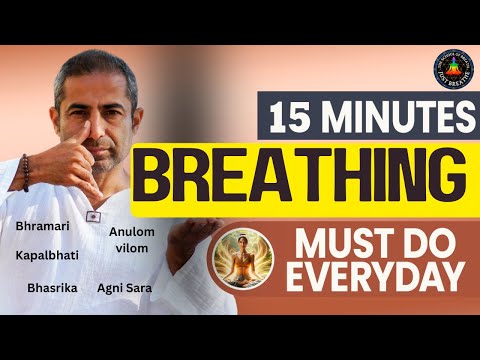
Well, there’s this cool breathing technique called Kapalabhati Pranayama. Sounds fancy, right? But it’s really all about clearing out the mental clutter and finding some calm in the chaos.
Picture this: taking deep breaths that connect you to your body while kicking out all the noisy distractions. Sounds pretty great, huh? You can find your focus and chill out at the same time.
So, if you’re curious about how breathing can help you feel clearer and more grounded, keep reading! I promise it’ll be worth your while.
Unlock Mental Clarity: The Best Pranayama Techniques for Enhanced Focus and Clarity
Pranayama is all about breathing, but it’s not just any kind of breathing. You know how sometimes you feel like your mind is buzzing with a thousand thoughts? Well, pranayama techniques, especially **Kapalabhati**, can help clear that mental clutter. Basically, it’s like hitting the reset button on your brain.
Kapalabhati is known as the “Skull Shining Breath.” Sounds cool, right? It involves short, forceful exhales and passive inhales. This technique pumps oxygen to your brain and can really help with **focus** and **clarity**. Here’s how you can get started:
1. Find a Comfortable Position
You want to sit up straight but relaxed. Cross-legged on the floor or in a chair works nicely. Just make sure your back feels good.
2. Start with Normal Breathing
Take a few slow breaths in and out. Focus on how it feels to breathe—nice and easy.
3. The Kapalabhati Technique
Now, here’s where it gets interesting. Inhale deeply through your nose first, filling up your lungs. Then, exhale quickly and forcefully through your nose while pulling your belly in toward your spine. It might feel like you’re blowing out birthday candles very quickly! After that, let the breath come back in naturally without thinking about it too much.
4. Repeat for a Few Rounds
You can start with about 10-15 rounds of this breathing pattern. As you get comfortable, you might want to increase the rounds gradually.
Doing this consistently can help sharpen your focus over time because it increases blood flow to your brain and oxygenates those tired cells up there.
When I first tried Kapalabhati during a yoga class, I felt kind of silly at first—like I was hyperventilating or something! But after just a few rounds, my head felt clearer than it had all week. Maybe you’ve felt this sense of calm after exercising? That’s similar to what happens here; it’s an instant pick-me-up for your mind!
5. Benefits Beyond Clarity
Aside from boosting focus, this practice may also help reduce anxiety and improve mood by increasing serotonin levels in the body. So even if you’re feeling kind of down or fuzzy-headed one day, working through some Kapalabhati might lift that fog temporarily.
Incorporate Kapalabhati into your day whenever you need a mental boost—maybe right before tackling that big project at work or even when you’re feeling overwhelmed by everyday life stuff.
Exploring Kapalbhati: Benefits for Mental Health and Well-Being
Kapalbhati is one of those breathing techniques that can really shake up your mental state, you know? It’s a part of the yoga practice and it’s often called “skull shining breath.” Sounds cool, right? But it’s not just for the fancy name—there are some real benefits for your mental health and overall well-being.
First up, let’s talk about clarity. When you do Kapalbhati, you’re actually cleansing your brain a bit. The rapid exhalation helps in clearing out the clutter in your mind. Imagine your thoughts like dust on a window; this technique wipes that dust away so you can see better. So when you’re feeling foggy or overwhelmed, just a few rounds of this breathing can really help you focus better.
Next, there’s stress relief. Life gets heavy sometimes, right? Kapalbhati can be an amazing stress-buster. Those powerful exhales stimulate the diaphragm and abdominal muscles, which can release tension in your body. Think of it like giving your lungs a good workout while also calming down that racing heart. It’s kind of like hitting the refresh button on your mood!
Another cool aspect is its potential to boost energy levels. Feeling sluggish in the afternoon? Instead of reaching for another cup of coffee, try this breathing technique! When you practice Kapalbhati, you’re increasing oxygen flow throughout your body. This makes you feel more alive and alert—like opening a window on a stuffy day!
Don’t forget about emotional balance either. You know how we all have those ups and downs? Regular practice might help regulate emotions better over time. It encourages mindfulness and connection to yourself, which makes it easier to handle what life throws at you.
But hey, before jumping into it all excitedly, it’s good to understand how to do Kapalbhati safely. You don’t wanna overdo it! Always start slow—like maybe five cycles—and build up as you get used to it. And if at any point you feel dizzy or uncomfortable, just stop and catch your breath.
So in summary:
- Mental clarity: Helps clear out mental fog.
- Stress relief: Reduces tension and promotes calm.
- Energy boost: Increases oxygen flow for alertness.
- Emotional balance: Aids in managing feelings.
Incorporating this technique into daily life could make a notable difference over time. Just remember: consistency is key here! Make it part of your routine and give yourself some space to breathe deeply—even if it’s just for a few minutes each day. Who knew something so simple could pack such a punch?
Exploring the Benefits of Pranayama: Can Breathing Techniques Lower Blood Pressure?
Pranayama is this awesome practice from yoga that focuses on controlling your breath. Seriously, it can really do wonders for your body and mind. One of the main types is **Kapalabhati**, which people often turn to when they’re looking for some mental clarity and calmness. But can these breathing techniques actually help with blood pressure? Let’s break this down.
When you breathe, in and out, it’s not just about getting oxygen into your lungs—there’s a whole lot more going on. Deep, controlled breathing, like the kind used in pranayama, can actually help soften those tension-filled moments we all experience. Think about it: when you’re stressed out or anxious, your body tenses up and blood pressure might spike. But with proper breathing techniques like Kapalabhati, you can create a sense of ease.
Here’s what happens:
- Regulation of the Nervous System: Pranayama influences the autonomic nervous system. It switches off the fight-or-flight response (sympathetic) and kicks in the chill mode (parasympathetic). This shift keeps your heart rate steady.
- Relieves Stress: Stress is a major culprit behind high blood pressure. Practicing Kapalabhati helps release pent-up energy and clears mental fog. It’s like giving your brain a mini-vacation!
- Increases Oxygen Flow: By doing these breathing exercises regularly, you’re improving oxygen delivery to your cells. That boost helps everything function better.
- Mindfulness Element: Engaging in pranayama promotes mindfulness—being present in the moment without judgment. This awareness is super powerful for lowering anxiety levels.
Now let’s get personal for a sec! A friend of mine was always on edge because of work stress—a classic case. He found himself dealing with rising blood pressure numbers every time he visited his doctor. One day he stumbled across Kapalabhati online and gave it a shot during his breaks at work. Little by little, his ability to manage stress improved, his numbers started trending downwards, and he mentioned feeling more focused.
So yeah, while pranayama isn’t magic or a substitute for medical treatment if you have hypertension—it definitely offers some benefits worth considering! Just remember to keep it gentle at first; you don’t want to overdo it.
So, you know when your mind’s racing, and it feels like a thousand thoughts are just bouncing around in your head? Honestly, I’ve been there, too. It’s overwhelming. But then I stumbled upon something called Kapalabhati Pranayama breathing. Sounds fancy, right? But really, it’s just a breathing technique that brings some serious calm and clarity.
Picture this: You’re sitting cross-legged on the floor or in a comfy chair. The world outside is buzzing with noise – maybe your phone’s dinging or the neighbor’s dog is barking. But as you start practicing this type of breathwork, everything else seems to fade away. Kapalabhati involves short, forceful exhales followed by passive inhales. At first, it might feel weird and frantic—like you’re trying to blow out candles on a birthday cake without taking a breath between each puff. But after a few rounds? Everything changes.
You start to notice that fog in your brain lifting just a bit. It’s like someone turned up the lights in a dim room—suddenly things are clearer. And that’s not just me talking; studies have shown that this process can help reduce stress and increase focus. Seriously!
When I first tried it, I remember feeling kinda skeptical — did I really think breathing was going to change anything? But after my session, I felt this wave of tranquility wash over me. It was cool because even though life was still chaotic outside my window, inside my mind? Different story!
The thing is, giving yourself permission to pause and breathe deeply can be life-changing. You might find that little moments of chaos become less daunting when you have tools like Kapalabhati in your back pocket.
So if you find yourself stuck in that mental whirlwind again—just breathe! Maybe give this pranayama technique a shot and see how it feels for you. You never know what kind of clarity might be waiting on the other side of those breaths!