You know, we all have our own quirks and ways of seeing the world. It’s like a personal lens that shapes how we connect with others.
That’s where something called the Keirsey Temperament comes in. It’s a cool framework that helps you understand your personality type and, believe it or not, it can give you some pretty neat insights into mental health, too.
Imagine being able to figure out why you react a certain way or why some interactions just feel off. That’s the magic of understanding your temperament!
Let’s chat about how knowing whether you’re a Guardian, Artisan, Idealist, or Rational can help you navigate life’s ups and downs with a little more ease.
Exploring the Purpose of the Keirsey Temperament Sorter: Insights into Personality and Behavior
The Keirsey Temperament Sorter is a tool for getting a glimpse into your personality and behavior. It’s kind of like that friend who sees the world differently and helps you understand yourself better. It groups people into four main temperaments: Guardian, Artisan, Rational, and Idealist. Each of these has its own unique way of looking at life.
First up, Guardians. They’re all about tradition and responsibility. Picture someone who loves rules and structure—like that classmate who always has their homework done on time. You know someone like this! They value stability, and they often make great leaders in their communities or workplaces.
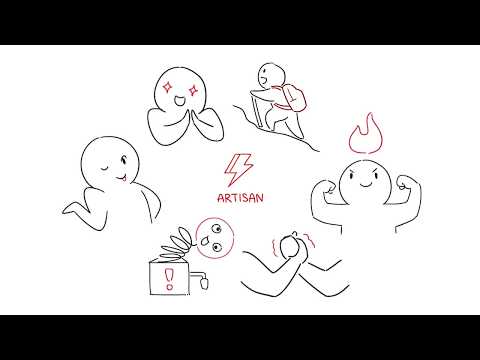
Next are Artisans. These folks thrive on action and creativity. They’re the ones who can turn an ordinary moment into something exciting. Think about your friend who’s always down for an adventure or trying new things—like planning impromptu road trips or hopping onto the latest trend.
Rationals look at things with a logical lens. They want to understand how everything works, almost like the scientists in our lives. If you’ve ever had a buddy who takes apart gadgets just to see how they tick, that’s a Rational for you! They tend to be strategic thinkers and often excel in problem-solving.
Finally, there are Idealists. These are the dreamers and visionaries who focus on personal growth and helping others. You might have met someone who’s always advocating for social changes or pursuing art because it speaks to their soul—yeah, that’s an Idealist in action!
The Keirsey Temperament Sorter can give insights into how we relate to each other emotionally. Understanding your temperament isn’t just fun; it plays a role in mental health, too. For instance, knowing you’re more of a Guardian can help if you’re feeling overwhelmed with chaos around you; it might remind you to seek stability.
In therapy settings, therapists may use insights from this sorter to tailor approaches based on your temperament. A Guardian might benefit from structured sessions that focus on practical solutions while an Artisan could thrive in a more exploratory conversational style.
Using this tool isn’t about putting people into boxes; it’s more like giving everyone a place where they can feel understood and accepted for who they are—which is pretty powerful if you ask me!
So yeah, the Keirsey Temperament Sorter not only helps with self-awareness but also enhances interpersonal relationships by making communication smoother between different temperaments. When we understand ourselves better—and each other—we open doors to healthier interactions and mental well-being overall!
Understanding Keirsey’s Definition of Temperament: A Deep Dive into Personality Types
Temperament is such an interesting concept, right? When you think about how it influences our personalities, it’s like opening a window into understanding ourselves and others better. Keirsey’s take on temperament is pretty fascinating. He breaks people down into four main types, which can really help us grasp how we tick in social settings and even in therapy.
Keirsey’s Four Temperaments are based on how we interact with the world and each other. Here’s a quick rundown:
- Artisans: These folks are all about spontaneity and living in the moment. They thrive on action, creativity, and often have a passion for hands-on activities. You know those people who seem to just flow with whatever life throws at them? That’s your Artisan.
- Guardians: Guardians are grounded and reliable. They love structure and tradition. Think of them as the dependable friends who keep everything together during chaos—like organizing that potluck dinner to make sure everyone brings something!
- Idealists: Idealists focus on personal growth and relationships. They’re often empathetic, always reaching out to help others feel understood. You might know someone who’s always the first to offer a listening ear; that’s probably an Idealist.
- Rationals: Rationals prefer logic over emotions and enjoy problem-solving. They analyze situations deeply before making decisions. Picture someone in your life who loves puzzles or can break down complex topics without breaking a sweat—that’s a Rational.
Now, how does all this connect to mental health? Well, understanding your temperament can give you some serious insight into why you might react a certain way in stressful situations or what kind of support you need when things get tough.
Let me share something personal here. I once had a best friend who was an Idealist—so warm-hearted and sensitive! Whenever I was feeling down, she’d just know what to say without being told anything explicit. It really opened my eyes to how different temperaments interact with each other; her empathy complemented my more logical approach brilliantly.
Mental health professionals often use Keirsey’s framework as part of their assessments because knowing someone’s temperament offers clues about their coping mechanisms or even how they may perceive therapy itself. For instance:
- An Artisan might engage fully in expressive therapies like art or music because they resonate with their love for creativity.
- A Guardian might appreciate structured therapy sessions that follow a clear plan.
- An Idealist may find value in talk therapy as it aligns with their emphasis on emotional connection.
- A Rational could prefer cognitive behavioral therapy (CBT) where they can analyze thoughts logically.
So basically, Keirsey’s definition of temperament isn’t just academic mumbo-jumbo; it’s practical insight that helps us navigate relationships better—especially when managing our mental health!
In short, digging into these personality types not only provides clarity but also reminds us there’s no one-size-fits-all for emotional experiences or healing paths. Whether you’re learning more about yourself or someone close to you, getting familiar with these temperaments can really make a difference!
Understanding Your Temperament: Key Benefits for Mental Health and Personal Growth
Understanding your temperament can be a real game changer for your mental health and personal growth. So, what’s the deal with temperament, especially the Keirsey Temperament model? It’s all about personality types and how they shape our experiences, reactions, and interactions. Knowing your temperament can lead to some valuable insights that help you navigate life more smoothly.
Basically, the Keirsey model categorizes people into four temperaments: Artisan, Guardian, Idealist, and Rational. Each group has its own quirks, strengths, and weaknesses. Let’s break it down a bit.
Artisans are like the spontaneous party animals of the group. They’re creative and love action. If you’re an Artisan, you might find joy in taking risks and living in the moment. But watch out! This can lead to impulsive decisions that could mess with your mental health if you’re not careful.
Guardians, on the other hand, are all about stability and order. They thrive on structure and routine. If you’re a Guardian, you probably value hard work and responsibility. But this dedication can sometimes tip into perfectionism or anxiety when things don’t go as planned. You get me?
Then we have the Idealists. These folks are dreamers who focus on personal growth and meaningful relationships. If this sounds like you, your sensitivity could be both a gift and a curse—great for empathy but sometimes overwhelming when dealing with conflict or disappointment.
Finally, there are the Rationals. They’re logical thinkers who love problem-solving. If you relate to being a Rational, congrats! You probably excel at strategy but might struggle with emotions or social dynamics at times.
So why does all this matter for your mental health? Understanding your temperament gives you clues about how to manage stress better. For instance:
- If you know you’re prone to impulsivity (like an Artisan), realizing this can help you step back before making rash choices.
- If order keeps you rooted (as it does for Guardians), finding ways to balance it with spontaneity can boost happiness.
- If relationships matter most (for Idealists), recognizing when you’re feeling overwhelmed can help in navigating emotional landscapes.
- If rational thinking is your strong suit (as Rationals tend to be), learning to tap into emotional intelligence might improve social interactions.
And here’s where it gets personal: I remember talking to a friend who identified as an Idealist. She often felt drained after social gatherings because she absorbed everyone’s emotions like a sponge! By understanding her temperament better, she started setting boundaries around her energy levels—what a relief for her mental space!
In terms of personal growth, knowing where you stand helps you leverage your strengths while working on those pesky weaknesses. Maybe you’ve noticed that confrontation makes you anxious but you’ve got great listening skills—use that! You could become an amazing mediator between friends.
The key takeaway is that temperaments aren’t just labels; they’re tools that offer insight into yourself. When understood well, they guide actions toward healthier choices in life—whether that’s seeking support during tough times or diving deeper into personal passions that bring joy.
So next time you’re navigating challenges or decisions in life or even just reflecting on yourself—take a second to check in with that temperament of yours! Understanding it could really open some doors for healing and growth in ways you’d never imagine before!
You know, it’s interesting how we all have our unique ways of seeing the world. Keirsey Temperament, which classifies people into four main types—Artisans, Guardians, Idealists, and Rationals—really shines a light on that. When we get into these temperaments, it’s like opening a window to understanding ourselves and others better.
For example, I remember chatting with a friend who identified as an Artisan. They were always spontaneous, living for the moment. That energy was contagious! But when they got stressed or anxious—like during exam season—they became overwhelmed by all that spontaneity. It was a tough contrast to see: their vibrant personality dimmed under pressure. Recognizing this temperament helped me be more patient with them during those anxious times.
Understanding these temperaments can really help in mental health too. Each type tends to cope with stress differently. Artisans might dive into creative outlets or physical activities to manage anxiety, while Guardians may lean on structure and routine. Knowing this not only offers insight into our own behavior but also helps us support friends or loved ones who might be struggling.
It’s pretty cool how Keirsey’s concepts help you tailor your approach when talking about feelings or coping strategies with different people you care about. Like if you know someone is an Idealist, you could introduce emotional discussions gently or use empathetic language because they really value connection and meaning in conversations.
And let’s be real: understanding our own temperament can feel like a mini therapy session sometimes! You might realize why certain situations trigger you more than others or why collaborations at work sometimes get tense based on the mix of personalities involved.
So yeah, the Keirsey Temperament theory isn’t just some old psychology stuff—it’s deeply rooted in day-to-day life and mental health insights. By applying this knowledge, you can build deeper relationships and foster healthier environments both personally and professionally. You may even surprise yourself with how much more empathetic and understanding you become towards others—and yourself!