So, let’s chat about something kinda interesting—temperament. You ever wondered why some people just vibe with you, while others, well, not so much?
That’s where the Keirsey Temperament Sorter comes in. It’s like a little personality quiz that can help you figure out who you are and how you connect with others. Pretty cool, right?
But it’s not just about fun insights; this thing can play a major role in mental health too. Knowing your temperament can help you understand your feelings and reactions way better.
And honestly, we could all use a bit of that clarity sometimes!
Understanding the Purpose of the Keirsey Temperament Sorter: Unlocking Insights into Personality Types
The Keirsey Temperament Sorter is, like, a pretty interesting tool that helps people understand their personality types. Basically, it’s based on the idea that everyone has different ways of thinking, behaving, and interacting with the world. Understanding these differences can really open your eyes to why you or someone else acts a certain way.
So, the primary purpose of this sorter is to categorize personality types into four main temperaments: Artisan, Guardian, Idealist, and Rational. Each of these categories includes specific traits that help profile individual personalities. For example:
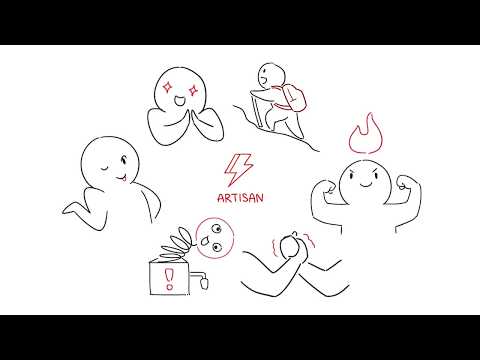
- Artisans: They are spontaneous and love creativity. They’re the go-getters who thrive on excitement.
- Guardians: These folks are reliable and dutiful. They value tradition and structure.
- Idealists: Known for their empathy, they strive for harmony and are often idealistic in their views.
- Rationals: They’re logical and strategic thinkers who enjoy analyzing complex systems.
This tool is not just fun; it’s also super useful in various settings, especially mental health. You see, when you understand your temperament type—like, if you’re more of an Artisan or a Guardian—you can grasp why you might struggle in certain situations or relationships.
Think about this: maybe you’re an Idealist who’s always trying to connect emotionally with others but feels drained by more pragmatic personalities like Guardians—who might prioritize rules over feelings. Recognizing these differences helps you navigate those interactions better.
Another thing to consider is how this knowledge plays into therapy. When a therapist understands your personality type from the Keirsey Temperament Sorter, they can tailor their approach specifically for you. If you’re an Artisan needing more creative outlets during therapy sessions, they might incorporate activities that engage that part of your identity.
Also, it’s important to note that while the Keirsey tool provides useful insights, it’s not about putting people in boxes. We’re all unique combinations of traits! So don’t get too caught up if your results seem a bit off at times—it’s part of being human.
In essence, using the Keirsey Temperament Sorter can help improve self-awareness and communication skills. Whether you’re working through personal issues or trying to foster better relationships at work or home, knowing your temperament type can provide clarity.
So yeah, it’s really all about unlocking those deeper insights into yourself and others around you!
Exploring the Four Types of Keirsey Sorters: Understanding Personality Patterns
The Keirsey Temperament Sorter is a pretty neat tool for understanding personality patterns. It sorts people into four main types—like, how cool is that? Each type helps paint a picture of who you are and how you interact with the world. Basically, it’s all about categorizing your natural behaviors and preferences. Let’s break it down.
1. Guardians
Guardians are responsible and dependable. They’re the ones who keep things organized and make sure everything runs smoothly. You might know a Guardian who loves planning and sticking to routines—seriously, they can get uncomfortable when things go off-script! They have this strong sense of duty, which makes them fantastic in roles that require reliability.
2. Artisans
Now, Artisans are all about action and spontaneity. These folks thrive on creativity and love living in the moment. Think of that friend who’s always ready for an adventure or trying out new hobbies on a whim. They often excel in areas like art or performance because they can think outside the box—and let’s face it, their energy is contagious!
3. Rationals
Next up are Rationals, aka the analytical thinkers. They’re always looking for ways to improve systems or solve complex problems—like those puzzle-solving geniuses we all admire but maybe can’t relate to? Rationals tend to value logic over emotion, so if you’ve got someone in your life who thrives on facts, statistics, and theories, there’s a good chance they fall into this category.
4. Idealists
Lastly, we have Idealists, the empathetic souls of the group. These individuals are driven by values and emotions—they seek harmony in relationships and really care about personal growth (think yoga retreats!). They often champion causes, wanting to make the world a better place not just for themselves but for everyone around them.
So why does this matter for mental health? Well, understanding these patterns can help you navigate your relationships better—whether with friends or colleagues! It gives you insight into how others tick and why they react in certain ways during emotional situations.
In real-world scenarios, let’s say you’re facing a conflict at work with someone who has a very different personality type than yours (you know how it goes). Maybe you’re an Artisan who loves spontaneity while they’re a Guardian focused on rules and consistency—it could feel like two ships passing in the night! Recognizing these differences might help ease tensions because now you both understand where you’re coming from.
The Keirsey Temperament Sorter isn’t just some random quiz; it’s an enlightening way to explore yourself and those around you more deeply! By embracing these personality patterns, you’re more equipped to communicate effectively with others while also nurturing your own mental health journey.
Understanding Keirsey’s Definition of Temperament in Psychology: A Comprehensive Guide
Alright, let’s break down Keirsey’s definition of temperament in psychology. It all starts with the idea that we each have a set of core characteristics that shape the way we interact with the world. These are called temperaments. Basically, it’s like a personality blueprint, you know?
So, Keirsey organized temperaments into four main types: Guardian, Artisan, Idealist, and Rational. Each one has its own vibe and way of approaching life.
- Guardians: They’re all about stability and order. Think of someone who really values responsibility and likes to follow rules. They often take charge in practical matters—like a teacher organizing a classroom.
- Artisans: These folks are spontaneous and enjoy hands-on experiences. They thrive on excitement and change. Picture an artist or a rock musician—they’re often driven by impulse and creativity.
- Idealists: They’re focused on personal growth and connection with others. They’re your empathetic friends who care deeply about relationships—think of someone who goes out of their way to support their loved ones.
- Rationals: These individuals are analytical and love tackling complex problems. Imagine an inventor working on a groundbreaking tech project; they tend to be logical thinkers who appreciate knowledge above all.
Now, understanding your temperament can help you navigate your mental health better. For example, if you realize you’re more of an Idealist, you might find that stress comes from not having enough deep connections in your life.
And here’s where the Keirsey Temperament Sorter steps in—it’s like a personality quiz designed to pinpoint where you fit among these categories. If you get caught up in the results, it might give you insight into your thought patterns or emotional triggers.
But here’s something crucial: none of this is set in stone! Temperaments can highlight tendencies but don’t box you into one category forever.
When it comes to mental health, knowing your temperament can also strengthen communication with therapists or loved ones. Say you’re an Artisan; being aware of your impulsive nature could lead to discussions about managing spontaneity when planning life choices or handling relationships.
In short, Keirsey’s work helps shed light on how innate traits shape our lives—not just personality but emotional responses too. Recognizing this can be pretty liberating; it allows for growth while embracing who we truly are! So remember, whether you’re a Guardian looking for structure or an Idealist chasing meaning, there’s value in understanding your inherent ways of being!
So, you know how sometimes you just click with certain people? Like, you can just vibe, and everything feels easy? That’s kinda where the Keirsey Temperament Sorter comes in. It’s this tool designed to help us understand our personalities better. It splits folks into four main temperaments: Artisan, Guardian, Idealist, and Rational. Each one has its own quirks and styles, which can really shine a light on how we relate to the world and each other.
I remember chatting with a friend who took the sorter. She was an Idealist—super empathetic, always trying to mend fences when there was drama. Understanding that about herself helped her see why she often felt so drained in group settings—being surrounded by too much negativity just wore her out! It’s wild how such a simple test can pull back the curtain on your emotional landscape.
Now imagine someone else who’s a Guardian type. They might thrive on structure and stability; they’re often the ones organizing events or keeping things running smoothly at work or home. Knowing their temperament could help them acknowledge their need for predictability while also reminding them it’s okay to let loose every once in a while.
But here’s the thing: while the Keirsey Temperament Sorter can be super helpful in understanding ourselves and others, it’s not a magic fix for mental health struggles. It won’t diagnose anxiety or depression—those things are way more complex. Still, understanding where we fit can bring some clarity when emotions get all tangled up.
In therapy or self-reflection sessions, knowing your temperament might even make it easier to communicate what you’re feeling or needing from others. Plus, being aware of different temperaments helps create empathy when you’re bumping heads with someone who thinks differently than you do.
The bottom line is that using something like the Keirsey Temperament Sorter can add depth to your self-awareness toolkit but be sure not to box yourself—or anyone else—for that matter—into neat little categories. The mind is super intricate; we’ve got layers upon layers of experiences that shape us into who we are today. And honestly? Sometimes those layers are messy—and that’s totally okay!