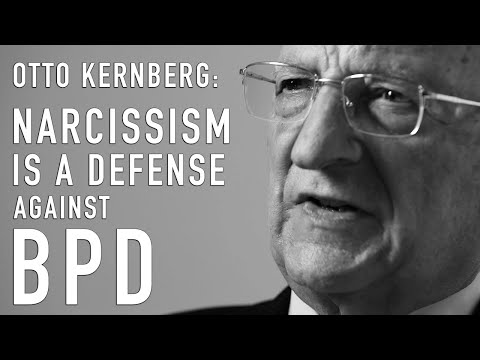
You know, sometimes we hear terms like «borderline personality» and just kinda cringe, right? It sounds heavy, like something serious and confusing. But honestly, it’s more common than you think.
Ever felt like your emotions are on a rollercoaster? Up one minute, down the next? That’s a bit what it’s like for folks dealing with borderline personality issues. It’s tough out there.
Now, Carl Kernberg? He’s this brilliant mind who dove deep into understanding all that chaos. His ideas about therapy really help people navigate those intense feelings. Imagine unpacking all that baggage with someone who truly gets it.
So, let’s chat about his approach to psychotherapy and how it can make a real difference. Sound good?
Understanding Kernberg’s Borderline Personality Structure: Key Concepts and Insights
Understanding Kernberg’s Borderline Personality Structure is a bit like peeking into someone’s mind when things feel super complex. You know how some folks have emotional ups and downs that seem totally overwhelming? That’s kind of at the heart of what Otto Kernberg has explored in his work on borderline personality organization.
Kernberg describes **borderline personality structure** as a developmental stage where the person struggles with identity and emotional regulation. Basically, it’s like standing on shaky ground, constantly feeling pulled between extremes of good and bad. This black-and-white thinking can make relationships feel intense or chaotic.
Key Concepts:
- Object Relations Theory: Kernberg’s idea centers around how we internalize our relationships with others. It’s about how we form mental images or «objects» of ourselves and others based on our experiences.
- Splitting: You can think of splitting as holding onto only one part of someone at a time. One minute, they’re amazing; the next, they’re awful. This makes it tough to see people as whole beings.
- Affect Regulation: For those with borderline traits, feelings can be like roller coasters—super high one moment and crashing down the next. They often struggle to manage these intense emotions.
- Identity Disturbance: People might feel unsure about who they really are or what they want. It’s not just teenage angst; it can be a persistent struggle throughout life.
- Fear of Abandonment: There’s this deep-rooted fear that people will leave them, which can lead to clinginess or an urge to push others away before getting hurt.
You might see someone with borderline traits go through relationships like they’re flipping through channels on TV—never quite settling in one place for long before feeling an urge to switch things up again.
Kernberg believed that understanding these concepts helps in therapy, especially in terms of building a stable sense of self. When you get what drives those emotional swings and relationship challenges, you can work towards more integrated ways of viewing yourself and others.
A little story: imagine Sarah, who feels super happy being around her friends one day but then suddenly thinks they’re all talking behind her back the next day. She swings from feeling loved to convinced she’s being abandoned—all because she struggles with seeing things in shades of gray instead of just black or white. Recognizing this pattern could lead her towards finding healthier ways to navigate her feelings.
In therapy settings influenced by Kernberg’s ideas, therapists often aim for something called **transference interpretation**, which is basically helping patients realize how their past affects their present feelings toward their therapist—and really anyone else in their lives too! The goal is to build trust over time so they don’t feel thrown off balance every time something goes wrong.
So yeah, exploring Kernberg’s insights helps peel back the layers on what it means when someone grapples with borderline personality features—it’s not all doom and gloom! With understanding comes the opportunity for growth and healing—little by little.
Understanding Borderline Personality Organization: A Comprehensive Guide to Kernberg’s Theories (PDF Download)
Alright, let’s get into Kernberg’s theories on Borderline Personality Organization. This stuff can be a little dense, but I’ll break it down for you in a way that makes sense.
What is Borderline Personality Organization (BPO)?
So, BPO is kind of like a framework that helps us understand certain patterns of thinking and behavior in folks who struggle with emotional regulation, self-image, and interpersonal relationships. People with BPO often have intense emotions, unstable self-concepts, and difficulty maintaining relationships.
Kernberg’s Background
Otto Kernberg is a psychoanalyst who really dove into understanding personality disorders. His work focuses on how these disorders—especially borderline—are more about the structure of personality rather than just symptoms. He looked at how people with BPO tend to see the world in black-and-white terms. It’s like they’re either amazing or terrible—there’s no middle ground.
Key Concepts of Kernberg’s Theories:
- Splitting: This is when someone can’t integrate positive and negative feelings about themselves or others. One moment they might idolize someone, and the next, they could completely devalue them.
- Lack of Object Constancy: This means that their sense of self and others can change dramatically based on current feelings. So if they’re upset right now, they might think you’re insensitive—even if you were supportive yesterday.
- Affective Instability: People with BPO often experience rapid changes in mood—like feeling super happy one minute and deeply sad the next without much warning.
- Impulsivity: This can lead to reckless behaviors or decisions made in the heat of the moment. It’s almost like an emotional rollercoaster that doesn’t stop!
The Therapeutic Approach
In therapy, especially psychodynamic approaches inspired by Kernberg’s work, therapists focus on helping clients process emotions without acting out impulsively or splitting. The goal is to develop a more integrated sense of self where all those conflicting feelings can coexist without causing chaos.
And here’s where it gets really interesting: Kernberg emphasizes the importance of developing a *therapeutic alliance*. That basically means building trust between the therapist and client so that emotional experiences can be explored safely.
Imagine sitting with your therapist talking about something really painful while knowing they won’t judge you—that space helps you make sense of your feelings instead of pushing them away.
Anecdote Time!
I once knew a person who had been through therapy based on Kernberg’s principles. They shared this moment where they suddenly realized their reactions weren’t necessarily about what was happening at that time but were linked to past traumas. It was like someone turned on the lights for them! Learning about their patterns changed how they interacted with friends and family—it wasn’t easy but definitely eye-opening!
In short, Kernberg’s theories help us understand those complex emotional landscapes better—allowing both clients and therapists to navigate these challenging waters together. There’s so much depth here that we could keep chatting for ages! But hopefully this gives you a solid overview without getting too tangled up in jargon.
Understanding Transference-Focused Psychotherapy: A Comprehensive Guide for Borderline Personality Disorder (PDF Download)
Transference-Focused Psychotherapy, or TFP, is a therapy model designed specifically for those struggling with Borderline Personality Disorder (BPD). Developed by Otto Kernberg, TFP focuses on understanding and working through the intense emotions and relationships that often characterize BPD. The whole idea is to help you gain clarity about your feelings and reactions, especially in the context of relationships.
What exactly is transference? Well, it’s basically when you project feelings about someone from your past onto someone in your present life. In therapy, this means you might see your therapist as a parental figure or an old friend. And guess what? That’s okay! It’s a normal part of the process and can reveal a lot about how you interact with others.
In TFP, your therapist will take a close look at these projections. They won’t just ignore what’s happening; instead, they’ll encourage you to talk about those feelings. The aim is to make sense of where they’re coming from and how they affect your current relationships—be it friendships or romantic ones.
Why is TFP especially useful for BPD? People with BPD often struggle with unstable self-image and intense emotional reactions. This leads to chaotic relationships that swing from idealization to devaluation. Here’s an example: one minute you might feel like someone is the best thing in your life; the next minute, you could see them as completely untrustworthy. TFP helps you unpack these swings by focusing on how those feelings play out in therapy.
Another key point of TFP is the therapist’s role. Your therapist isn’t just there to listen passively; they actively guide you through these emotions. They might reflect back what they observe or even challenge inaccurate perceptions. It can feel intense at times—like having a mirror held up to your thoughts—but it’s ultimately meant to help ground you.
A typical session in TFP has its own rhythm too. You might start by checking in on how you’ve felt during the week or any emotional highs and lows you’ve had since last time. As things progress, discussions may pivot toward what you’re feeling about the therapist or other significant people in your life—yeah, that’s that transference part I mentioned earlier!
TFP usually spans several months to years because real change takes time—so be prepared for a journey rather than a quick fix! The commitment can actually lead to long-lasting effects when it comes to managing emotions and fostering healthier relationships down the line.
And look, if you’re considering this approach or just curious about it for someone else who has BPD—it’s essential that whoever’s being treated finds a qualified therapist trained specifically in TFP practices. It’s super unique compared to other forms of therapy like CBT (Cognitive Behavioral Therapy), which focuses more on changing thought patterns directly rather than examining relational dynamics.
So yeah, understanding transference-focused psychotherapy means appreciating both its challenges and rewards. It’s all about digging deep into those emotional trenches with support while cultivating healthier patterns that can lead towards better self-awareness and interpersonal experiences!
Okay, so let’s chat about something that can be pretty intense: borderline personality disorder (BPD) and how Otto Kernberg tackled it in therapy. I mean, it’s not the easiest thing to wrap your head around, but it’s really important.
Kernberg, a big name in psychodynamic theory, had this way of looking at BPD that just makes a lot of sense. He believed that people with BPD often struggle with their sense of self and their relationships. Things can feel super chaotic, right? Like one minute you might feel on top of the world, and the next you’re in this deep pit of despair. It’s like emotional whiplash.
I remember chatting with a friend who was open about their own experiences with BPD. They described it as constantly walking on a tightrope between feeling loved and feeling abandoned. You know how sometimes it feels like the ground beneath you could just give way? That’s a lot like what they were going through. Kernberg’s therapy approached this by focusing on understanding these feelings in-depth—really digging deep to uncover those core beliefs that shape how someone thinks and feels.
One really interesting part of Kernberg’s work was his emphasis on transference. Basically, that means when someone projects feelings onto their therapist—like treating them as if they are an important figure from the past. This can happen a lot in therapy for folks with BPD because relationships can get tangled up real quick. But instead of seeing this as just a problem to fix, Kernberg thought it was gold for understanding what’s going on inside someone’s head.
The goal here is to help people gain insight into their emotional patterns and begin to build healthier ways to connect with others, which is no small feat! It takes courage, patience, and some serious vulnerability.
In therapy sessions based on Kernberg’s ideas, there might be moments where things get messy or even downright emotional—in fact, they probably will! But that’s part of the process; it’s all about diving into those emotions rather than steering clear of them like you’d avoid stepping in a puddle after it rains.
So yeah, if you or someone you know is dealing with borderline personality stuff—or just grappling with intense feelings—know that there are approaches out there that really aim for understanding and healing rather than just putting up Band-Aids on deeper wounds. The emotional journey can be tough but meaningful—and you don’t have to navigate it alone!