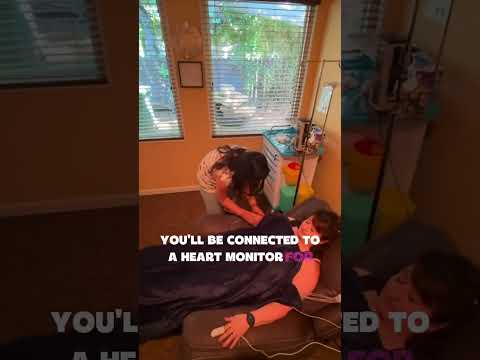
So, you know those days when just getting out of bed feels like climbing a mountain? Yeah, I’ve been there. Depression can be such a heavy weight. It’s like a thick fog that just won’t lift.
But there’s this thing happening lately called ketamine therapy. And it’s kind of revolutionizing the way some folks are dealing with their depression. Seriously, it’s wild how something so unexpected is giving new hope to people who’ve felt stuck for ages.
Imagine finding relief when nothing else has worked. That’s what ketamine therapy is doing for some people. It’s not your typical antidepressant, and that’s part of the intrigue.
Let’s chat about how this works and why it could be a game changer for mental health!
Exploring Innovative Treatments for Depression and Anxiety: Unlocking Hope for Mental Health
There’s been a lot of buzz lately about ketamine therapy as a new treatment option for depression and anxiety. And honestly, it’s hard not to get a little excited about it. We all know that traditional treatments can be hit or miss, right? You could be stuck in therapy or popping pills, and still feel like you’re just treading water.
So, what’s the deal with ketamine? Well, it all started when doctors noticed something interesting: patients receiving ketamine for chronic pain reported improvement in their mood. That got people thinking—could this anesthetic actually help with depression too? Turns out, yes!
Here’s how it generally works: ketamine is an NMDA receptor antagonist. Yeah, I know that sounds fancy and scientific! Basically, it blocks certain receptors in your brain that play a role in mood regulation. This leads to a quick surge of glutamate—an important neurotransmitter—opening up pathways for new brain connections. It’s like giving your brain a fresh start.
Now, let’s break down some key points about ketamine therapy:
But wait—here’s the catch: it’s not for everyone. Ketamine isn’t approved by the FDA for depression yet; it’s used off-label which means doctors prescribe it based on their judgment and emerging research findings.
I remember chatting with my friend Rachel who struggled with severe anxiety for years. She had tried everything from yoga to therapy—but nothing clicked until she heard about ketamine therapy at her local clinic. After just one session, she felt this incredible lightness she hadn’t felt in ages—it was almost surreal! That first taste of relief opened her up to pursue more holistic treatments.
Of course, there are some potential downsides too—you might experience side effects like dissociation (feeling disconnected from reality) or nausea right after treatment. That’s why having someone you trust nearby can be super helpful during those initial sessions.
It’s also essential to have ongoing support like therapy after ketamine treatments to help navigate any emotions that come up and develop coping mechanisms.
So yeah! Ketamine therapy isn’t the only option out there but it definitely represents a beacon of hope. If you’ve been feeling stuck in dark clouds of depression or anxiety—and traditional routes don’t seem to cut it—talking to your healthcare provider about innovative options like this could be worth exploring!
Exploring the Latest Breakthroughs in Depression Treatment: What Recent Research Reveals
Depression can feel like this heavy fog, making everything seem dull and gray. It’s tough, right? And traditional treatments like therapy and antidepressants help a lot of people, but they don’t always work quickly or effectively for everyone. Lately, though, there’s been some pretty interesting stuff happening in the world of depression treatment—like ketamine therapy.
What is Ketamine Therapy?
So, ketamine isn’t just some party drug from the ’90s. It’s actually been studied for its potential in treating depression. Originally used as an anesthetic, ketamine has a unique way of affecting the brain. Instead of working on the usual neurotransmitters you hear about, like serotonin or dopamine, it targets a different system altogether that influences mood and stress responses.
How Does it Work?
When you get ketamine through an IV or nasal spray, it works quickly—sometimes within hours! This is wild because most antidepressants take weeks to kick in. Ketamine’s action involves blocking NMDA receptors in the brain and increasing levels of glutamate, a neurotransmitter that helps with neuroplasticity—basically helping your brain to make new connections and improving its function over time.
Recent Research Insights
New studies are popping up all over about how effective ketamine can be. Some findings show that about 70% of patients experience relief from their depressive symptoms after just one treatment session! That’s huge compared to traditional treatments where success rates can be much lower initially.
But wait—there’s more! These effects can last longer than you might expect, too. Some people report feeling better for weeks after just one session, although many still require maintenance doses to keep those benefits going.
The Brain’s Resilience
Here’s something cool: researchers believe that ketamine helps stimulate something called synaptogenesis—you’re literally making new brain connections! Think about it: if your brain is constantly communicating better with itself, it might help you break out of those negative thought patterns that depression loves to latch on to.
Side Effects and Considerations
Now, let’s not sugarcoat things completely; ketamine isn’t without side effects. People have reported feeling weirdly dissociated during treatment or experiencing confusion afterward. These are usually temporary but still worth noting if you’re considering this path.
Also important? Ketamine therapy isn’t yet FDA-approved specifically for treating depression outside certain controlled environments (but that’s changing). So it’s essential to go through proper channels—a doc who knows what they’re doing is crucial here!
Anecdote Time
I once knew someone who had struggled with severe depression for years. Therapy wasn’t cutting it; neither were meds—they felt lost in the darkness. When they tried ketamine therapy at a specialized clinic, they described it as if someone flicked on a light switch inside them. “It was surreal,” they said. “I felt hope again.” That kind of experience really shows just how powerful this treatment can be for some folks.
In short? Ketamine therapy offers a **new hope** for people battling depression—especially those who haven’t found relief elsewhere. It’s not a magic bullet by any means—more research is needed—but it’s definitely shaking up how we think about treating this complex mental health condition.
Exploring Innovative Treatments for Treatment-Resistant Depression: A New Hope
So, let’s chat about something that’s been buzzing around in the mental health world: innovative treatments for treatment-resistant depression. You know, when traditional therapies or medications just don’t seem to do the trick? It can feel really hopeless. But here’s where new options like ketamine therapy come in.
Basically, ketamine is a medication that’s been around for a while, mainly as an anesthetic. But it turns out it has some pretty unique properties when it comes to mood disorders. People with treatment-resistant depression often find themselves stuck in this awful cycle of sadness and despair. That’s where ketamine might give them a much-needed breakthrough.
Ketamine works differently from traditional antidepressants. These regular meds usually take weeks to kick in, while ketamine can start working within hours! Imagine going from feeling like you’re in a deep pit to actually seeing light—so quickly. It’s really something.
- N-methyl-D-aspartate (NMDA) receptor antagonism: Ketamine blocks these receptors, which may essentially «reset» your brain’s chemistry!
- Glutamate surge: It increases glutamate levels—an important neurotransmitter—which can help grow new connections in your brain.
- Rapid relief: Many people report feeling better within hours compared to days or weeks with other treatments.
I remember reading about Sarah, who had battled severe depression for years. She’d tried everything—therapy sessions galore and all sorts of pills—but nothing worked long-term. After her first session with ketamine therapy, she felt lighter and more hopeful than she had in ages! It doesn’t work for everyone, but for some like Sarah, it’s revolutionary.
Now here’s the thing: while ketamine is showing promise, it isn’t a cure-all. Some folks might experience side effects like dissociation or nausea during treatment. But many clinics now offer these treatments under medical supervision, paying close attention to how each person responds.
A further twist in this tale is using sublingual or intranasal forms of ketamine. These methods are less invasive and can make the therapy more accessible and easier for some people. There’re also ongoing studies looking at how we can make these treatments even more effective by combining them with traditional therapies!
Certainly not every doctor is on board yet—it takes time for new methods to gain traction—but the hope surrounding this treatment is palpable. The mental health community is eager for any option that might ease suffering because let’s be real: people deserve relief!
Sooo yeah, while we’re still figuring things out with ketamine therapy and other innovative approaches for treatment-resistant depression, there’s hope on the horizon—for those who’ve felt like they’ve hit rock bottom without a ladder back up.
So, let’s chat about ketamine therapy. You might have heard of it popping up in conversations or even in headlines lately, and honestly? It’s kind of a big deal in the mental health world. I mean, we all know that depression can feel like this heavy fog that just won’t lift. For some folks, traditional treatments like antidepressants just don’t cut it. It can be super frustrating when you’re trying to feel better but nothing seems to work.
Now, here’s where ketamine comes in. Originally developed as an anesthetic, it’s being looked at in a new light for treating severe depression, especially when other options have failed. Some studies are showing that it can quickly ease symptoms, sometimes within hours! That’s like a breath of fresh air for someone who’s been stuck in the darkness for ages. Can you imagine feeling a little more light-hearted after just one session?
I remember talking to a friend who had been struggling with depression for years. She’d tried everything—therapy, different medications—you name it. One day she excitedly told me about how she was going to try ketamine therapy. There was this spark in her eyes that I hadn’t seen for so long! She went through with it and reported feeling this incredible shift. Not a total cure or anything, but just enough to see some hope peeking through the clouds.
But here’s the thing: ketamine therapy isn’t for everyone and it can be pretty intense. It’s not just popping a pill; the way it works involves complex brain chemistry stuff that isn’t totally understood yet. And there’s ongoing research about long-term effects too—nothing is ever really straightforward in mental health.
People might have mixed feelings about turning to something like this—a lot of stigma still exists around using psychedelics or anything outside the “normal” treatment avenues, right? But sometimes you’ve got to think outside the box if traditional methods leave you feeling lost and trapped.
In short? Ketamine therapy offers new hope for those weighed down by depression when other paths fall short. But it’s always worth having those open conversations with your doctor or therapist about what might work best for you personally because each journey is different!