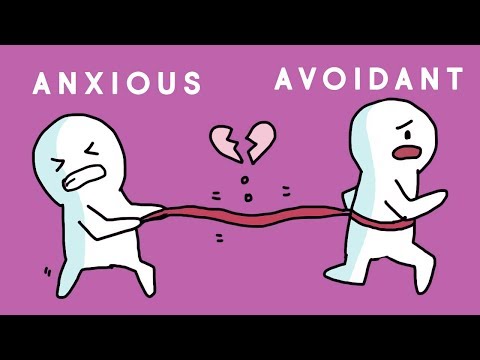
So, let’s chat about attachment styles. You know, those patterns we pick up in relationships? They can totally shape how we connect with others.
It’s wild when you think about it! Like, remember that time you realized why you get all anxious when someone doesn’t text back right away? That’s attachment stuff at play.
And honestly, it’s not just about love or dating. It spills over into friendships and family vibes too. Everything feels connected in this big web of relationships.
Curious yet? Well, hang tight, because we’re gonna dig into the different types of attachment styles and see how they impact our lives. You might just discover something new about yourself along the way!
Discover Your Attachment Style: Take the Ultimate Attachment Styles Test for Personal Growth
So, let’s talk about attachment styles. Ever felt super clingy in a relationship or maybe like you needed your space? Those feelings are not just random. They’re tied to your attachment style, which is basically how you connect with others, shaped a lot by your early experiences. Understanding these styles can seriously boost your personal growth.
There are four main types of attachment styles:
- Secure Attachment: If this is you, awesome! You feel comfortable getting close to others and trust them. You know how to communicate well and usually have healthy relationships.
- Avoidant Attachment: This style makes people feel like they need space. You might find it hard to rely on others or let them get too close emotionally. It’s kind of like putting up a wall.
- Anxious Attachment: People with this style often worry about their partner’s love and commitment. You might feel clingy or fear abandonment pretty intensely.
- Disorganized Attachment: This one can be tricky. It’s like a mash-up of avoidant and anxious traits. You may want closeness but also fear it, often leaving you confused in relationships.
One way to figure out your attachment style is by taking an attachment styles test. These tests usually involve questions about how you handle relationships, feelings, and trust levels. For instance, a question might be about how you react when someone cancels plans last minute—do you brush it off or panic?
You might wonder why knowing this stuff is even important. Well, understanding your attachment style lets you see patterns in how you relate to others. Maybe you’ve noticed yourself getting anxious when your partner doesn’t text back right away? That could point toward an anxious attachment style.
I remember a friend who struggled with feeling like nobody cared when things got tough in his relationship. Once he figured out he had an anxious attachment style, it clicked for him! He started working on his communication skills and learned that he could express his feelings instead of bottling them up.
Once you identify your attachment style, the next step is using that knowledge for personal growth—cool, right? It means recognizing triggers and patterns in yourself so that they don’t sabotage future relationships. For example:
- If you’re avoidant, maybe try letting someone in a little more to experience that connection.
- If you’re anxious, practice self-soothing techniques when those worries kick in.
The thing is: it’s all about progress—not perfection! Each step moves you closer to healthier relationships and better emotional well-being.
So yeah, the next time you’re feeling all sorts of confused in your love life or friendships, consider looking into those attachment styles! It could be the key to unlocking better connections with the people around you.
Understanding Attachment Styles: How They Influence Relationships and Mental Health
So, attachment styles are a big deal when it comes to understanding how we connect with others. They’re basically the blueprints for how we interact in relationships, shaped by early experiences with caregivers. Let’s break this down to see what they’re all about.
Attachment styles usually fall into four categories: secure, anxious, avoidant, and disorganized. Each one influences not just your relationships but also your mental health in different ways.
- Secure attachment: If you have a secure attachment style, you probably feel comfortable with intimacy and independence. You trust others easily and can communicate openly. This style leads to healthier relationships overall.
- Anxious attachment: Those with an anxious style often crave closeness but worry about their partner’s responsiveness. You might find yourself frequently seeking reassurance or feeling insecure in relationships. This can lead to higher levels of anxiety and stress.
- Avoidant attachment: Avoidant types tend to keep emotional distance from others. You might value independence over connection and find it hard to express feelings. This can lead to loneliness, even if you don’t want close ties.
- Disorganized attachment: This style is a mix of both anxious and avoidant traits. It often stems from inconsistent caregiving during childhood. People with this style can feel confused about intimacy; they might crave closeness but fear it at the same time, which creates lots of emotional turmoil.
Just think about a time when your friend needed help but pulled back because they weren’t sure if they could trust anyone. That’s classic avoidant behavior—pushing people away because connecting feels too risky.
These styles don’t just shape how you act in romantic relationships; they spill over into friendships and family bonds too. For instance, if you lean towards an anxious style, you might struggle more during conflicts or misunderstandings with friends or family members.
It’s super important to recognize these patterns since they affect your mental well-being as well. A securely attached person may find it easier to bounce back from stressors compared to someone with an anxious or disorganized style, who may feel overwhelmed by worries related to their connections.
If you notice these tendencies within yourself or those around you, that awareness can be the first step toward change! Therapy can help work through these styles, leading to healthier relationships and better mental health overall.
Just remember: understanding your attachment style isn’t about putting yourself in a box forever; it’s more like gaining insight into why you react the way you do in relationships, which is pretty powerful stuff!
Understanding Disorganized Attachment Style: Signs, Causes, and Impact on Relationships
Understanding Disorganized Attachment Style can be a bit tricky, but let’s break it down together. This attachment style is often tied to early relationships with primary caregivers. It’s like a mixed bag of confusion, fear, and love. You might feel really close to someone one moment, and then terrified or distant the next. Sounds overwhelming, right?
So, what are the signs of this disorganized attachment style? Well, you could notice some things in yourself or others:
- Inconsistent Behavior: One minute you want closeness; the next, you push people away.
- Fear of Relationships: You crave connection but also dread it. Relationships can feel like a double-edged sword.
- Difficulties with Emotional Regulation: It’s harder to control emotions—like getting really upset over little things or shutting down suddenly.
- Mistrust: You may have trust issues that mess with how you connect with others.
- Avoiding Intimacy: Although you want to be close to someone, real emotional intimacy might freak you out.
Now let’s chat about the causes of this kind of attachment style. It often stems from early childhood experiences. Think back—did your caregivers provide a stable environment? If they were unpredictable or even frightening at times, that can lead to confusing feelings about relationships later on.
Imagine being a kid who runs to a parent for comfort after falling and finding them angry or dismissive instead. This gives mixed signals: “Sometimes they’re there for me, but other times they aren’t safe.” That feeling can stick with you long into adulthood.
The impact on relationships? Oh man, it can be huge! Your love life might become like a roller coaster ride—lots of ups and downs but never quite stable. You could find yourself drawn to intense relationships that are both thrilling and scary at the same time.
For instance, let’s say you meet someone amazing. At first, everything feels great! But then doubts creep in: “What if they don’t love me as much as I think?” Suddenly you’re pulling away or acting out in ways that confuse both yourself and your partner.
This zig-zagging can lead to misunderstandings or even breakups because partners may feel rejected without knowing why you’re acting that way. It’s tough!
But there’s hope! Recognizing this pattern is the first step toward change. Therapy can help untangle those confusing feelings and provide healthier ways to connect with people around you.
So remember: understanding disorganized attachment style means acknowledging its roots in past experiences while working toward healthier relationships today. It’s not easy—but it’s definitely possible!
When you think about your relationships, have you ever noticed how some people just seem to connect effortlessly, while others struggle? That’s where attachment styles come in. They’re like blueprints for how we bond with others, shaped by our early experiences and connections.
Let’s chat about this a bit. You know those times when you feel super clingy or maybe a little distant with someone? Your attachment style might be whispering in your ear. There are four main styles: secure, anxious, avoidant, and disorganized. Each one tells a story about how you relate to love and connection.
For instance, thinking about a friend of mine—let’s call her Sarah. She’s always been the life of the party but tends to push people away when they get too close. I mean, she’s fun and vibrant, but there’s that wall she puts up! That sounds classic avoidant attachment. People with this style often fear intimacy and might feel overwhelmed by emotional closeness; so they keep their distance even when they crave connection.
On the flip side is the secure attachment style. You know that person who just knows how to make everyone feel safe? They’re usually pretty dependable in relationships. They communicate well and handle conflicts like pros—like my buddy Jake who seems chill no matter what happens.
Then there’s the anxious type who can be like a rollercoaster ride in connections! Have you seen someone constantly needing reassurance or feeling worried their partner might leave? That’s that anxious attachment at play—often rooted in not having consistent support growing up.
And finally, we have disorganized attachment which is a bit of a mix-up. It comes from chaotic environments during childhood where love and fear were intertwined. Imagine someone who craves closeness but also fears it—they’re caught in this confusing loop.
So yeah, understanding these styles can seriously change how we approach relationships. When Sarah finally realized her pattern was about pushing people away out of fear—not because she didn’t want them around—things started to shift for her, you know? She worked on opening up more and recognized that vulnerability wasn’t such a bad thing after all.
In essence, grasping your own attachment style helps peel back layers of behavior you may not even realized were there! It’s like putting on glasses for the first time; everything gets clearer—your reactions, your needs—and suddenly navigating relationships seems a little less daunting. So next time you’re trying to figure out why things feel off with someone close to you, think about those attachment styles at play!